Key Takeaways
- Modern water heaters come in several types, each with unique benefits and considerations.
- Energy efficiency varies among models, impacting long-term utility costs.
- Proper sizing and maintenance are essential for optimal performance.
Choosing the right water heater is crucial for ensuring comfort and efficiency in your home. With a variety of models and technologies available, understanding your options will help you find a system that fits your needs. Whether you’re upgrading an existing unit or installing a new one, knowing what to look for can save you time, money, and frustration. If you’re located in Markham, partnering with a trusted local expert for your Markham water heater installation ensures your new system is installed safely and efficiently.
Modern water heaters range from traditional tank units to cutting-edge tankless models and eco-friendly solar solutions. The right choice depends on your household’s hot water demands, available energy sources, and your goals for energy efficiency. By accounting for key factors such as energy ratings, capacity, and overall maintenance, you can maximize performance while minimizing long-term utility costs.
For many families, the best system is one that provides reliable hot water without resulting in high energy bills or frequent repairs. Evaluating both short- and long-term costs, as well as efficiency and environmental impact, can help you choose the product best suited to your lifestyle and budget.
Each type of water heater comes with its own unique set of benefits and considerations. By weighing these pros and cons carefully, you can invest in a system that keeps your home comfortable and your energy bills under control, now and for years to come.
Understanding Different Types of Water Heaters
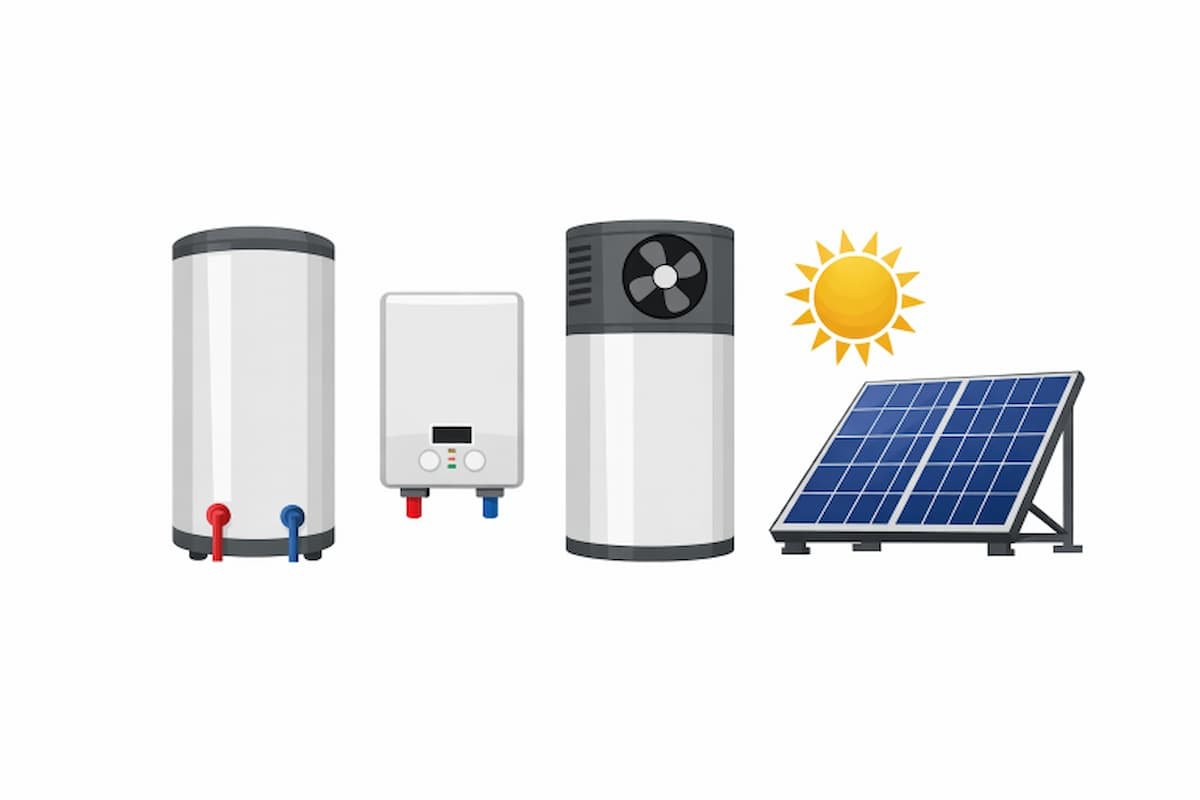
Water heaters are essential appliances that provide the hot water you need for everything from morning showers to dishwashing. While the market offers several options, the main types are storage tanks, tankless, heat pumps, and solar water heaters. According to the U.S. Department of Energy, proper selection and installation can significantly impact energy usage in your home.
Storage Tank Water Heaters
Storage tank water heaters are the traditional choice for many homeowners, featuring an insulated tank that stores hot water until it’s needed. Available in gas and electric models, these units typically have lower upfront costs but lose heat over time, even when not in use, known as standby heat loss. They come in a range of sizes to meet various household requirements.
Tankless (On-Demand) Water Heaters
Tankless water heaters deliver hot water only when you need it, heating water as it passes through the unit. Without a storage tank, there is no standby heat loss, making tankless systems more energy efficient for many households. They offer a continuous supply of hot water but may be limited in how much water they can heat at once, especially in larger homes.
Heat Pump (Hybrid) Water Heaters
Using heat drawn from the air or ground, heat pump water heaters are up to two to three times more efficient than conventional electric models. They operate most efficiently in warm environments and need more space for installation. These hybrid systems are prized for their low operating costs and environmentally friendly design.
Solar Water Heaters
Solar water heaters use rooftop solar panels to harness the sun’s energy, dramatically reducing energy bills and environmental impact. These systems often require a backup for cloudy days or high-demand periods, but can be an excellent long-term investment for those in sunny climates and are supported by several incentives and rebate programs. More info about solar solutions can be found on trusted resource sites such as energy.gov.
Factors to Consider When Choosing a Water Heater
Several important factors should guide your decision when choosing a water heater:
- Energy Efficiency: Prioritize models with higher Energy Factor (EF) or Uniform Energy Factor (UEF) ratings to minimize energy usage and reduce monthly bills.
- Size and Capacity: Ensure the water heater meets your family’s peak hourly hot-water demand without unnecessary waste.
- Fuel Type: Select gas, electric, hybrid, or solar models based on your local energy costs, infrastructure, and availability.
- Installation and Maintenance: Consider the complexity and costs of installing and maintaining the system over its lifespan.
Installation and Maintenance Tips
Proper installation and scheduled maintenance are essential to the efficiency, safety, and longevity of your water heater. Hiring a licensed professional ensures the installation is code-compliant and safe. Periodic tasks such as flushing sediment, checking the pressure relief valve, and inspecting or replacing the anode rod will help keep your water heater in top condition, avoid unnecessary repairs, and extend its useful life. For more detailed guidelines, Consumer Reports offers practical maintenance advice.
Cost Considerations
The upfront cost of a water heater varies by type and features. While more advanced models like tankless and hybrid systems often have higher purchase and installation costs, they can lead to substantial savings over the life of the unit due to greater energy efficiency. Be sure to factor in any available rebates, incentives, or tax credits in your area that can help reduce the actual investment needed for energy-efficient models.
Conclusion
Selecting the right water heater requires evaluating your household’s hot water consumption, energy efficiency objectives, and budget. By familiarizing yourself with the available technologies and weighing key considerations such as size, fuel type, and long-term operating costs, you can invest in a reliable system that delivers comfort and efficiency for years to come.