Choosing the right flooring material is a critical decision in home improvement and interior design. Durability often tops the list of considerations, especially for areas with high foot traffic. Two popular choices, Terrazzo and hardwood floors, each offer unique benefits that appeal to different tastes and needs. This article will explore the characteristics of each material, compare their durability, and discuss maintenance needs to help you make an informed decision.
Terrazzo Flooring: Characteristics and Composition
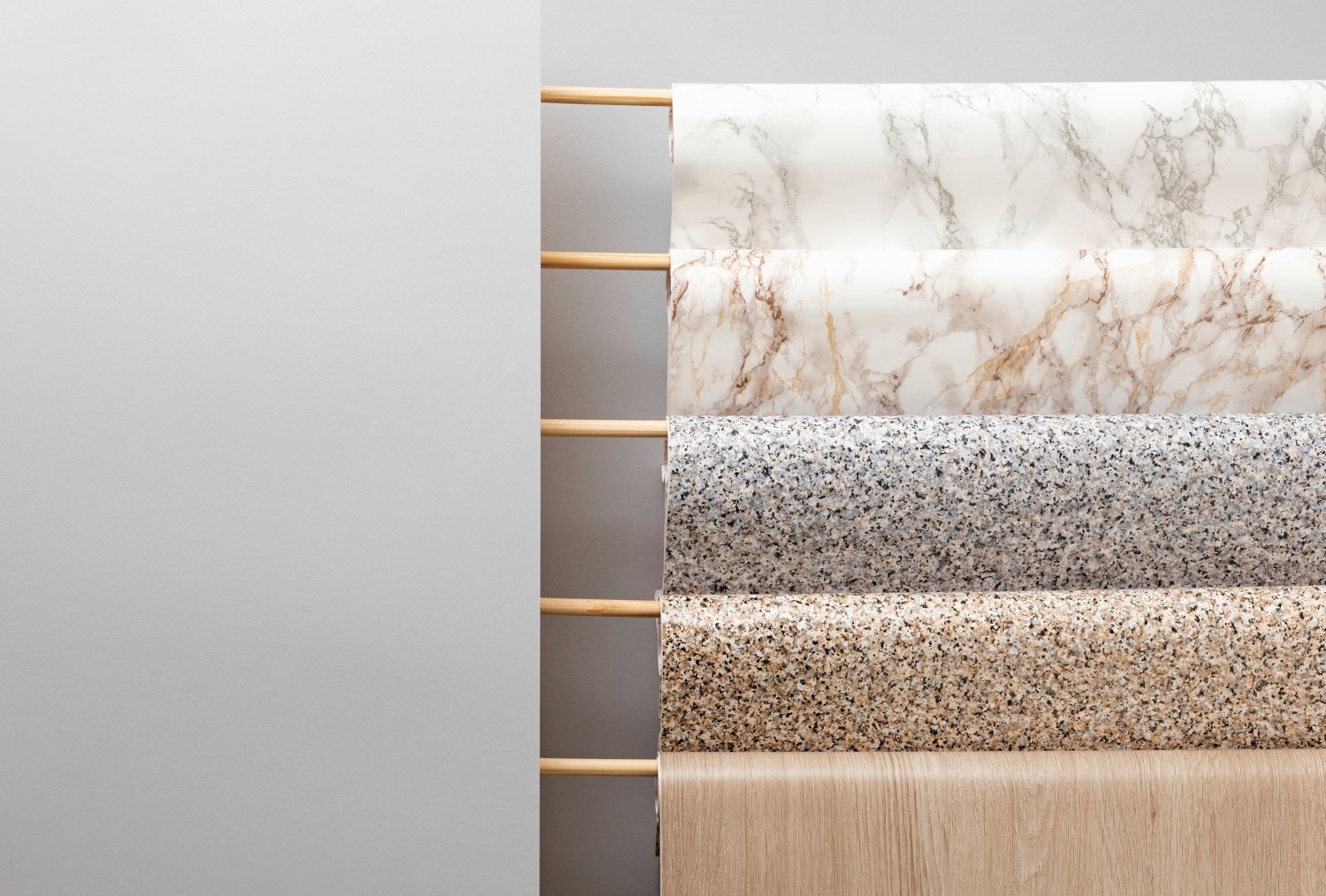
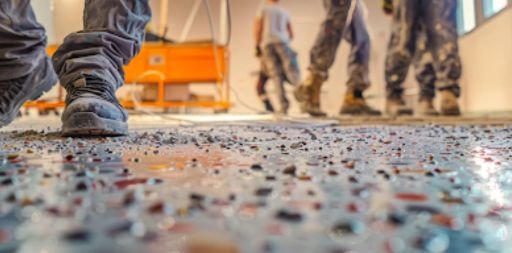 Terrazzo Flooring is a composite material made by embedding marble, quartz, granite, or glass chips in a cement or epoxy binder. This unique composition not only offers a wide range of color and design options but also contributes to its remarkable durability. The use of epoxy as a binder enhances the material’s resistance to cracks and stains, making it an ideal choice for high-traffic areas. Additionally, Terrazzo Floors are often used in sustainable building projects and can contribute to LEED Certification due to their long lifespan and eco-friendly materials.
The installation process of Terrazzo involves careful planning and skillful execution, often requiring a detailed site plan to ensure precision. Its surface, once polished, provides a sleek, seamless finish that is both aesthetically pleasing and functional. As a result, Terrazzo is frequently chosen for commercial spaces and is gaining popularity in residential settings.
For more information on the versatility of Terrazzo, you can explore the extensive collection of Terrazzo Floor options available, which showcase the material’s adaptability to various interior design styles.
Hardwood Flooring: Key Features and Varieties
Hardwood floors are renowned for their classic appeal and natural beauty. Available in various species such as oak, maple, and cherry, hardwood offers a warm ambiance that enhances any room. The construction of hardwood flooring involves milling solid wood planks, which can be finished with a variety of stains and textures to complement a wide range of interior designs.
The process of installing hardwood requires precision and attention to detail, often utilizing CAD (Computer-Aided Design) for precise measurements and cuts. Hardwood’s adaptability to different designs can be seen in its application in FF&E (Furniture, Fixtures, and Equipment), where it harmonizes with other design elements like millwork and lighting zoning to create cohesive interior spaces.
Despite its elegance, hardwood floors are susceptible to scratches and moisture damage, which can affect their durability over time. However, with proper maintenance, hardwood can last for decades, offering a timeless appeal that few other materials can match.
Durability Comparison: Terrazzo vs. Hardwood
When comparing the durability of Terrazzo and hardwood floors, several factors come into play, including resistance to daily wear, moisture, and temperature changes. Terrazzo’s composite nature makes it highly resistant to scratches, stains, and moisture, which can significantly prolong its lifespan. This makes it particularly suitable for areas prone to spills and heavy usage.
On the other hand, hardwood’s durability largely depends on the type of wood and the quality of its finish. While some hardwood species offer excellent durability, they can be vulnerable to water damage and require careful maintenance to prevent warping and discoloration. Hardwood’s ability to be refinished multiple times, however, means it can recover from surface damage and maintain its appearance over time.
In terms of resilience, Terrazzo generally outperforms hardwood, especially in high-traffic environments. Its seamless surface and resistance to moisture make it an excellent choice for kitchens and bathrooms, whereas hardwood may be better suited for areas where its warmth and elegance can be preserved.
Maintenance Considerations for Terrazzo and Hardwood Floors
Maintaining Terrazzo Floors involves routine cleaning with non-abrasive materials and periodic sealing to protect the surface from stains and wear. The use of acoustic panels can also help minimize noise, enhancing the overall comfort of spaces with Terrazzo Flooring. Homeowners should consider their lifestyle and the specific needs of their spaces when choosing between Terrazzo and hardwood.
Conversely, hardwood flooring requires more attentive care, including regular sweeping to prevent scratches and occasional refinishing to restore its original luster. Depending on the finish, cleaning may require specific products to avoid damaging the wood. Hardwood floors benefit from dry environments, and careful space planning can help mitigate potential damage from sunlight and humidity.
Both materials have their unique maintenance needs, and the choice ultimately depends on balancing aesthetic preferences with practical requirements.
Conclusion
 Both Terrazzo and hardwood floors offer distinct advantages in home improvement and interior design. Terrazzo provides unmatched durability and is ideal for high-traffic and moisture-prone areas, while hardwood exudes classic charm and warmth. Understanding the specific needs of your space and lifestyle will guide you in choosing the right flooring material, ensuring a long-lasting and beautiful home environment.