Comfort inside a home depends on consistent temperatures from room to room. However, many homeowners experience frustrating hot and cold spots that make certain areas uncomfortable throughout the year. Uneven indoor temperatures can affect energy efficiency, increase utility costs, and place unnecessary strain on HVAC equipment. Understanding the causes behind temperature imbalances is the first step toward creating a more comfortable, efficient, and healthy living environment.
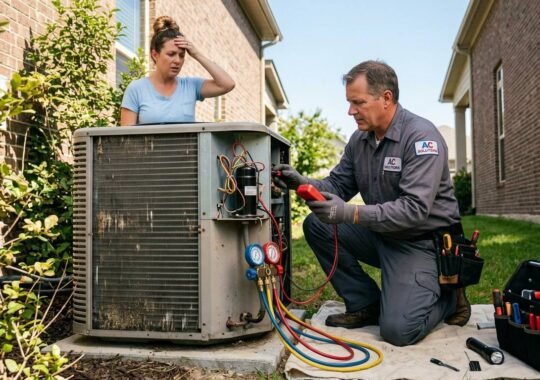
Many homeowners seek professional heating service after noticing that some rooms remain colder than others despite adjusting the thermostat. Uneven temperatures often indicate airflow restrictions, ductwork issues, insulation deficiencies, or HVAC system performance problems. Addressing these concerns promptly can improve comfort, reduce energy waste, and help heating and cooling systems operate more efficiently throughout every season.
Poor Airflow Is a Common Cause of Temperature Differences
Airflow plays a critical role in maintaining consistent indoor temperatures. When conditioned air cannot move freely throughout the home, certain rooms may receive too much airflow while others receive too little.
Common Airflow Restrictions
Blocked vents, dirty air filters, furniture placement, and clogged ductwork frequently contribute to uneven heating and cooling. Restricted airflow forces HVAC systems to work harder while reducing overall comfort. Even minor obstructions can significantly affect temperature distribution, particularly in larger homes or multi-story properties.
Poor airflow may also contribute to indoor air quality concerns by allowing dust and allergens to accumulate more easily within the system.
Ductwork Problems Can Create Hot and Cold Spots
The duct system distributes heated and cooled air throughout the home. When ducts become damaged or improperly designed, temperature inconsistencies often follow.
How Duct Issues Affect Comfort
Leaky ducts allow conditioned air to escape before reaching living spaces. Poorly sized ducts may also struggle to deliver balanced airflow. Over time, disconnected sections, crushed ducts, or insulation damage can worsen efficiency and reduce overall HVAC performance.
Many homeowners schedule heating service after discovering that certain rooms never reach the desired temperature. Professional inspections can identify hidden ductwork problems and restore proper airflow balance throughout the home.
Insufficient Insulation Reduces Temperature Consistency
Insulation serves as a barrier that helps regulate indoor temperatures. When insulation becomes damaged, compressed, or inadequate, heated and cooled air can escape more easily.
Areas Most Vulnerable to Heat Loss
Attics, crawl spaces, exterior walls, and basements are common areas where insulation deficiencies affect comfort. Homes with poor insulation often experience significant temperature differences between floors or rooms exposed to direct sunlight.
Improving insulation can increase energy efficiency while reducing heating and cooling demands year-round.
Thermostat Placement Can Influence HVAC Performance
The location of a thermostat has a direct impact on how heating and cooling systems operate. Improper placement may cause inaccurate temperature readings.
Common Thermostat Placement Issues
Thermostats installed near windows, exterior doors, direct sunlight, or heat-producing appliances may register temperatures that do not accurately represent overall household conditions. This can cause systems to cycle incorrectly, leaving certain areas warmer or cooler than intended.
Professional HVAC evaluations can determine whether thermostat relocation or recalibration may improve comfort.
Signs Your Home May Have Airflow Issues:
- Rooms that feel noticeably warmer or cooler
- Weak airflow from vents
- Uneven temperatures between floors
- Rising utility bills
- Frequent HVAC cycling
- Persistent comfort complaints
Recognizing these warning signs early can help prevent larger HVAC issues.
Multi-Story Homes Often Experience Temperature Imbalances
Homes with multiple levels frequently struggle with uneven temperatures because warm air naturally rises while cooler air settles lower.
Why Upper Floors Feel Warmer
During summer, upper floors often absorb more heat from the roof and attic. In winter, heated air rises and accumulates upstairs while lower levels remain cooler. Without proper zoning or airflow management, maintaining consistent temperatures can be challenging.
Solutions such as zoning systems, attic insulation improvements, and balanced airflow adjustments often help address these issues effectively.
Dirty HVAC Components Can Reduce Efficiency
Heating and cooling equipment requires regular maintenance to perform efficiently. Dirt accumulation inside the system can restrict airflow and reduce overall performance.
Components That Affect Temperature Balance
Dirty evaporator coils, blower motors, air filters, and ductwork can all contribute to uneven indoor temperatures. Reduced airflow often prevents conditioned air from reaching every room equally.
Routine HVAC maintenance improves efficiency, supports indoor air quality, and helps maintain consistent comfort throughout the home.
Incorrect HVAC System Sizing Can Cause Problems
An HVAC system that is too large or too small for a home may struggle to maintain balanced temperatures.
Why Proper Sizing Matters
Oversized systems often cycle on and off too quickly, preventing even temperature distribution. Undersized systems may run continuously without adequately heating or cooling every area. Professional load calculations help determine whether equipment size matches household needs.
Proper sizing supports energy efficiency, equipment longevity, and more reliable comfort.
Effective Solutions for Uneven Temperatures:
- Schedule regular HVAC maintenance
- Replace air filters regularly
- Seal duct leaks
- Improve attic insulation
- Install zoning systems
- Upgrade thermostats
These improvements can help create more balanced temperatures and lower energy consumption.
Smart Technology Can Improve Comfort Control
Modern HVAC technology offers advanced solutions for managing temperature differences throughout the home.
Benefits of Smart Home Integration
Smart thermostats, zoning controls, and automated airflow systems allow homeowners to adjust temperatures more precisely. Some systems can learn household habits and optimize heating and cooling schedules for improved comfort and efficiency.
These technologies often help reduce energy costs while maintaining more consistent indoor conditions.
Final Analysis
Uneven indoor temperatures are often caused by airflow restrictions, ductwork problems, insulation deficiencies, thermostat placement issues, or HVAC system inefficiencies. Addressing these factors early can improve comfort, reduce energy waste, and extend equipment lifespan. Professional heating service, regular HVAC maintenance, and targeted home improvements can help eliminate hot and cold spots while supporting better indoor air quality. By identifying the root cause and implementing effective solutions, homeowners can enjoy more consistent temperatures and a comfortable living environment throughout the year.