
Understanding Commercial Property Management and Its Scope
Commercial properties represent significant investments. Protecting and maximizing their value requires dedicated expertise. Effective property management is crucial for long-term success. It goes far beyond simple rent collection. It involves strategic oversight of every aspect of an asset.
This proactive approach is essential. It ensures operational efficiency. It also fosters positive tenant relationships. Studies show professional management can cut operating costs by up to 15%. It can also increase tenant retention by 20%.
In this comprehensive guide, we will explore the best practices. We will cover key areas. These include proactive maintenance and financial stewardship. We will also discuss tenant acquisition, retention, and legal compliance. Our goal is to equip you with the knowledge. This will help you safeguard and enhance your commercial real estate portfolio.
Commercial property management is the professional oversight of income-generating real estate assets. This encompasses a broad spectrum of properties, each with its unique operational demands and tenant needs. Unlike residential management, which primarily focuses on individual housing units, commercial property management deals with spaces designed for business operations.
The types of properties falling under this umbrella are diverse:
- Office Buildings: From single-tenant structures to multi-story corporate complexes, these require meticulous management of common areas, utilities, and tenant-specific build-outs.
- Industrial Facilities: Warehouses, distribution centers, and manufacturing plants often involve specialized infrastructure, robust security, and compliance with industrial regulations.
- Retail Centers: Shopping malls, strip centers, and standalone retail spaces demand strong tenant relations, marketing support, and careful management of shared amenities to attract and retain customers.
- Mixed-Use Developments: These complex properties integrate residential, commercial, and sometimes hospitality components, requiring a nuanced approach to management that balances diverse needs and regulations.
- Airports and Government Buildings: Public sector properties involve stringent security protocols, complex logistical coordination, and adherence to specific governmental standards.
- Medical Offices: Healthcare facilities require specialized maintenance for medical equipment, strict privacy compliance (like HIPAA), and environments designed for patient comfort and safety.
At its core, commercial property management is about asset preservation and enhancement. It ensures that the property not only maintains its current value but also appreciates over time through strategic improvements and efficient operations. This includes comprehensive risk management, safeguarding the asset against unforeseen events, and ensuring that any potential claims are handled efficiently. For instance, when significant damage occurs, having expert guidance for a property insurance claim can be invaluable in protecting the owner’s investment. This is where specialized services offering Property manager claim support become critical, ensuring that the complex process of insurance recovery is navigated effectively.
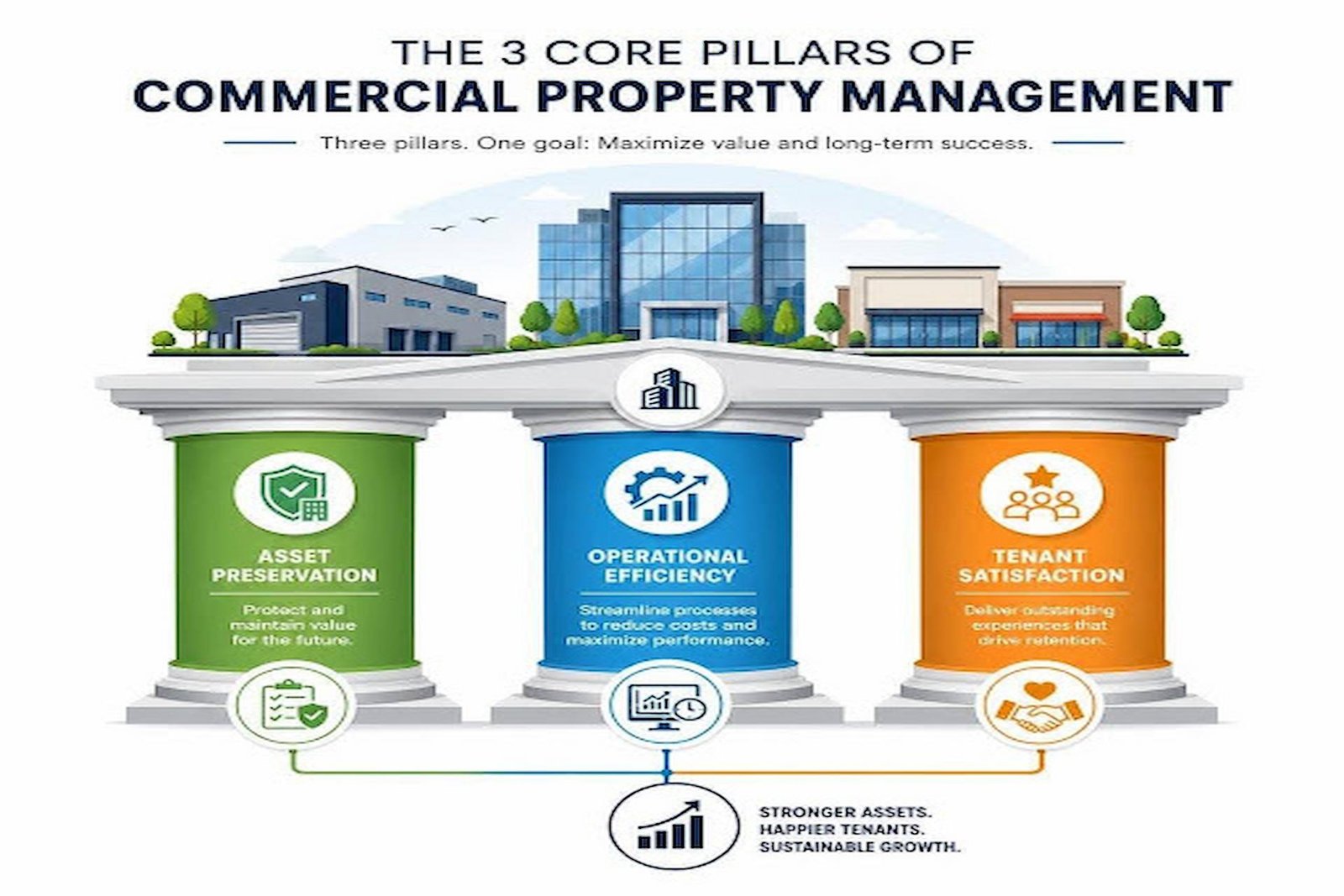
Effective commercial property management hinges on three core pillars: asset preservation, operational efficiency, and tenant satisfaction. These elements are interconnected, with success in one area often contributing to success in the others.
Key Differences: Commercial vs. Residential Property Management
While both commercial and residential property management involve overseeing real estate, the nuances in their operations are significant. Understanding these distinctions is crucial for property owners and managers alike.
- Clientele: Commercial properties cater to businesses, ranging from small startups to large corporations. Residential properties, conversely, serve individual tenants or families. This fundamental difference shapes everything from lease terms to tenant relations.
- Lease Complexity: Commercial leases are notoriously more intricate and lengthy than residential agreements. They often include detailed clauses on tenant improvements, common area maintenance (CAM) charges, rent escalations, use restrictions, and renewal options. The financial and legal stakes are considerably higher in commercial leasing.
- Financial Structures: Commercial properties involve more complex financial management. This includes detailed budgeting, sophisticated CAM reconciliations, and often, managing multiple income streams and expense categories. Residential properties typically have simpler rent collection and expense tracking.
- ESG Compliance: Environmental, Social, and Governance (ESG) considerations are increasingly critical in commercial property management. Regulations like NYC Local Law 97, for example, impose strict energy efficiency standards on commercial buildings. While residential properties have some environmental concerns, the scale and regulatory pressure for commercial properties are far greater, particularly concerning sustainability and green building practices.
- Maintenance Scale and Specialization: Maintenance in commercial properties can be highly specialized, involving complex HVAC systems, industrial machinery, and elaborate security infrastructures. Residential maintenance, while important, is generally less complex and specialized.
- On-Site Management: Many commercial properties, especially larger complexes, necessitate an on-site management presence to handle day-to-day operations, tenant needs, and emergency responses. This is less common in residential properties, which often rely on off-site managers.
The Multifaceted Role of a Commercial Property Manager
A commercial property manager wears many hats, acting as a steward of the asset, a liaison for tenants, and a financial strategist for owners. Their responsibilities are extensive and require a broad skill set:
- Tenant Relations and Management: This involves everything from initial communication and addressing concerns to implementing work order systems and fostering tenant retention through surveys and proactive engagement. Strong tenant relationships are vital for minimizing vacancies and ensuring stable income.
- Vendor Coordination and Oversight: Property managers are responsible for sourcing, negotiating, and overseeing contracts with a multitude of vendors, including cleaning services, security, landscaping, and specialized maintenance contractors. They ensure quality service while managing costs.
- Lease Administration: This critical function includes managing lease agreements, tracking critical dates (renewals, expirations), processing rent and invoices, and ensuring lease compliance by all parties.
- Financial Management and Reporting: Property managers handle budgeting, rent collection, expense tracking, and preparing comprehensive financial reports for owners. This can extend to more advanced accounting tasks, providing a clear picture of the property’s financial performance.
- Regulatory Compliance and Risk Management: Staying abreast of local, state, and federal regulations is paramount. This includes ensuring compliance with building codes, safety standards, environmental laws, and landlord-tenant legislation. They also implement risk mitigation strategies and manage insurance requirements.
- Capital Improvements and Project Management: Identifying opportunities for property enhancements, overseeing renovation projects, and managing tenant build-outs are key to increasing property value and attractiveness. This often involves bidding out projects, coordinating contractors, and ensuring projects are completed on time and within budget.
Proactive Maintenance Strategies for Commercial Property Management
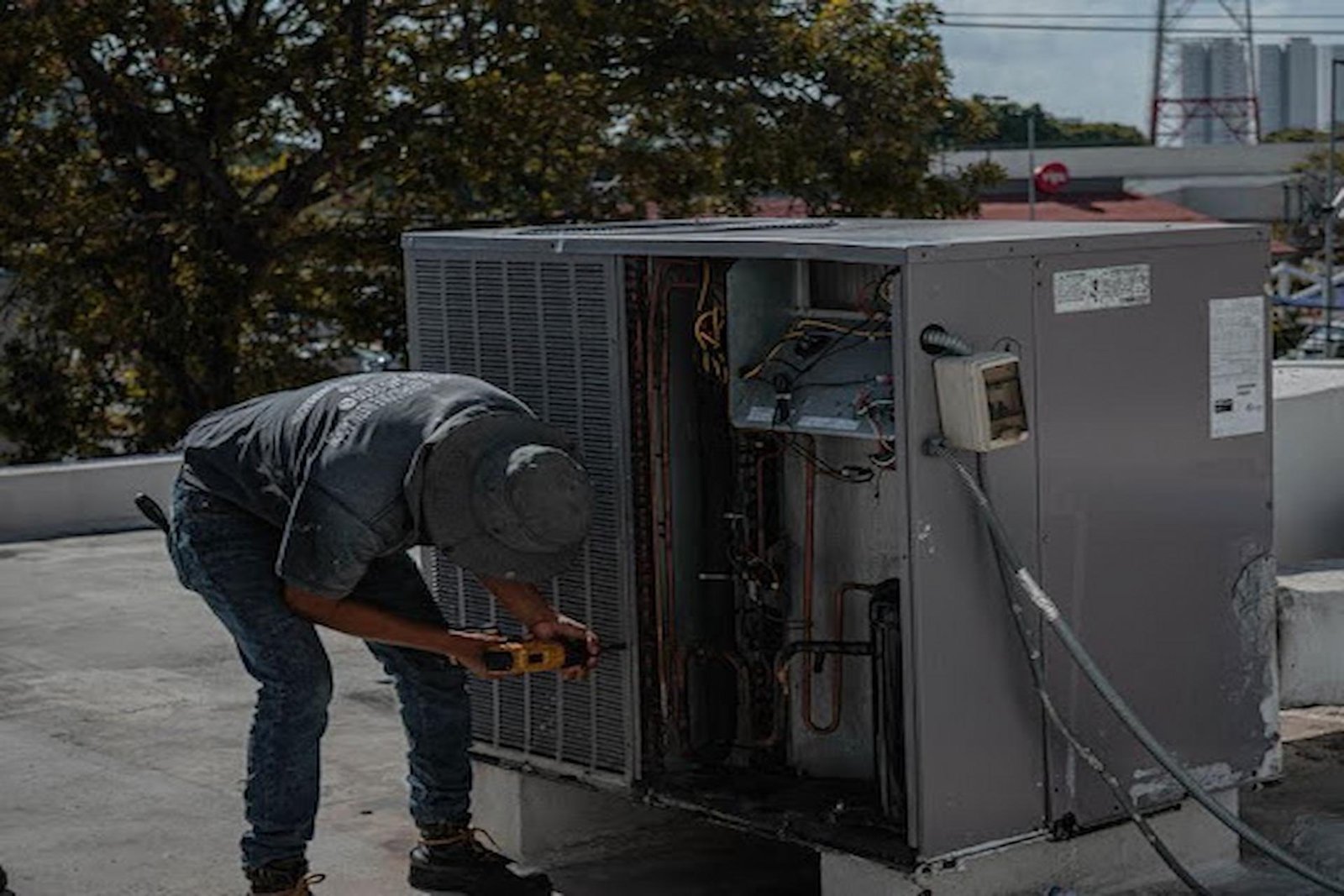
Proactive maintenance is the cornerstone of effective commercial property management. It’s about anticipating issues before they become costly problems, ensuring the longevity and optimal performance of the asset. We believe the best property management is proactive, not reactive, saving significant money in the long run.
Our approach integrates several key strategies:
- Preventive Maintenance Programs: Establishing regular, scheduled maintenance for all critical systems—HVAC, electrical, plumbing, roofing, and elevators—is essential. This minimizes unexpected breakdowns, extends equipment lifespan, and reduces emergency repair costs.
- Comprehensive Building Inspections: Routine inspections of the entire property, both interior and exterior, help identify potential issues early. This includes structural integrity, common areas, vacant spaces, and safety features.
- Life Safety Systems Management: Ensuring all fire suppression systems, alarms, emergency lighting, and exit routes are fully functional and compliant with codes is non-negotiable. Regular testing and certification are critical.
- Energy Efficiency Initiatives: Implementing energy-saving measures, such as LED lighting upgrades, smart thermostats, and efficient insulation, not only reduces operating costs but also enhances the property’s appeal to environmentally conscious tenants. Energy Star benchmarking and audits are valuable tools here.
- Emergency Response Planning: Having clear protocols for emergencies—fire, natural disaster, power outage—is vital. This includes communication plans, designated assembly points, and rapid response teams.
- Vendor Contract Management: Building relationships with multiple trusted vendors for each service allows for competitive bidding and ensures reliable, high-quality work. Regular review of annual contracts is a best practice.
Exterior Upkeep and Commercial Property Management Landscape Design
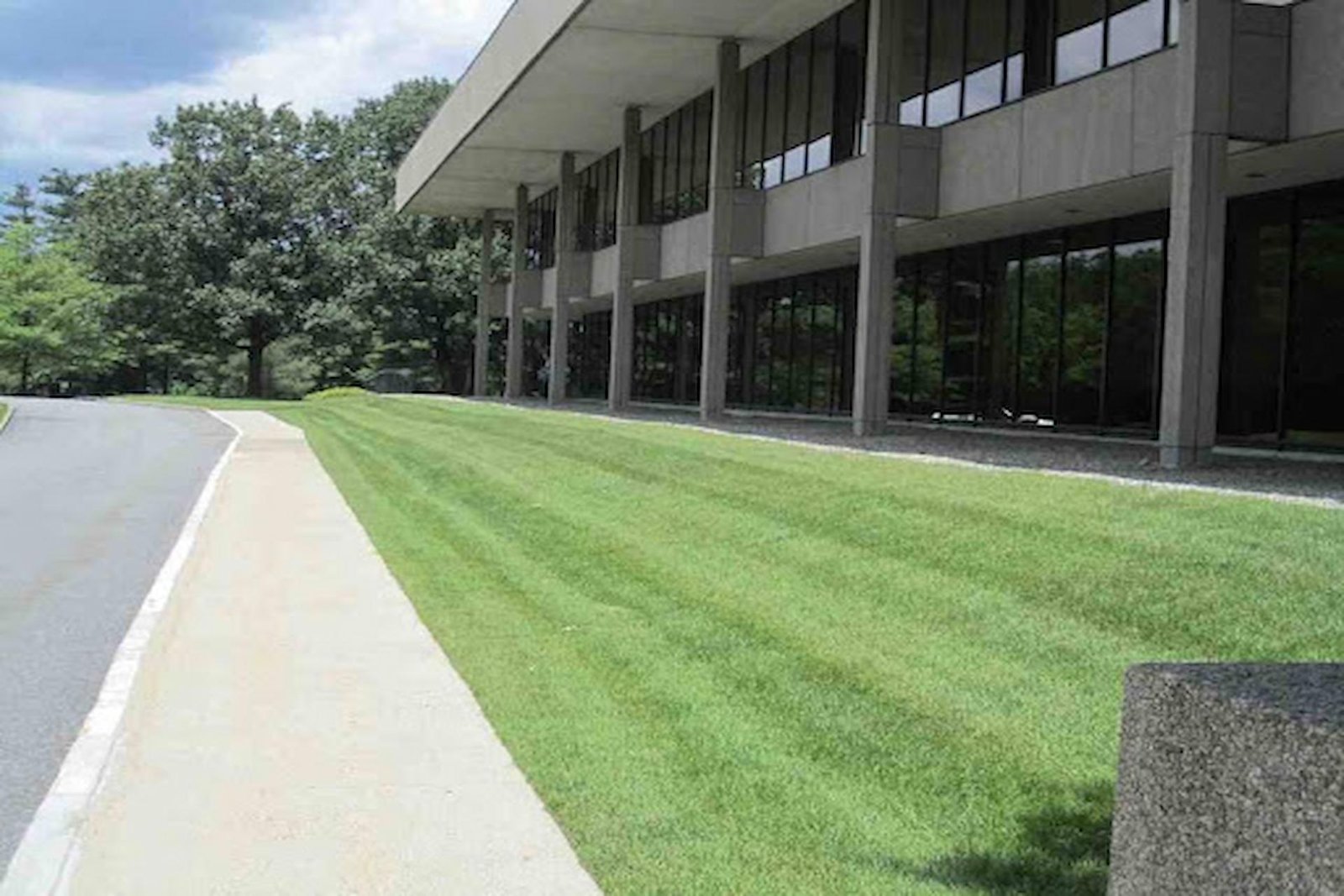
The exterior of a commercial property is its first impression. A well-maintained and aesthetically pleasing outdoor space enhances curb appeal, attracts tenants and customers, and contributes to overall property value. This goes beyond simple lawn care to encompass strategic landscape design and ongoing maintenance.
Our focus includes:
- Professional Landscape Maintenance: Regular mowing, pruning, weeding, and fertilization are fundamental. A manicured landscape signals professionalism and attention to detail.
- Strategic Landscape Design: Thoughtful design can improve traffic flow, enhance security, and create inviting outdoor spaces for tenants. For properties looking to optimize their outdoor areas, exploring Commercial property management backyard design can provide innovative solutions that boost functionality and aesthetic appeal.
- Efficient Irrigation Systems: Proper irrigation ensures plant health while minimizing water waste. Smart irrigation systems, which adjust based on weather conditions, are increasingly common.
- Snow and Ice Management: In colder climates, effective snow removal and de-icing are crucial for safety and accessibility, ensuring business continuity during winter months.
- Commercial Tree Care: Regular tree trimming and health assessments prevent hazards, enhance aesthetics, and contribute to the property’s ecological balance.
- Seasonal Color and Decor: Incorporating seasonal plantings and decorations can keep the property looking fresh and vibrant throughout the year, creating a welcoming environment.
Interior Systems and Structural Integrity
Beyond the visible aesthetics, the unseen interior systems and structural integrity are paramount to a commercial property’s functionality and safety. Proactive management in these areas prevents major disruptions and costly repairs.
Key areas of focus include:
- HVAC Systems: Regular inspections, filter changes, and preventative maintenance on heating, ventilation, and air conditioning systems ensure optimal climate control, energy efficiency, and indoor air quality.
- Electrical Grids: Routine checks of electrical panels, wiring, and lighting systems identify potential fire hazards and ensure reliable power supply for all tenants.
- Commercial Plumbing: Addressing leaks, clogs, and pipe issues promptly prevents water damage, mold growth, and disruptions to tenant operations.
- Elevator Modernization and Maintenance: For multi-story buildings, regular elevator inspections, maintenance, and periodic modernization are vital for safety, reliability, and compliance with accessibility standards.
- Roof Inspections and Maintenance: The roof is a critical protective barrier. Annual inspections and timely repairs prevent leaks, structural damage, and extend the roof’s lifespan.
- Structural Assessments: Periodic evaluations of the building’s foundation, walls, and other structural components ensure long-term stability and safety.
Financial Management and Lease Administration
Effective financial management and meticulous lease administration are the backbone of profitable commercial property ownership. These tasks ensure consistent cash flow, accurate reporting, and compliance with contractual obligations.
Our comprehensive approach covers:
- Budgeting and Forecasting: Developing detailed annual operating budgets, capital expenditure budgets, and cash flow projections provides a roadmap for financial performance and allows for proactive financial planning.
- Rent Collection and Arrears Management: Implementing efficient systems for timely rent collection, tracking payments, and professionally managing arrears minimizes revenue loss.
- CAM Reconciliations: Accurately calculating and reconciling Common Area Maintenance charges, and transparently communicating these to tenants, is crucial for financial integrity and tenant satisfaction.
- Expense Tracking and Optimization: Meticulous tracking of all operating expenses, identifying areas for cost savings, and negotiating favorable vendor contracts contribute to profitability.
- Tax Management: Maintaining accurate financial records, tracking deductible expenses, and liaising with tax professionals ensure compliance and optimize tax liabilities.
- Financial Reporting: Providing owners with clear, concise, and timely financial statements, including income statements, balance sheets, and variance analyses, empowers informed decision-making.
- Lease Administration: This involves the detailed management of all commercial lease agreements, including critical date monitoring (e.g., lease expirations, rent review dates), ensuring compliance with lease terms, and handling renewals and amendments.
Tenant Acquisition and Retention Best Practices
A commercial property’s success is directly tied to its occupancy rates and tenant longevity. Strategic tenant acquisition and robust retention programs are therefore paramount.
Our best practices include:
- Thorough Tenant Screening: Implementing a rigorous screening process, including financial background checks, credit assessments, and business references, ensures reliable and compatible tenants.
- Strategic Lease Negotiations: Crafting fair and competitive lease agreements that protect the owner’s interests while attracting quality tenants. This includes understanding market rates and future projections.
- Proactive Communication Protocols: Establishing clear and consistent communication channels with tenants, addressing inquiries and concerns promptly, fosters a positive landlord-tenant relationship.
- Efficient Work Order Systems: An easy-to-use system for tenants to report maintenance issues, coupled with a responsive resolution process, significantly enhances tenant satisfaction.
- Regular Tenant Surveys and Feedback: Actively soliciting feedback through surveys and face-to-face interactions helps gauge tenant sentiment, identify areas for improvement, and demonstrate a commitment to their needs.
- Tenant Retention Programs: Offering incentives for lease renewals, organizing tenant appreciation events, and providing value-added services can significantly increase retention rates. Properties with professional management often experience 20% higher tenant retention compared to self-managed properties.
Navigating Legal and Regulatory Compliance
The regulatory landscape for commercial properties is complex and ever-evolving. Ensuring legal and regulatory compliance is not just about avoiding penalties; it’s about mitigating risk, maintaining property value, and safeguarding the well-being of tenants and visitors.
Key areas of focus include:
- Landlord-Tenant Laws: Adhering to all local, state, and federal landlord-tenant statutes, including fair housing laws, eviction procedures, and lease agreement requirements.
- Building Codes and Safety Protocols: Ensuring the property meets all current building codes, fire safety regulations, and health standards. This includes regular inspections and necessary upgrades.
- Environmental Regulations: Compliance with environmental laws regarding waste disposal, hazardous materials, energy consumption, and water usage, particularly for properties with industrial or specialized operations.
- ADA Compliance: Ensuring the property is accessible to individuals with disabilities, in accordance with the Americans with Disabilities Act (ADA), including ramps, accessible restrooms, and parking.
- Risk Mitigation and Insurance: Implementing strategies to minimize potential liabilities, such as robust security systems, clear safety signage, and comprehensive insurance coverage tailored to the commercial property’s specific risks.
Leveraging Technology in Commercial Property Management
In the rapidly advancing digital age, technology is no longer a luxury but a necessity for efficient commercial property management. Investing in the right software and tools can significantly streamline operations, enhance decision-making, and improve tenant satisfaction. We find that commercial property management software can improve operational efficiency by 25-30% through automation.
Our approach to leveraging technology includes:
- Integrated Property Management Software: Platforms like Yardi, AppFolio, or Buildium provide comprehensive solutions for managing leases, tracking financials, processing work orders, and communicating with tenants from a single system.
- Automated Procurement Systems: Automating the procure-to-pay process, from vendor selection and purchase orders to electronic invoicing and payments, reduces administrative burden and improves cost control.
- Tenant Portals and Mobile Apps: Providing tenants with self-service portals allows them to pay rent, submit maintenance requests, access lease documents, and communicate with management, improving convenience and responsiveness.
- Real-Time Reporting and Analytics: Leveraging software to generate real-time financial reports, occupancy data, and maintenance metrics enables data-driven decision-making and proactive problem-solving.
- Smart Building Integration: Incorporating smart technologies like IoT sensors for energy management, predictive maintenance, and security systems can optimize building performance, reduce operating costs, and enhance tenant experience.
Frequently Asked Questions about Commercial Property Management
What is the global market outlook for commercial property management?
The global commercial property management market is experiencing robust growth. Valued at approximately $19.8 billion in 2023, it is projected to reach $32.4 billion by 2030, demonstrating a Compound Annual Growth Rate (CAGR) of 7.3%. This growth is driven by increasing urbanization, the complexity of commercial portfolios, and the rising demand for professional expertise to maximize asset value and operational efficiency.
How much do commercial property management services typically cost?
The cost of commercial property management services can vary widely based on several factors, including the property type, size, location, and the scope of services required. Generally, fees are structured in one of two ways:
- Percentage of Gross Income: This is the most common model, where managers charge a percentage (typically 4% to 10%) of the gross rental income collected.
- Flat Fee: Some managers charge a fixed monthly fee, which might be preferred for properties with very stable income or a predictable workload.
- Additional Fees: Owners may also incur charges for specific services like lease-up fees (for new tenants), project management fees for capital improvements, or administrative fees for specific tasks.
It’s crucial for property owners to thoroughly review the proposed management agreement to understand all fees and what services are included.
How do property managers handle tenant disputes in commercial spaces?
Tenant disputes in commercial properties can range from disagreements over common area usage to breaches of lease terms. Commercial property managers play a crucial role in resolving these issues efficiently and professionally:
- Mediation and Communication: They act as an impartial mediator, facilitating communication between parties to find a mutually agreeable solution.
- Lease Enforcement: Managers ensure that all parties adhere to the terms and conditions outlined in the lease agreement, which serves as the primary legal framework for resolving disputes.
- Documentation: Meticulous record-keeping of all communications, incidents, and attempts at resolution is essential, especially if legal action becomes necessary.
- Legal Counsel Liaison: For complex or unresolved disputes, property managers will often coordinate with legal professionals to ensure compliance with landlord-tenant laws and protect the owner’s interests, including handling eviction processes if required.
Conclusion
Protecting and maintaining commercial properties is a dynamic and intricate endeavor that demands a blend of expertise, foresight, and strategic execution. From the foundational understanding of diverse property types and their unique needs to the meticulous execution of proactive maintenance, financial stewardship, and legal compliance, every aspect contributes to the long-term success of the investment.
By embracing best practices in tenant relations, leveraging cutting-edge technology, and understanding the nuances of the commercial real estate market, property owners can safeguard their assets and unlock their full potential. The benefits of professional commercial property management are clear: reduced operating costs, higher tenant retention, and ultimately, enhanced property value. Partnering with a dedicated and experienced management team is not just an expense; it’s a strategic investment that yields significant returns, ensuring your commercial property thrives for years to come.