
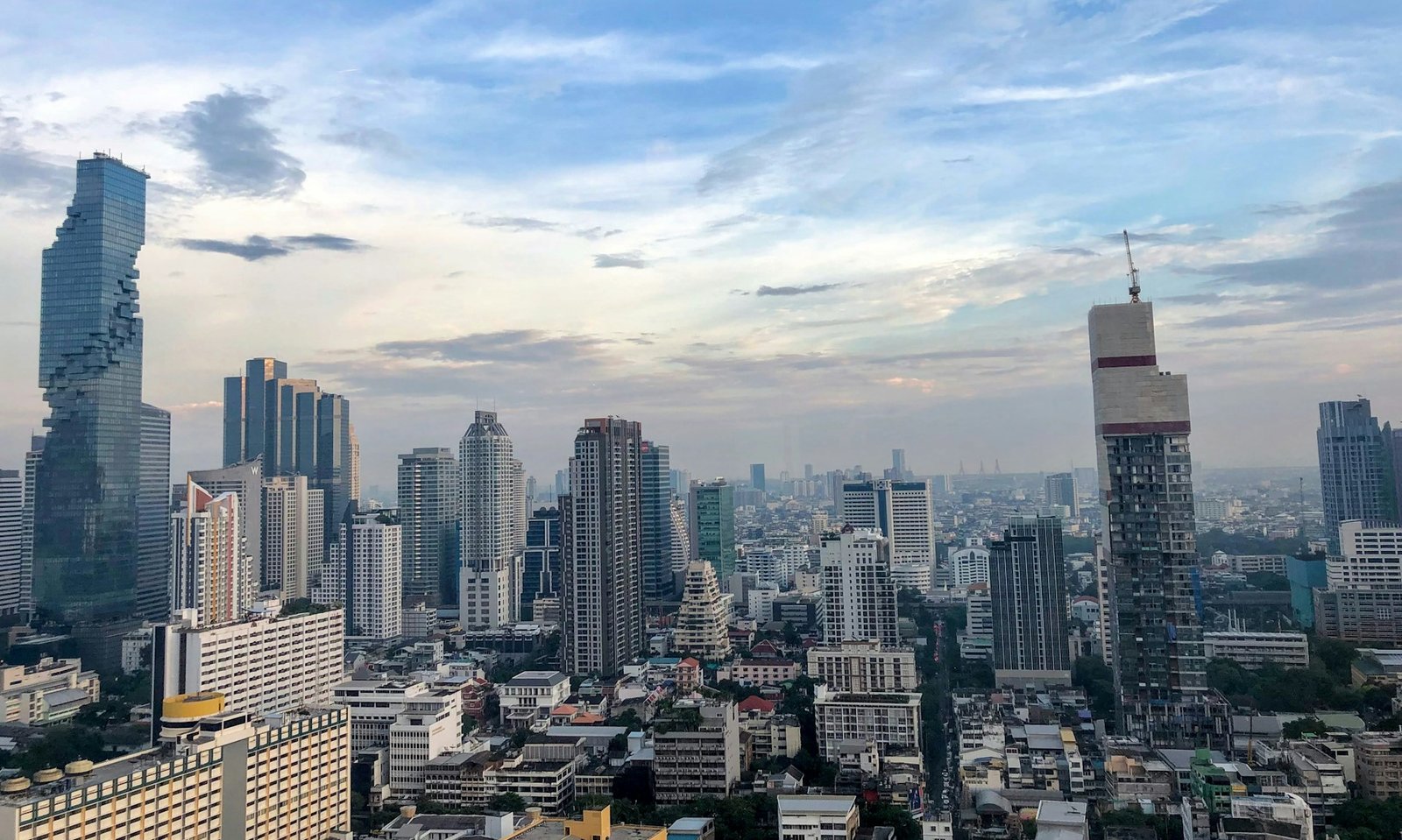
The global shift towards distributed workforces has fundamentally changed how companies operate. While remote setups offer flexibility, business leaders are increasingly recognising the need for physical connection. In fact, a recent Skift analysis found that 63 percent of professionals plan to travel more for business specifically to compensate for the lack of in-person collaboration caused by distributed work. As a result, the corporate retreats market is booming globally. Southeast Asia has emerged as a top choice for these gatherings, with Thailand recording a 42 percent increase in overseas MICE (Meetings, Incentives, Conferences, and Exhibitions) visitors during the 2024 fiscal year. With its extensive network of international flights and exceptional culinary scene, Bangkok provides an unparalleled backdrop for both work and leisure.
Securing the Right Venue and Tech Logistics
When planning an international event, the physical workspace is just as important as the leisure itinerary. Bangkok has proven its capability to handle massive corporate logistics, notably becoming the first Southeast Asian nation to host the 74th FIFA Congress in May 2024. For a mid-sized corporate group, the primary objective is finding a venue that seamlessly blends domestic comforts with high-speed connectivity. Securing a premium Bangkok hotel meeting room is a fundamental requirement, as it ensures your team has a professional, technologically supported environment for focused strategy sessions before they head out to explore the city. A dedicated space with ergonomic seating and natural lighting can significantly enhance concentration and productivity.
Outfitting your chosen venue with the right technology is the next crucial step. The physical space must bridge the gap between your in-person attendees and any stakeholders who could not make the trip. Equipping your space with smart presentation tools is essential for keeping attendees engaged and ensuring that complex ideas are communicated effectively. Features like interactive whiteboards, real-time polling, and cloud-based document sharing allow everyone to contribute equally. By utilising modern interactive software, facilitators can streamline their content creation process and foster seamless collaboration throughout the duration of the retreat.
The Measurable Value of In-Person Collaboration
Bringing a distributed team across the globe requires a significant financial and logistical investment, but the return on that investment is well documented. Face-to-face meetings build trust faster and facilitate deeper conversations than digital alternatives. Relying entirely on digital communication can inadvertently stifle creative problem-solving and long-term business growth. A recent study by MIT Sloan clearly quantifies the impact of face-to-face interactions on innovation. Researchers found that if 25 percent of office workers worked from home instead of the office, face-to-face meetings would fall by 17 percent, resulting in a measurable 5.2 percent drop in innovation based on patent citations.
To combat this decline, industry research indicates that over 70 percent of mid-size to large companies now host structured annual offsite retreats. By gathering in a dynamic city like Bangkok, executives can break their teams out of routine digital silos. A change of scenery not only boosts employee morale but also accelerates the kind of spontaneous knowledge sharing that simply cannot happen over a scheduled video call.
Essential Steps for a Successful Bangkok Itinerary
A successful corporate gathering goes beyond just booking flights and meeting spaces. Modern corporate travel heavily prioritises bleisure stays, where business objectives are carefully balanced with employee wellbeing. According to a 2026 Intellect Workplace Wellbeing report, presenteeism costs businesses an estimated $990 per employee monthly. This staggering figure has prompted companies to integrate wellness and mental health initiatives directly into their travel plans. Creating a balanced itinerary helps prevent exhaustion and ensures that employees return home feeling refreshed.
To ensure your retreat runs smoothly from start to finish, consider these vital planning steps:
- Manage Visa Requirements: Proper visa planning is essential for extended retreat programmes. Following stricter limits on visa-exempt entries implemented by the Thai Immigration Bureau in late 2025, companies should utilise the Destination Thailand Visa (DTV). Introduced in 2024, it allows attendees of cultural seminars and remote workers to stay in the country for up to 180 days per visit.
- Leverage Local Support: The Thailand Convention and Exhibition Bureau (TCEB) serves as a primary government-backed organisation. They provide strategic support, marketing, and ecosystem development for international corporate events, making it easier for foreign companies to navigate local logistics.
- Prioritise Mental Health: Follow the lead of the Tourism Authority of Thailand (TAT) and their recent wellness campaigns. Build plenty of downtime, cultural immersion, or nature-based team-building activities into your schedule to combat burnout and reduce presenteeism.
Organising a corporate retreat in Thailand’s capital requires careful attention to detail, from selecting the right technological setup to managing travel documentation. However, by prioritising face-to-face interaction and holistic employee wellbeing, business leaders can transform a simple overseas trip into a powerful catalyst for team cohesion. With its exceptional hospitality and robust infrastructure, Bangkok remains a premier destination for companies ready to revitalise their workforce.