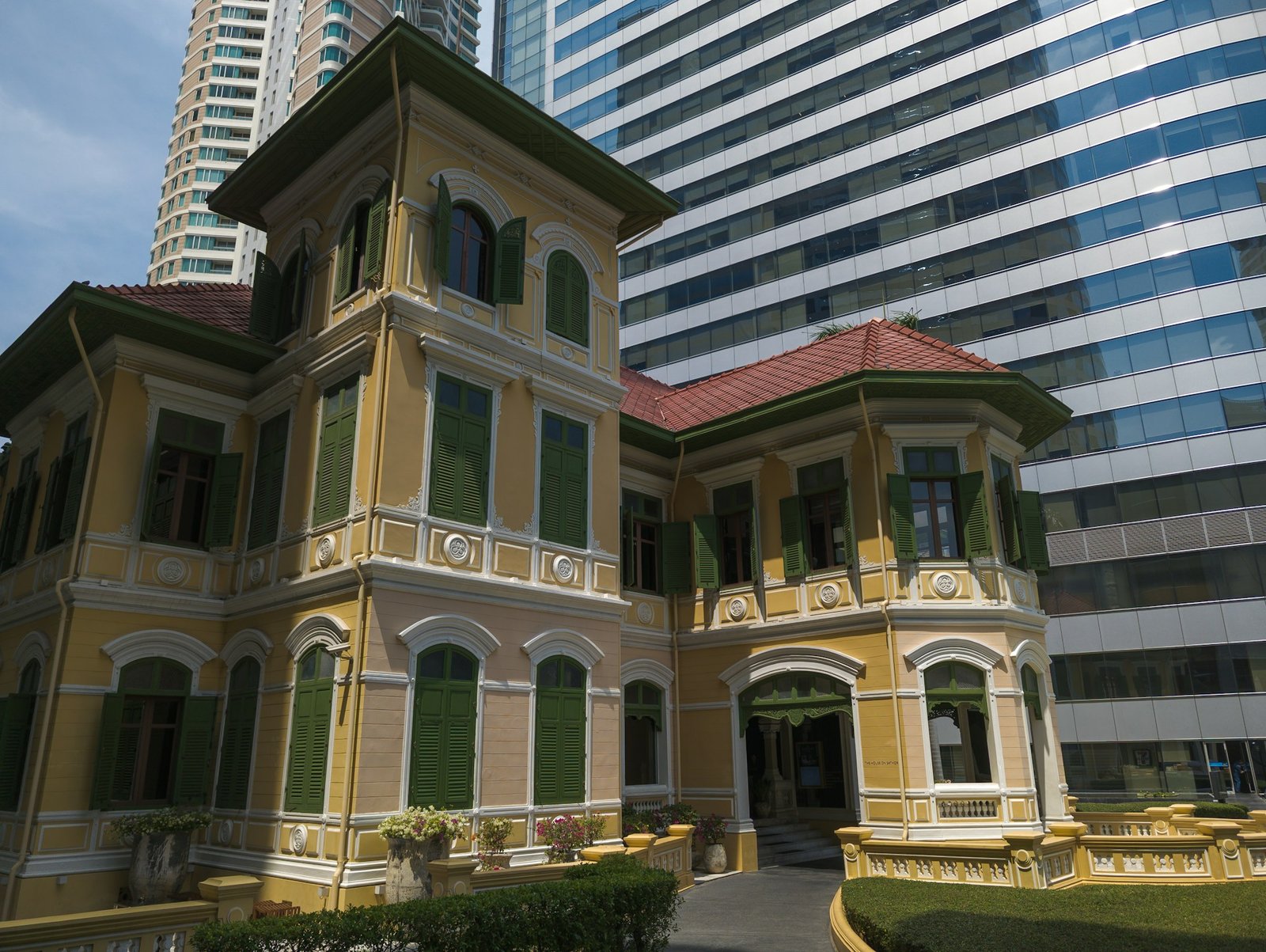
As the global economic landscape continues to evolve in 2026, high-net-worth individuals are increasingly looking beyond their borders to secure wealth and generate stable returns. Southeast Asia has emerged as a particularly compelling region, with Thailand standing out as a premier destination. Global investors are progressively viewing Bangkok’s top-tier property market as a regional safe haven for wealth preservation, frequently drawing favourable comparisons to established hubs like Singapore and Dubai, where entry prices have soared.
The Appeal of Premium Riverfront Properties
International purchasers demonstrate a strong preference for luxury real estate, with recent sales data showing the average foreign-bought condominium is often priced in the 10 to 20 million THB range. This is significantly higher than the domestic market average, reflecting a widespread desire for uncompromising quality and prime locations. A primary focal point for this investment is the Chao Phraya River, which boasts one of the highest concentrations of true luxury hotels and branded residences in Asia.
The 2026 opening of new ultra-luxury hospitality venues, alongside the continuous expansion of the ICONSIAM retail precinct, has further cemented the district’s elite status. For investors seeking luxury and high rental yields, prioritising a premium Riverside condo Bangkok development is a popular strategy. These developments offer rare freehold ownership in an exclusive zone where many competing properties are strictly long-term leaseholds, making them highly coveted assets for wealth preservation and capital growth.
Favourable Yields and Economic Drivers
Beyond the sheer prestige of luxury ownership, the numbers present a compelling case for Bangkok property. As of early 2026, Thailand’s overall average gross rental yield reached an attractive 6.49 percent. Gross rental yields specifically for Bangkok condominiums currently range between 4.5 and 6.0 percent. These figures remain highly competitive when compared to many traditional Western property markets, where high interest rates have heavily compressed yields. Furthermore, prime Bangkok districts have historically delivered steady capital appreciation averaging 3 to 5 percent annually.
This robust performance is heavily supported by the swift recovery and expansion of the nation’s tourism and hospitality sectors. Highlighting the correlation between a recovering economy and property demand, recent data from CBRE Thailand’s Q1 2026 figures reveals that the country welcomed over 9.3 million international arrivals in just the first quarter. This massive influx of international visitors sustains strong demand for premium rental properties and mixed-use real estate, providing landlords with a consistent pool of affluent tenants, expatriates, and corporate relocations.
Unmatched Lifestyle and World-Class Infrastructure
Another vital pillar supporting Bangkok’s real estate market is the city’s rapidly improving infrastructure and exceptional quality of life. The continued expansion of the BTS Skytrain and MRT subway networks has seamlessly connected previously isolated neighbourhoods, driving up land values and creating new investment hotspots along transit corridors. Investors are particularly drawn to areas that offer effortless connectivity to the central business district.
Simultaneously, the lifestyle offering in the Thai capital is virtually unrivalled in the region. Expatriates and international buyers are attracted to the world-class medical facilities, internationally accredited schools, and a vibrant culinary scene that includes numerous Michelin-starred restaurants. This unparalleled combination of modern convenience and rich cultural heritage ensures that Bangkok remains a top choice for those looking to relocate or secure a secondary residence.
A Transparent Legal Framework for Foreign Buyers
A significant factor driving international interest is the straightforward regulatory environment. Under the Thai Condominium Act, international buyers can secure full freehold ownership of condominium units. This makes it the most legally transparent and secure property asset class for foreigners in Thailand.
To successfully navigate the property acquisition process, international buyers should be aware of several critical regulations:
- Foreign Quota: International ownership is strictly capped at a maximum of 49 percent of the total saleable floor area within any single condominium building.
- Currency Remittance: Funds used by foreign nationals to purchase freehold condominiums must be legally remitted into Thailand as foreign currency.
- Documentation: The inward remittance generates a mandatory Foreign Exchange Transaction certificate, which is required by the Land Department to complete the property transfer.
- Financial Incentives: To support property buyers, the Bank of Thailand implemented temporary relaxations to loan-to-value regulations extending through mid-2026.
Diversifying Global Portfolios
For today’s globally minded investors, acquiring property in Southeast Asia is often part of a broader wealth strategy. Instead of tying all capital to a single domestic market, savvy buyers are building diversified global portfolios that balance emerging Asian hubs with other proven lifestyle destinations.
Ultimately, Bangkok offers a unique blend of lifestyle appeal, solid financial returns, and transparent ownership laws. With major infrastructure improvements and a booming tourism sector continuing to elevate property values in 2026, the Thai capital remains a vital fixture on the map for discerning international real estate investors looking to maximise their international holdings.