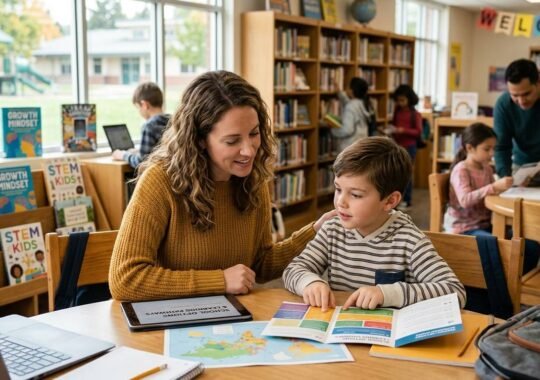

Elementary teaching is a career built on purpose, structure, energy, and constant interaction. If you have ever helped a child understand homework, listened to them read a favorite story, or answered an unexpected question, you already know how lively young learners can be. At this level, teaching is about much more than presenting lessons. It means helping children build academic skills, confidence, routines, and curiosity during some of their most formative years.
For people who want meaningful work and enjoy variety, elementary education can be a strong fit. Still, it is a demanding profession that requires more than simply liking children. A clear look at the role can help you decide whether it matches your abilities, interests, and long-term goals.
What the Role Requires
Elementary teachers handle many responsibilities throughout the school day. They are instructors, planners, motivators, leaders, and problem-solvers. In most public schools, entering the profession requires a bachelor’s degree, completion of a teacher preparation program, and state licensure.
Because requirements vary, it is important to review the elementary teacher qualifications in the state where you plan to work. If you are preparing for licensure, programs like Wilson College’s online education degrees are designed to help future educators build the knowledge and classroom experience needed while understanding that certification requirements differ by state.
Credentials, however, are only one part of the job. Teachers also need patience, since young children often need repetition, reassurance, and step-by-step instruction. Strong communication skills are essential because teachers interact with students, families, administrators, and coworkers every day. Flexibility matters as well. Even a carefully planned lesson can go off course, so teachers must adapt quickly while keeping the class moving.
A Typical School Day
An elementary teacher’s day often begins before students arrive. Early hours may include setting up materials, reviewing lessons, answering emails, and preparing the classroom. Once students enter, the pace usually becomes nonstop.
Most elementary teachers teach several subjects in one day, including reading, writing, math, science, and social studies. But academics are only part of the role. Teachers also guide students through routines such as lining up, sharing materials, working independently, and settling small conflicts with classmates.
Throughout instruction, attention shifts constantly. One student may need extra reading help, another may be confused by a math concept, and another may be distracted by something that happened at recess. Add lunch duty, planning periods, staff meetings, and communication with families, and the day fills quickly.
This environment can be intense, but it is rarely boring. For people who do well in fast-moving settings, an elementary classroom offers steady variety and energy.
Skills That Matter Most
Successful elementary teachers bring far more than subject knowledge. They tend to be organized, calm, supportive, and able to address issues before they grow. Organization is especially important because teachers manage schedules, supplies, lesson plans, student work, behavior records, and family communication all at once.
Creativity is another major strength. Young children often learn best when ideas are active, memorable, and easy to grasp. A visual aid, song, game, or hands-on activity can make a difficult concept understandable. Teachers who can explain the same idea in different ways are often better able to reach a wide range of learners.
Empathy also plays an important role. A student who seems disruptive or unfocused may actually be anxious, tired, or frustrated. Teachers who look beyond behavior and respond with support are often more effective than those who rely only on discipline.
Consistency and energy matter too. Children respond well to adults who create routines, follow through, and maintain a dependable classroom environment. That sense of stability often shapes the success of the entire class.
Collaboration is equally important. Elementary teachers regularly work with fellow educators, specialists, school counselors, and families to support student learning. Being able to share ideas, solve problems as a team, and communicate openly helps create a stronger learning environment for every child.
Why People Choose I
Many people enter elementary teaching because the work feels meaningful. Teachers witness major milestones, such as a child learning to read, solving a difficult problem, or gaining confidence in school. Those moments can make the effort feel deeply worthwhile.
Teachers also help build classroom communities. Over the course of a year, students learn to trust one another, support classmates, and grow socially as well as academically. Watching that development unfold can be one of the most rewarding parts of the profession.
Another reason people choose this path is the chance to be a steady, positive presence in a child’s life. Not every student arrives at school feeling secure or ready to succeed. In some cases, a teacher’s encouragement becomes the support that helps a child keep trying.
Most people do not choose elementary education because it is easy. They choose it because it matters. If purpose motivates you more than prestige, this field may be a strong match.
Challenges to Consider
Although rewarding, elementary teaching comes with real challenges. The workload often extends beyond school hours. Planning lessons, grading assignments, preparing activities, and responding to family messages may continue in the evening.
The work can also be emotionally demanding. Teachers support children with different personalities, learning needs, and home situations. Some days bring visible progress and pride. Other days may leave you tired, frustrated, or discouraged, even when you have done your best.
Classroom management is another major part of the job. Keeping a room full of young students focused while also addressing a wide range of academic and emotional needs takes practice and patience. Communication with families can be rewarding, but it also requires tact, professionalism, and sensitivity.
These challenges do not mean teaching is the wrong career. They simply show that enjoying children is not enough on its own. Anyone considering the profession should understand the full reality of the work.
Ways to Get Experience
If you are unsure whether elementary teaching is right for you, hands-on experience is one of the best ways to find out. Volunteering in a school can introduce you to classroom routines, student behavior, and the rhythm of the school day.
Tutoring is another helpful option. It gives you practice explaining ideas clearly and simply, which is one of the most important parts of teaching. You can also mentor children in after-school programs, coach a youth sports team, or work at a summer camp.
If local policies allow it, substitute teaching can offer an even closer look at the profession. It will not show every part of being a full-time teacher, but it can help you decide whether you enjoy guiding students and managing a classroom.
It is also useful to spend time with different age groups. Some people connect best with younger elementary students, while others prefer older children. Each grade level has its own pace, expectations, and personality.
Elementary teaching is a career that combines academic instruction with mentorship, leadership, and daily problem-solving. It offers the chance to make a lasting difference in children’s lives, but it also requires commitment, adaptability, and patience. If you enjoy helping young learners grow and are willing to embrace both the rewards and the challenges, exploring teacher preparation programs and gaining classroom experience can help you decide whether this path is the right fit.