Table of Contents
- What Is Vacuum Sealing?
- Benefits of Vacuum Sealing
- Choosing the Right Vacuum Sealer
- Step-by-Step Guide to Vacuum Sealing
- Common Mistakes to Avoid
- Innovative Uses of Vacuum Sealing
- Maintaining Your Vacuum Sealer
- Conclusion
Vacuum sealing has quickly become a go-to strategy in modern kitchens for anyone looking to extend the shelf life of ingredients, preserve flavor, and minimize waste. By removing air from packaging, this simple technique helps keep food fresher for longer, making meal preparation both efficient and budget-friendly. If you are exploring ways to achieve optimal food storage, consider the benefits of using vacuum sealer bags to protect your groceries and leftovers.
With the rising cost of food and growing awareness of sustainability, more home cooks are turning to vacuum sealing as a reliable preservation method. It not only keeps perishable items from spoiling but also locks in flavor and nutrients, making your meals taste better and helping your dollar stretch further throughout the month. Whether you batch-cook for convenience or buy in bulk to save money, this technique pays dividends over time. Understanding how to select the right equipment and avoid common mistakes will ensure you get the most out of this innovative preservation method.
Vacuum sealing offers remarkable versatility, from safeguarding seafood and produce to assisting with sous vide cooking and quick marinades. Its convenience and performance have made it a favorite among chefs and home cooks alike. To integrate vacuum sealing smoothly into your kitchen, it is wise to review best practices and maintenance tips. This will preserve your appliance’s performance while keeping your food in top condition for as long as possible.
What Is Vacuum Sealing?
Vacuum sealing is a process where air is removed from a food storage bag or container before it is sealed. This creates an airtight environment that dramatically slows down oxidation and the growth of spoilage-causing bacteria and molds. As a result, vacuum-sealed foods can stay fresh, flavorful, and safe to eat for much longer than foods stored using traditional methods. Home cooks and professionals alike use vacuum sealing for a variety of foods, including meats, vegetables, and dry goods.
Benefits of Vacuum Sealing
- Extended Shelf Life: Vacuum sealing can keep foods fresh up to five times longer than typical storage methods. This helps reduce the frequency of grocery trips and prevents spoilage-related waste.
- Preservation of Flavor and Nutrients: The process helps lock in original flavors and retains essential nutrients, ensuring that food tastes just as good as it did the day it was sealed.
- Space Efficiency: Airtight packages take up less space in refrigerators, freezers, or pantries, allowing you to store more items in an organized manner.
- Cost Savings: By buying in bulk and vacuum sealing smaller portions, you can take advantage of sales and bulk pricing, resulting in substantial savings over time.
Choosing the Right Vacuum Sealer
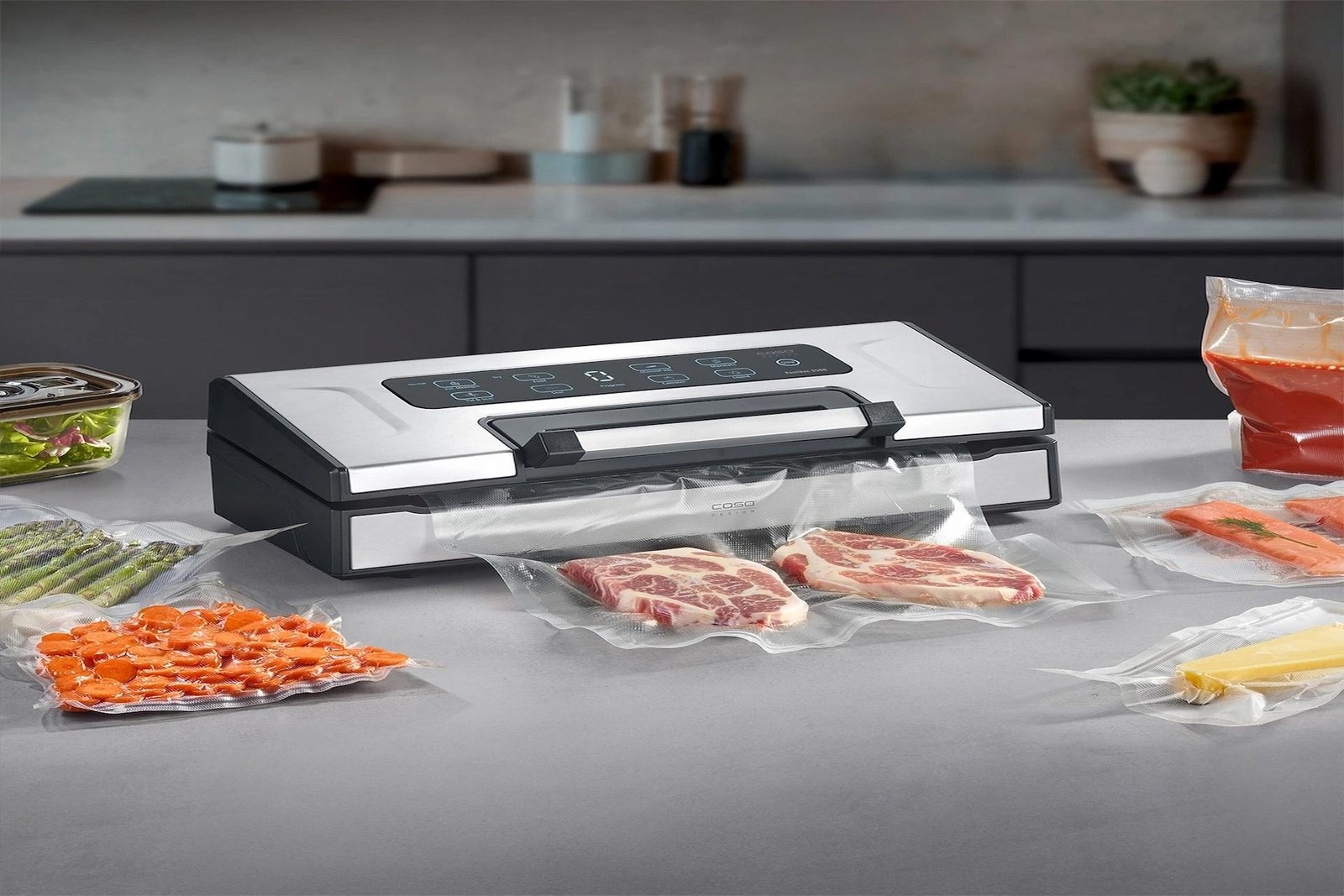
There are several types of vacuum sealers available, so your choice will depend on your primary usage and budget. External vacuum sealers are popular in home kitchens due to their convenience and ease of use. They work well for most dry goods and some moist foods. Chamber vacuum sealers, though more expensive, are better suited for sealing liquids, marinated items, or delicate foods. Consider how often you plan to use your vacuum sealer, as heavy-duty tasks or frequent use may justify investing in a higher-end model. Prices can range from under $50 for basic models to several hundred dollars for professional-grade machines, so evaluate your needs carefully to get the best value.
Step-by-Step Guide to Vacuum Sealing
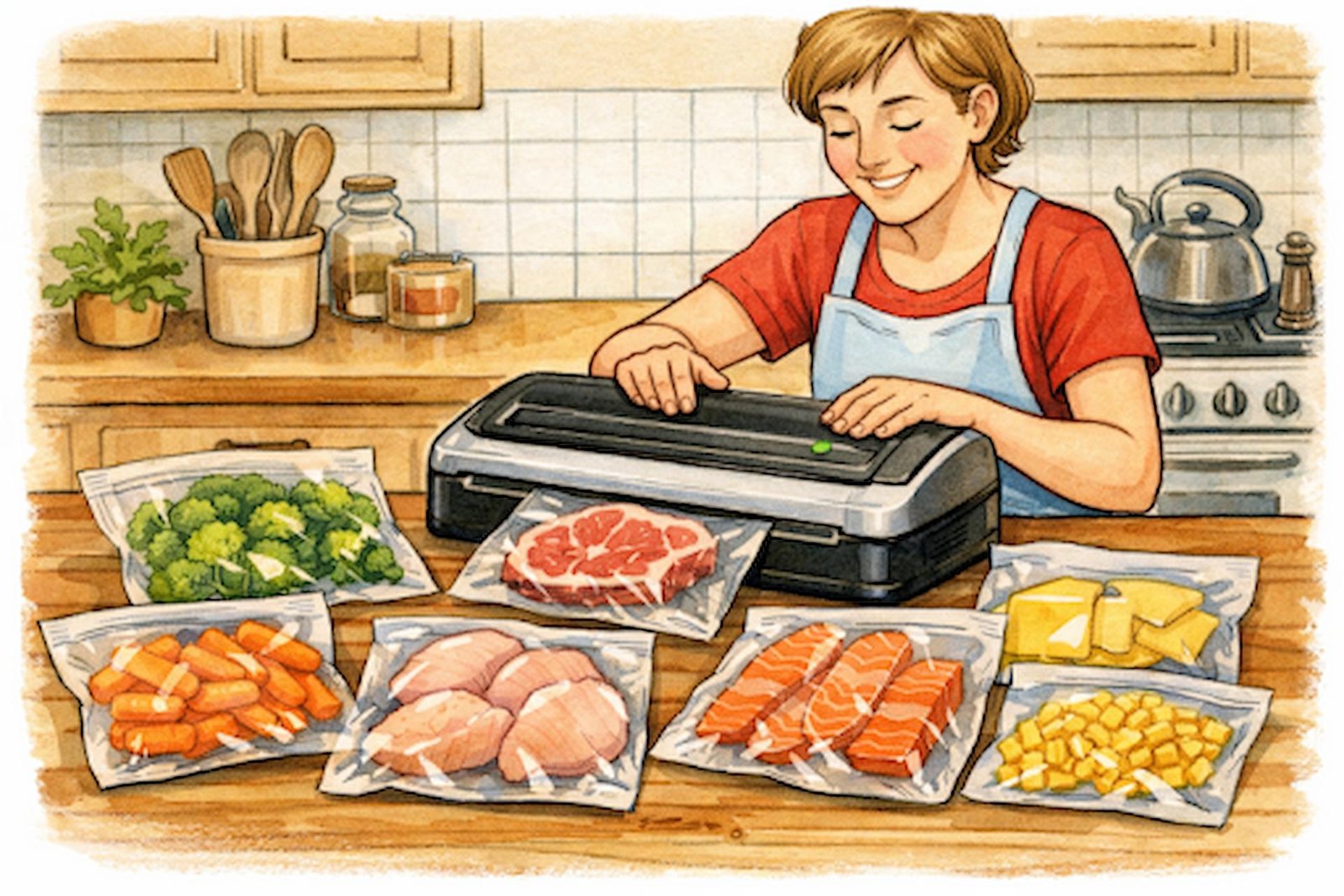
- Prepare Your Food: Clean, dry, and portion the food to your preferred serving sizes. This makes meal planning and portion control easier later on.
- Choose the Right Bag: Select a bag that is compatible with your vacuum sealer. Ensure the bag is large enough to fit the food, but not so large that there is excess space.
- Place Food in the Bag: Position the food neatly inside the bag, leaving at least 2 inches of bag space above the contents to ensure a strong, airtight seal.
- Seal the Bag: Following the manufacturer’s instructions, insert the open end of the bag into the vacuum sealer and activate the sealing process.
- Label and Store: Mark each bag with the date and contents description before storing it in your refrigerator, freezer, or pantry, as appropriate.
Common Mistakes to Avoid
- Sealing Wet Foods with External Sealers: Liquids can be pulled out of the bag during the sealing process. For items like soups or marinated meats, freeze them first in the bag before sealing. For more insights, see this WebstaurantStore guide.
- Overfilling Bags: Leaving too little extra space can cause a weak seal or a leak, so always ensure you allow enough room at the top.
- Neglecting Maintenance: Regular cleaning and checking of seals and gaskets are essential for the vacuum sealer’s performance and longevity.
Innovative Uses of Vacuum Sealing
Vacuum sealing is more than just a preservation method. Try marinating proteins in sealed bags for rapid flavor infusion, or use vacuum-sealed bags for quick pickling of vegetables. The technique is also excellent for infusing oils or spirits with herbs and spices, producing complex flavors in a short timeframe. According to Bon Appétit, creative cooks use vacuum sealers for everything from compressing fruits for desserts to keeping coffee beans fresh.
Maintaining Your Vacuum Sealer
- Regular Cleaning: Wipe down your vacuum sealer after each use to remove food residues that can cause blockages or odors.
- Inspect Seals and Gaskets: Check for visible wear or damage every few months. Replace worn parts to ensure an airtight seal with every use.
- Proper Storage: Keep your vacuum sealer in a dry, dust-free environment to prevent moisture or particles from affecting internal mechanisms.
Conclusion
Vacuum sealing offers a convenient, reliable, and economical way to improve food storage, reduce waste, and enhance flavor in every meal. With proper technique, equipment, and maintenance, you can enjoy the benefits of vacuum-sealed foods and unlock new possibilities in your kitchen routine. Integrating vacuum sealing can transform how you shop, cook, and care for your culinary supplies every day.