The Role of Commercial Janitorial Services in Healthcare Facility Disinfection
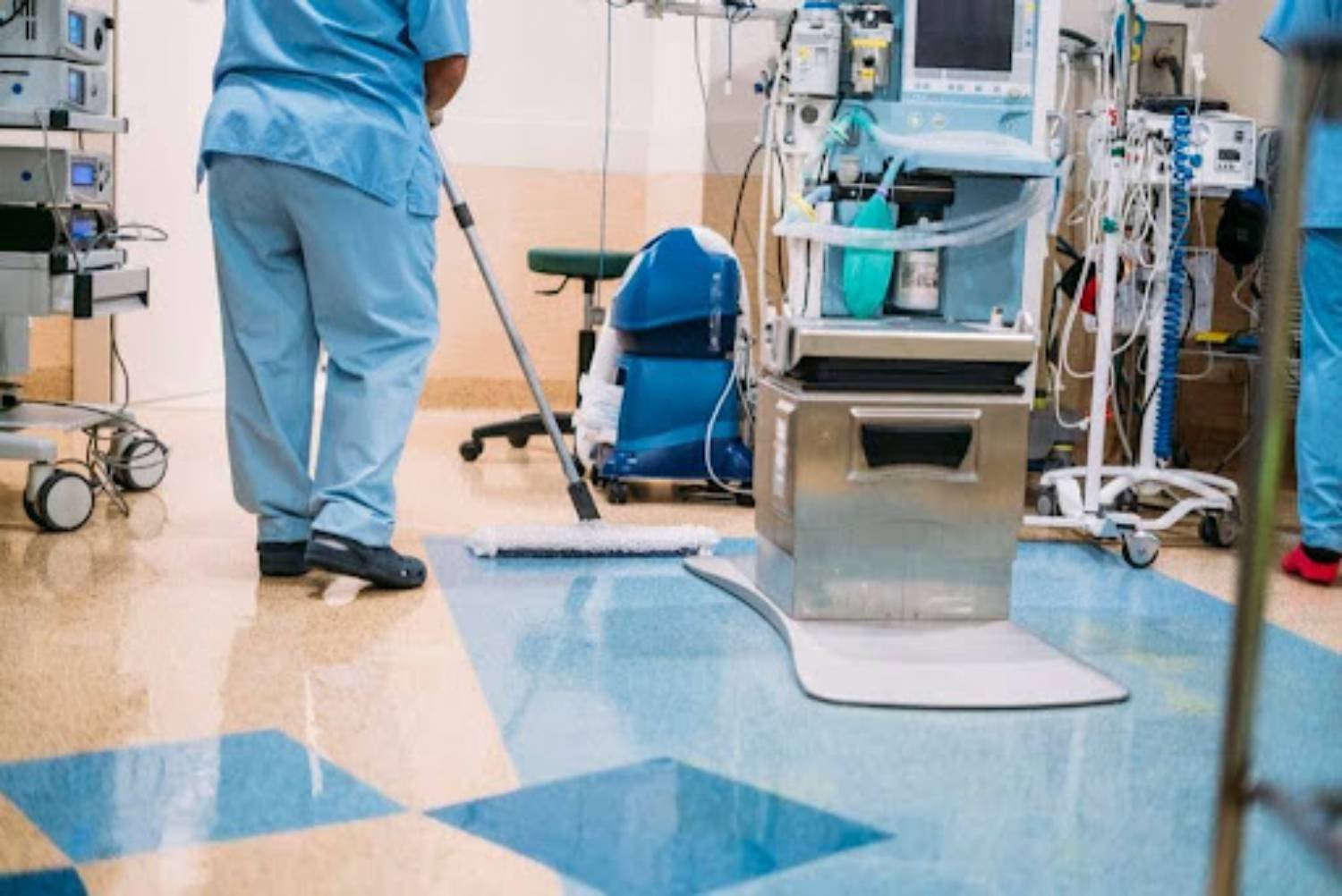
Maintaining a pristine environment is paramount in healthcare facilities. It is not merely about appearance; it directly impacts patient outcomes and staff well-being. Healthcare-associated infections (HAIs) remain a significant challenge. We understand that environmental contamination plays a crucial role in their spread, as pathogens can persist on surfaces and transfer to patients and healthcare workers.
In this extensive guide, we will explore the critical aspects of healthcare facility disinfection. We will delve into the science behind keeping these spaces safe. We will examine the different levels of disinfection, from basic cleaning to advanced sterilization. We will also look at best practices and cutting-edge technologies. Our goal is to provide clear insights into protecting vulnerable patients and busy staff. This includes the vital work performed by dedicated commercial cleaning companies that specialize in infection control.
We will cover the Spaulding classification system, which guides how medical devices are reprocessed. We will discuss specific protocols for environmental surfaces and managing hazardous spills. Finally, we will explore the advantages of various disinfectants and innovative no-touch technologies.
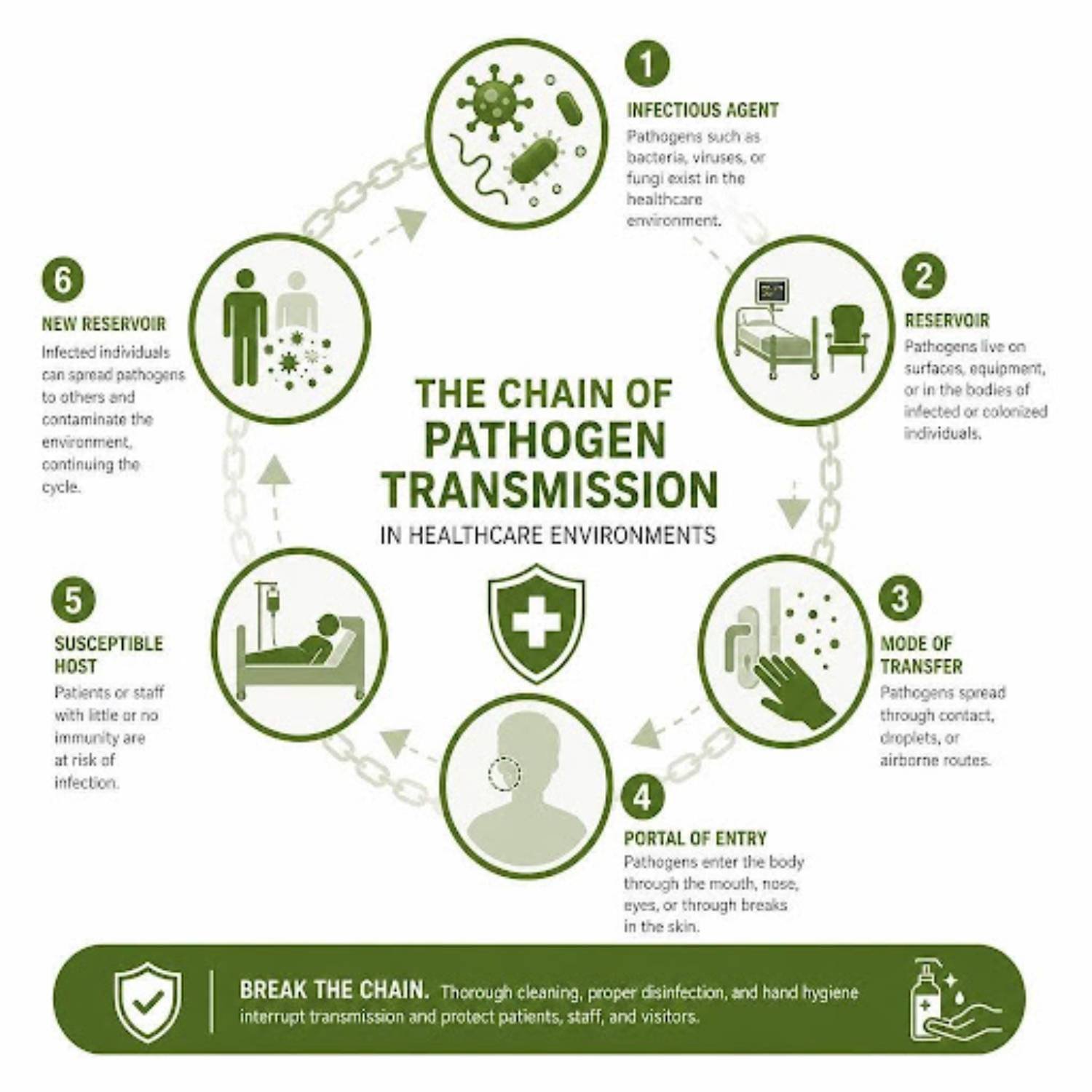
The environment within a healthcare facility is a complex ecosystem where patient safety is constantly at stake. Environmental surfaces can become reservoirs for harmful microorganisms, contributing significantly to healthcare-associated infections (HAIs). Studies have shown that contact with the environment is just as likely to contaminate the hands of healthcare personnel as direct contact with patients. This highlights the critical role of robust environmental cleaning and disinfection. For instance, admission to a room where the previous patient was colonized or infected with pathogens like MRSA, VRE, Acinetobacter, or C. difficile has been identified as a risk factor for newly admitted patients.
Effective disinfection strategies, often implemented by a specialized commercial cleaning company, are therefore indispensable. These services go beyond routine tidiness, focusing on a comprehensive approach to infection prevention. Our approach evaluates pathogen transmission risk based on three core factors: the likelihood of contamination, the vulnerability of the patient population, and the potential for exposure, particularly from high-touch versus low-touch surfaces. By aligning our environmental cleaning protocols directly with Centers for Disease Control and Prevention (CDC) best practices, we ensure that every surface is treated with the appropriate level of care, reducing the risk of pathogen transmission and enhancing overall patient and staff safety.
How Commercial Janitorial Services Manage High-Touch Surface Protocols
High-touch surfaces are a primary concern in healthcare settings due to their frequent contact by patients, visitors, and staff, making them significant conduits for pathogen transmission. These surfaces, which include bed rails, call buttons, doorknobs, light switches, and medical equipment controls, carry a demonstrably higher potential for pathogen transfer compared to low-touch surfaces like walls or ceilings.
To effectively mitigate this risk, commercial janitorial services implement stringent protocols for high-touch surface disinfection. This involves a meticulous risk framework that categorizes areas into low, moderate, and high risk based on contamination likelihood, patient vulnerability, and exposure potential. For example, patient care areas with high patient turnover or immunocompromised individuals would fall into a higher risk category, necessitating more frequent and thorough disinfection.
A critical aspect of these protocols is adhering to the correct contact time, also known as dwell time, for disinfectants. While many EPA-registered hospital disinfectants have a label contact time of 10 minutes, scientific studies have demonstrated efficacy against many pathogens with a contact time of at least one minute. Our teams are rigorously trained to ensure these contact times are met, allowing the disinfectant sufficient time to inactivate microorganisms. We also employ point-of-care accessories and clear labeling to simplify access to disinfectants and support staff compliance, ensuring that every high-touch surface is not just cleaned, but truly disinfected, contributing significantly to pathogen inactivation and infection control.
Compliance Audits and Training for Commercial Janitorial Services
Maintaining an exceptional standard of cleanliness and disinfection in healthcare facilities requires more than just good intentions; it demands rigorous compliance and continuous improvement. We recognize that even the most robust protocols are only as effective as their implementation. Unfortunately, multiple studies globally have documented a lack of compliance with established guidelines for disinfection and sterilization, underscoring the need for vigilant oversight.
To counter this, our commercial janitorial services prioritize comprehensive staff training and ongoing competency testing. All personnel involved in healthcare facility disinfection undergo specialized training covering the nuances of different disinfectants, appropriate personal protective equipment (PPE) usage, and specific protocols for various healthcare environments. This training is not a one-time event; it is reinforced through yearly competency testing to ensure knowledge retention and adaptation to evolving guidelines. For example, institutions like the University of North Carolina Hospitals have implemented mandatory training programs, including multi-hour classes on high-level disinfection protocols and minimum effective concentrations, to eliminate reprocessing errors.
Furthermore, we conduct regular quality assurance checks and infection control audits. These audits systematically review our cleaning and disinfection processes, identify potential gaps, and ensure adherence to workflow standards. Any deficiencies identified are documented, and corrective actions are implemented promptly, typically within two weeks. This proactive approach to monitoring and compliance ensures that our services consistently meet and exceed the stringent requirements for healthcare facility disinfection, safeguarding patient health and maintaining a sterile environment.
Medical Device Reprocessing and the Spaulding Classification Framework
The reprocessing of medical devices is a cornerstone of infection prevention in healthcare, directly preventing the transmission of pathogens from one patient to another. To standardize this critical process, the Spaulding classification system was developed over 50 years ago, and it remains remarkably clear and logical in guiding appropriate disinfection or sterilization levels. This system categorizes patient-care items into three main groups based on the risk of infection involved in their use: critical, semicritical, and noncritical. Understanding this framework is fundamental to ensuring patient safety and selecting the correct reprocessing method for each device.
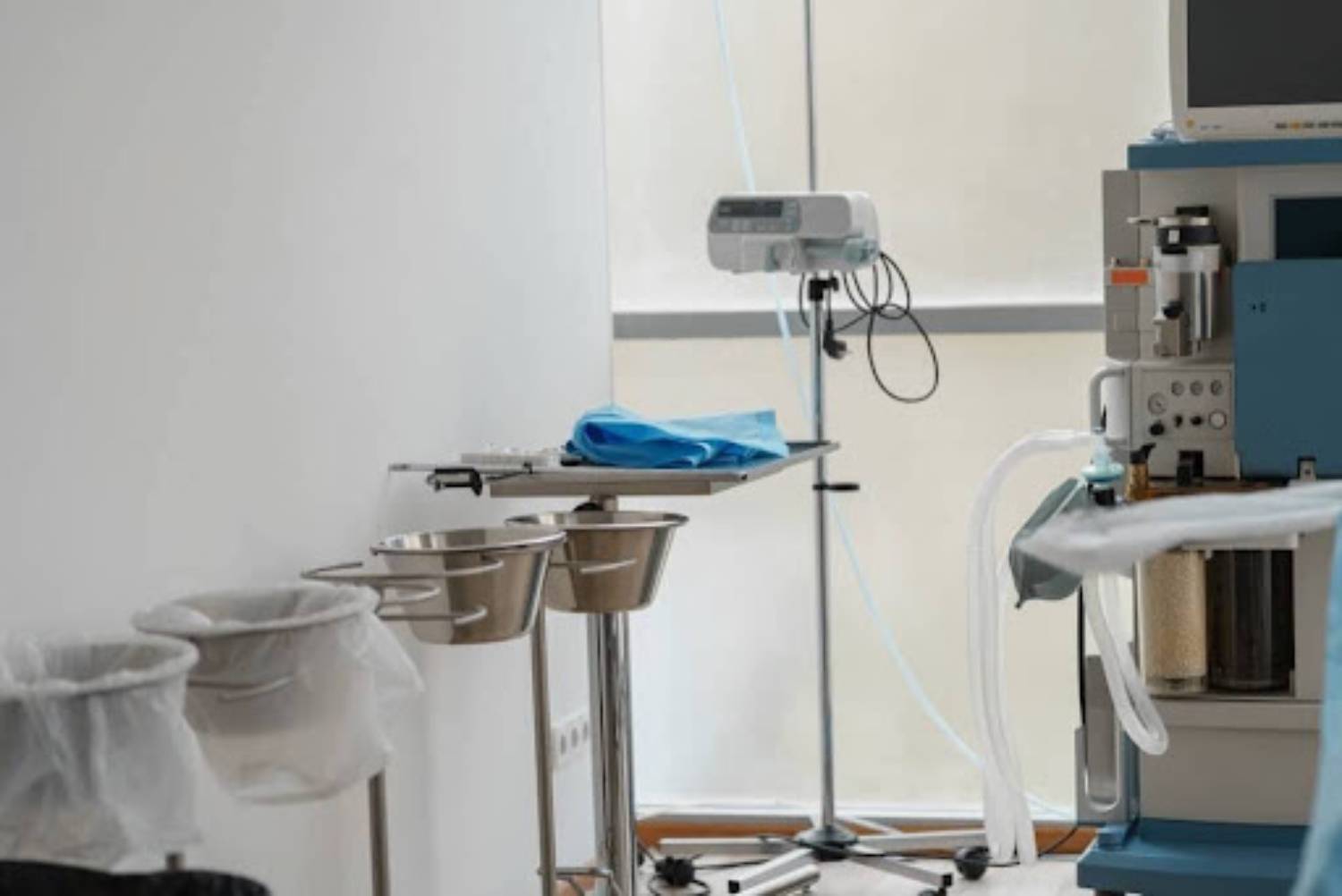
Critical vs. Semicritical Device Decontamination
The Spaulding classification dictates whether an item requires sterilization, high-level disinfection, or low-level disinfection:
- Critical Items: These are objects that enter sterile tissue or the vascular system, such as surgical instruments, cardiac catheters, and implants. Any contamination on these items can lead to severe infection. Therefore, critical items must be sterilized, a process that destroys all forms of microbial life, including bacterial spores. Steam sterilization is the most common and effective method for these devices, offering a substantial 17-log10 margin of safety when combined with thorough cleaning.
- Semicritical Items: These devices come into contact with mucous membranes or non-intact skin but do not ordinarily penetrate sterile tissue. Examples include endoscopes, respiratory therapy equipment, and anesthesia breathing circuits. Semicritical items require high-level disinfection (HLD), which eliminates many or all pathogenic microorganisms, but not necessarily bacterial spores. While sterilization is preferred for some devices like laparoscopes and arthroscopes, HLD is often accepted for semicritical items when meticulous cleaning precedes it.
- Noncritical Items: These items come into contact only with intact skin, such as blood pressure cuffs, stethoscopes, and bedpans, or do not directly contact the patient (e.g., environmental surfaces). Noncritical items require low-level disinfection, which kills most vegetative bacteria, some fungi, and some viruses, but not mycobacteria or bacterial spores.
The key difference between sterilization and high-level disinfection lies in their ability to destroy bacterial spores. Sterilization achieves total eradication, while HLD does not. This distinction is crucial, as the appropriate level of reprocessing is directly tied to the potential for infection transmission. The efficacy of both HLD and sterilization is heavily reliant on thorough pre-cleaning, which removes organic and inorganic debris that can shield microorganisms and compromise the chemical action of disinfectants or sterilants.
Reprocessing Semicritical Devices and Outbreak Prevention
Semicritical devices, particularly complex instruments like endoscopes, pose a unique challenge in healthcare disinfection. More healthcare-associated outbreaks have been linked to contaminated endoscopes than to any other reusable medical device. This is a significant concern, especially given the high volume of procedures performed annually; in 2009, over 6.9 million upper gastrointestinal (GI) and 11.5 million lower GI endoscopies were performed in the United States.
The intricate design of endoscopes, with their narrow lumens and internal channels, makes thorough cleaning and disinfection exceptionally difficult. Studies have revealed that the internal channels of GI endoscopes, including duodenoscopes, can harbor a substantial bioburden, sometimes containing 10^7 to 10^10 enteric microorganisms. This high level of contamination, combined with the fact that high-level disinfection (HLD) offers a minimal or even nonexistent margin of safety (4-log10 to 5-log10 reduction), creates a significant risk. This is in stark contrast to the 17-log10 safety margin achieved with cleaning and sterilization of surgical instruments.
Recent outbreaks of multidrug-resistant organisms linked to duodenoscopes have intensified scrutiny on reprocessing protocols. These outbreaks have prompted discussions and proposals to reclassify such complex devices from semicritical to critical due to the inherent risks in mucosal contact procedures. Best practices for endoscope reprocessing emphasize meticulous manual cleaning, including thorough channel flushing, followed by automated HLD using specialized equipment. Furthermore, forced-air drying of reprocessed equipment is crucial, as it drastically reduces bacterial contamination by eliminating moisture, which is favorable for microbial growth. These stringent measures are vital to prevent the spread of dangerous pathogens and protect patients undergoing endoscopic procedures.
Disinfection Protocols for Environmental Surfaces and Biological Spills
Beyond medical devices, the routine cleaning and disinfection of noncritical environmental surfaces are fundamental to infection control in healthcare facilities. These surfaces, which include floors, walls, and furniture, while not directly contacting patients’ sterile tissues or mucous membranes, can still harbor pathogens that contribute to healthcare-associated infections. Effective protocols are designed to minimize this risk through systematic and consistent application.
Our approach to environmental cleaning adheres to established principles:
- Clean-to-Dirty Workflow: Cleaning always progresses from cleaner areas to dirtier areas to prevent the spread of contamination.
- Top-to-Bottom Cleaning: Surfaces are cleaned starting from the highest points and moving downwards. This ensures that dust, dirt, and microorganisms fall onto uncleaned surfaces or the floor, preventing re-contamination of freshly disinfected areas.
- Systematic Manner: Cleaning proceeds methodically, often in a clockwise or counter-clockwise pattern, to ensure no surface is missed.
For routine cleaning, a one-step process using an EPA-registered hospital disinfectant is often employed, especially in patient care areas where the type of surface soil may be uncertain. Horizontal surfaces are wet-dusted regularly using clean cloths moistened with disinfectant. Mop heads and cleaning cloths are laundered and dried daily to prevent microbial growth and cross-contamination. It’s crucial to change mopping solutions frequently, such as every three patient rooms or at least every 60 minutes, to maintain efficacy. While floors generally pose a low exposure risk and typically require daily cleaning with a neutral detergent rather than a disinfectant unless visibly contaminated, high-touch surfaces demand consistent disinfection.
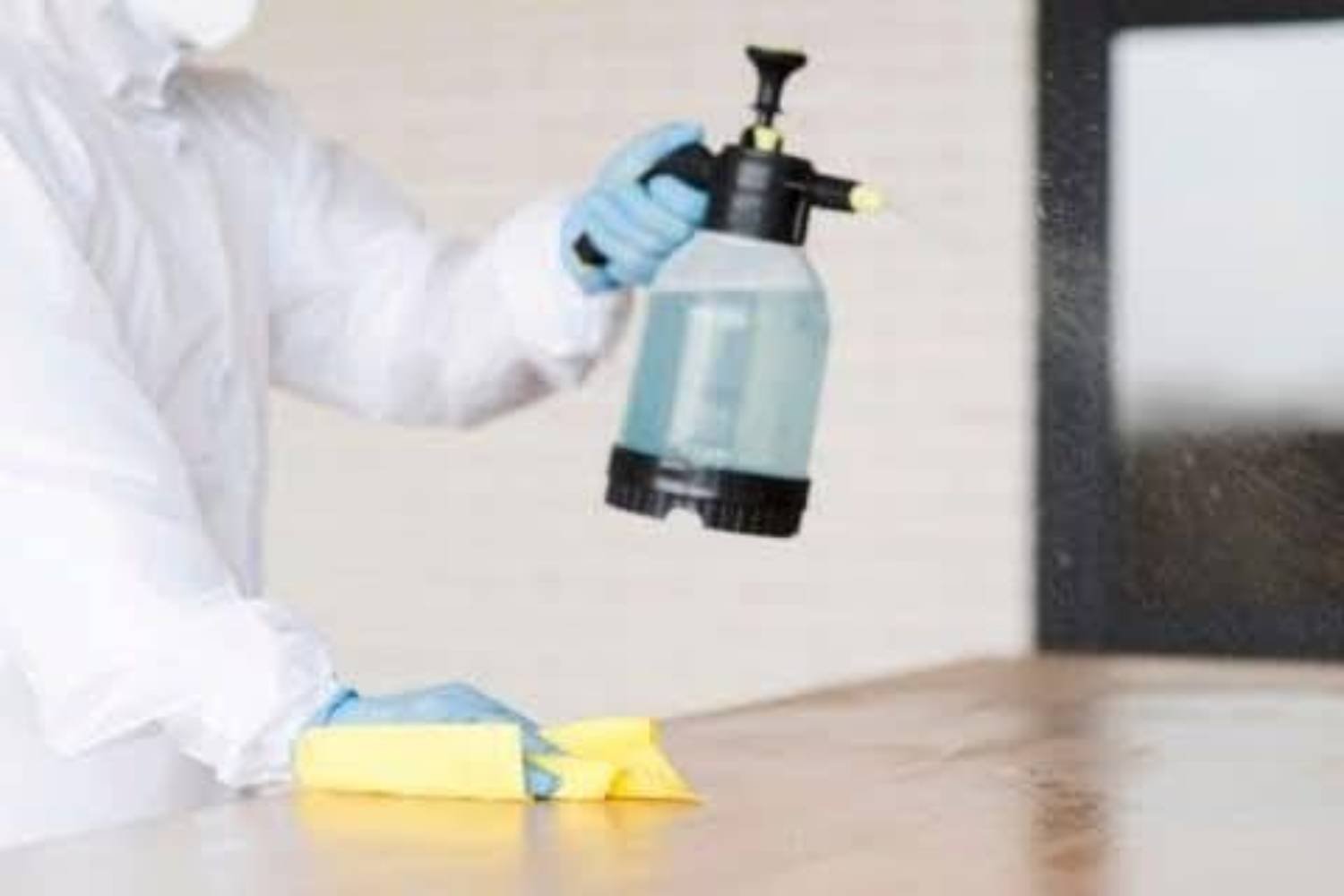
Here’s a list of common high-touch surfaces in healthcare environments that require regular disinfection:
- Bed rails
- Call buttons
- Over-the-bed tables
- Doorknobs and handles
- Light switches
- Sinks and faucets
- Toilet seats and flush handles
- Computer keyboards and mice
- Telephones
- IV poles
- Patient monitoring equipment controls
- Handrails
- Chair arms
Blood and Body Fluid Spill Management Protocols
Managing blood and body fluid spills is a critical and high-risk aspect of healthcare facility disinfection, requiring immediate and precise action to prevent pathogen transmission. These spills can contain bloodborne pathogens like Hepatitis B virus (HBV), Hepatitis C virus, and HIV, as well as other infectious agents.
Our protocol for blood and body fluid spill management is designed to be swift, safe, and effective:
- Immediate Containment and PPE: Upon discovery, the area is immediately isolated, and trained personnel don appropriate personal protective equipment (PPE), including gloves, gowns, eye protection, and masks, to prevent direct contact with the spill.
- Absorption of Bulk Material: Absorbent materials, such as disposable towels or spill kits, are used to carefully absorb the bulk of the liquid. Any sharps, such as broken glass, are picked up using forceps and immediately discarded into puncture-resistant biohazard containers.
- Cleaning with Neutral Detergent: After the bulk material is removed, the area is thoroughly cleaned with a neutral detergent and warm water to remove any remaining organic matter. This step is crucial because organic material can inactivate many disinfectants.
- Disinfection: Once cleaned, the surface is disinfected with a facility-approved, EPA-registered disinfectant. For blood spills, sodium hypochlorite (bleach) solutions are commonly used. A 1:100 dilution of 5.25%-6.15% sodium hypochlorite (yielding 525-615 ppm available chlorine) is typically sufficient for small spills. For larger spills exceeding 10 mL, a 1:10 dilution (approximately 5,250-6,150 ppm available chlorine) is recommended. It is imperative to allow the disinfectant to remain on the surface for the recommended contact time to ensure efficacy.
- Safe Disposal: All contaminated absorbent materials, PPE, and cleaning supplies are disposed of in designated biohazard waste containers.
Crucially, our teams are educated on the hazards of mixing chemicals; for instance, hypochlorite solutions (bleach) must never be mixed with acids or ammonia, as this can release toxic chlorine gas. This meticulous approach ensures that spills are decontaminated effectively while protecting the safety of our personnel.
Worker Safety Standards and Occupational Health
The health and safety of healthcare workers and janitorial staff involved in disinfection processes are paramount. Disinfectants and sterilants, while essential for infection control, are chemicals that can pose occupational health risks if not handled correctly. Consequently, strict adherence to occupational health and safety measures, including those outlined by OSHA standards, is non-negotiable.
Our comprehensive safety protocols include:
- Personal Protective Equipment (PPE): All personnel are provided with and rigorously trained in the proper use of PPE, which typically includes chemical-resistant gloves, eye protection (goggles or face shields), fluid-resistant gowns, and respiratory protection when necessary. This protects against skin contact, inhalation of fumes, and splashes.
- Chemical Safety Training: Staff receive in-depth training on the specific disinfectants and sterilants they use, including their chemical properties, potential hazards, safe handling procedures, storage requirements, and emergency response protocols. This includes understanding manufacturer’s instructions for dilution, contact time, and material compatibility.
- Ventilation Standards: Adequate ventilation is ensured in areas where disinfectants are used, particularly with high-level disinfectants or sterilants that may emit fumes. This minimizes inhalation exposure.
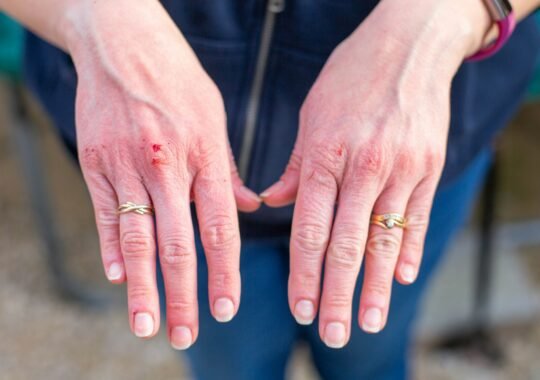
- Health Monitoring: We implement measures to protect vulnerable workers, such as excluding individuals with weeping dermatitis from direct contact with certain chemicals, as their compromised skin barrier increases absorption risk. Regular health monitoring may also be part of the occupational health program.
- Exposure Limits: We adhere to established exposure limits for specific chemicals, such as the OSHA limit for formaldehyde exposure (an 8-hour time-weighted average concentration of 0.75 ppm), ensuring that staff exposure remains within safe parameters.
Integrating occupational safety and environmental risk assessments into the selection and use of chemical disinfectants is a continuous process. By prioritizing worker safety, we not only protect our dedicated staff but also ensure the consistent and effective application of disinfection protocols, which ultimately safeguards the entire healthcare environment.
Chemical Disinfectants and No-Touch Decontamination Technologies
The arsenal of chemical disinfectants available for healthcare facilities is diverse, each with specific microbicidal spectra, advantages, and disadvantages. Selecting the right disinfectant depends on the item’s Spaulding classification, the target pathogens, material compatibility, and occupational safety considerations. We categorize these broadly into low-level and high-level disinfectants.
Comparative Analysis of Hospital-Grade Disinfectants
Here’s a comparative look at some common hospital-grade disinfectants:
- Low-Level Disinfectants:
- Alcohols (e.g., Ethanol, Isopropanol):
- Advantages: Rapid acting, effective against vegetative bacteria (including MRSA, VRE), fungi, and enveloped viruses. Optimal bactericidal concentration is 60%-90% solutions in water.
- Disadvantages: Lack sporicidal activity, ineffective against non-enveloped viruses, can damage certain materials, highly flammable, rapid evaporation requires careful attention to contact times. Absolute ethyl alcohol is less effective than alcohol-water mixtures.
- Sodium Hypochlorite (Bleach):
- Advantages: Broad spectrum, effective against bacteria, viruses, fungi, and spores at higher concentrations. Inexpensive.
- Disadvantages: Corrosive to metals, irritating to skin and mucous membranes, strong odor, inactivated by organic matter, unstable (loses about 50% chlorine concentration over 30 days when stored at room temperature). Never mix with acids or ammonia.
- Quaternary Ammonium Compounds (Quats):
- Advantages: Good detergency, non-corrosive, low toxicity, effective against many bacteria and enveloped viruses.
- Disadvantages: Limited efficacy against non-enveloped viruses, mycobacteria, and spores. Can be inactivated by hard water, soaps, and cotton/gauze materials.
- High-Level Disinfectants (HLDs):
- Glutaraldehyde:
- Advantages: Broad spectrum, effective against bacteria, viruses, fungi, mycobacteria, and spores (with extended contact time). Good material compatibility for many devices.
- Disadvantages: Slow acting, strong odor, respiratory irritant, can cause contact dermatitis, requires activation, limited shelf life once activated.
- Ortho-phthalaldehyde (OPA):
- Advantages: Superior mycobactericidal activity compared to glutaraldehyde, faster HLD contact time (e.g., 12 minutes at 20°C), less irritating, no activation required, good stability.
- Disadvantages: Stains proteins (including skin and mucous membranes) gray, expensive, no sporicidal claim, requires thorough rinsing.
- Hydrogen Peroxide:
- Advantages: Broad spectrum, effective against bacteria, viruses, fungi, mycobacteria, and spores (at higher concentrations). Environmentally friendly breakdown products (water and oxygen).
- Disadvantages: Can be corrosive to some metals, relatively unstable, can cause skin and respiratory irritation at high concentrations.
Material compatibility is a crucial criterion when formulating and selecting professional surface disinfectants. Verifying chemical disinfectant compatibility with equipment plastics, metals, and standard healthcare surfaces is essential to prevent damage, which could compromise device function or create crevices for microbial growth.
No-Touch Disinfection Systems: UV-C and Hydrogen Peroxide Vapor
In addition to chemical disinfectants, healthcare facilities are increasingly adopting advanced “no-touch” disinfection technologies to enhance room decontamination, particularly for terminal cleaning or during outbreaks. These automated systems offer a significant advantage by reaching surfaces that might be missed during manual cleaning and disinfection, providing an added layer of microbicidal efficacy.
- UV-C Technology:
- Mechanism: Ultraviolet-C (UV-C) light works by damaging the DNA and RNA of microorganisms, preventing them from replicating and rendering them inactive. Mobile UV-C devices are deployed in patient rooms or operating theaters after manual cleaning.
- Advantages: Highly effective against a broad spectrum of pathogens, including bacteria, viruses, and spores. Leaves no chemical residue. Automated and reduces human error.
- Disadvantages: Requires direct line of sight (shadows can protect pathogens), requires rooms to be empty, and can degrade certain plastics over time. Safety precautions are essential due to UV-C’s harmful effects on human skin and eyes.
- Vaporized Hydrogen Peroxide (VHP):
- Mechanism: VHP systems disperse hydrogen peroxide vapor into a sealed room, which then condenses on all surfaces, including hard-to-reach areas. The hydrogen peroxide acts as a powerful oxidizing agent, destroying microorganisms.
- Advantages: Excellent sporicidal activity, effective against a wide range of pathogens. Penetrates crevices and shadowed areas. Leaves no toxic residues, breaking down into water and oxygen.
- Disadvantages: Requires rooms to be sealed and empty, longer cycle times compared to UV-C, and can be corrosive to some electronics if not properly managed. Requires specialized equipment and trained operators.
These no-touch technologies are typically used as an adjunct to, rather than a replacement for, thorough manual cleaning and disinfection. They are particularly valuable for terminal cleaning after a patient with a highly infectious disease has been discharged, offering an enhanced level of environmental safety. While disinfectant fogging is generally not supported by the CDC for routine patient-care areas due to unproven efficacy and potential occupational hazards, VHP and UV-C systems are distinct, validated technologies for targeted, high-level room decontamination.
Frequently Asked Questions About Commercial Janitorial Services and Disinfection
What is the Spaulding classification system and how does it categorize healthcare items?
The Spaulding classification system is a widely accepted framework that categorizes patient-care items based on their potential risk of infection transmission. It divides items into three categories:
- Critical items are those that enter sterile tissue or the vascular system (e.g., surgical instruments). They require sterilization.
- Semicritical items contact mucous membranes or non-intact skin (e.g., endoscopes). They require high-level disinfection.
- Noncritical items only contact intact skin or the environment (e.g., blood pressure cuffs, environmental surfaces). They require low-level disinfection. This system guides the appropriate level of reprocessing to ensure patient safety.
How do healthcare facilities manage blood and body fluid spills safely?
Managing blood and body fluid spills involves a multi-step protocol to ensure safety and effective decontamination. First, staff don appropriate biohazard PPE. The bulk of the spill is then absorbed using disposable materials. Next, the area is cleaned with a neutral detergent to remove organic matter. Finally, a facility-approved disinfectant, such as a diluted sodium hypochlorite solution (bleach), is applied for the recommended contact time. All contaminated materials are then safely disposed of as biohazard waste. Swift and precise execution of this spill response is crucial.
What is the difference between high-level disinfection and sterilization?
The primary difference between high-level disinfection (HLD) and sterilization lies in their ability to eliminate bacterial spores. Sterilization is a process that destroys all forms of microbial life, including bacterial spores, ensuring total eradication. This is typically achieved through methods like steam, ethylene oxide, or hydrogen peroxide gas plasma. High-level disinfection, on the other hand, eliminates many or all pathogenic microorganisms on inanimate objects but does not reliably kill bacterial spores. HLD is achieved with potent liquid chemical sterilants used for shorter contact times. The choice between HLD and sterilization depends on the device’s intended use and its classification within the Spaulding system.
Conclusion
Maintaining a high standard of facility cleanliness and infection control is not merely a task but a continuous commitment in healthcare environments. As we’ve explored, from the foundational Spaulding classification system guiding medical device reprocessing to the meticulous protocols for environmental surface disinfection and biological spill management, every aspect plays a vital role in patient and staff safety. The integration of robust standard protocols, comprehensive staff training, and the strategic deployment of both traditional chemical disinfectants and innovative no-touch technologies are essential for effective environmental safety. By adhering to these principles and ensuring operational compliance, healthcare facilities can significantly reduce the risk of healthcare-associated infections, fostering healthier and safer spaces for everyone.