
Table of Contents
- Understanding Cleanroom Classifications
- Personnel Training and Garbing Procedures
- Cleanroom Design and Maintenance
- Cleaning and Disinfection Protocols
- Environmental Monitoring
- Compliance with Regulatory Standards
- Continuous Improvement and Auditing
- Conclusion
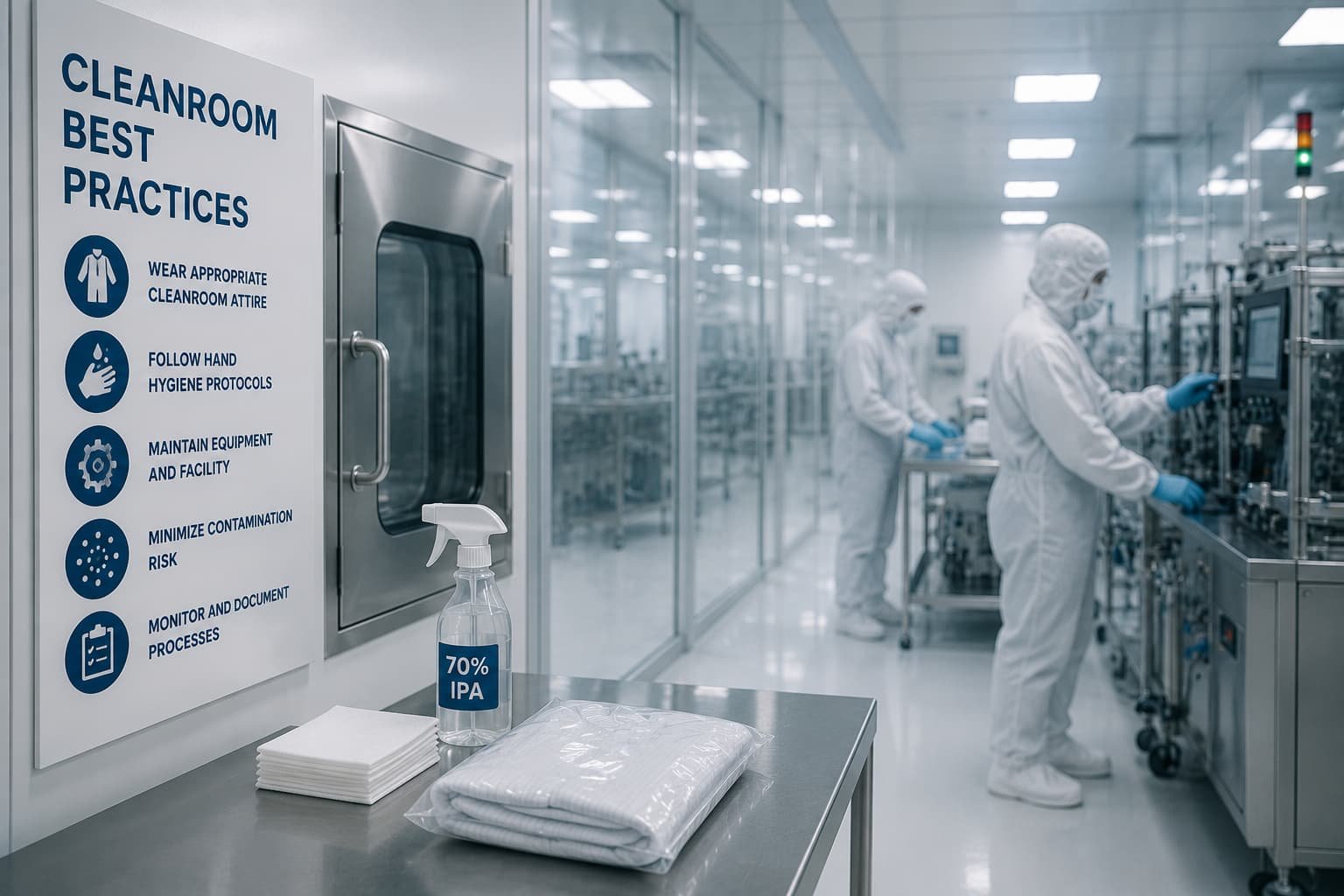
Maintaining exceptional cleanroom standards is crucial across various industries such as pharmaceuticals, biotechnology, and electronics. These controlled environments safeguard product quality, ensure regulatory compliance, and protect the health and safety of patients and consumers. An important part of these protocols involves using proper tools and supplies, such as cleanroom wipes, which are designed to prevent shedding and reduce contamination.
Companies must continuously assess their cleanroom operations to meet the highest standards of cleanliness and safety. Regardless of the sector, upholding robust cleanroom practices involves more than just daily routines. It’s about fostering a culture of meticulousness, responsibility, and ongoing improvement. By understanding standards and implementing best practices, organizations can achieve superior outcomes in both efficiency and safety.
Understanding Cleanroom Classifications
Cleanrooms are classified by the number and size of airborne particles permitted per cubic meter of air, as defined by the International Organization for Standardization (ISO) 14644-1. These classifications range from ISO Class 1, which is the cleanest, to ISO Class 9, which allows more particles. For example, an ISO Class 7 cleanroom permits up to 352,000 particles of 0.5 microns or larger per cubic meter. These standards ensure that environments meet precise thresholds, addressing the varying needs of industries from microelectronics manufacturing to pharmaceutical production.
Understanding and implementing the correct class is essential for determining required protocols, training staff, choosing proper equipment, and establishing environmental monitoring systems. Companies should regularly review their cleanroom class based on operational needs and product requirements to prevent deviations that could compromise safety or quality.
Personnel Training and Garbing Procedures
Human actions are the leading sources of contamination in cleanrooms. This makes robust personnel training programs indispensable. Employees should receive instruction on proper gowning techniques, hand hygiene, and the correct methods for entering and operating within cleanroom environments. Training must be continuous and reinforced by practical demonstrations, competency assessments, and feedback to instill a sense of accountability among staff.
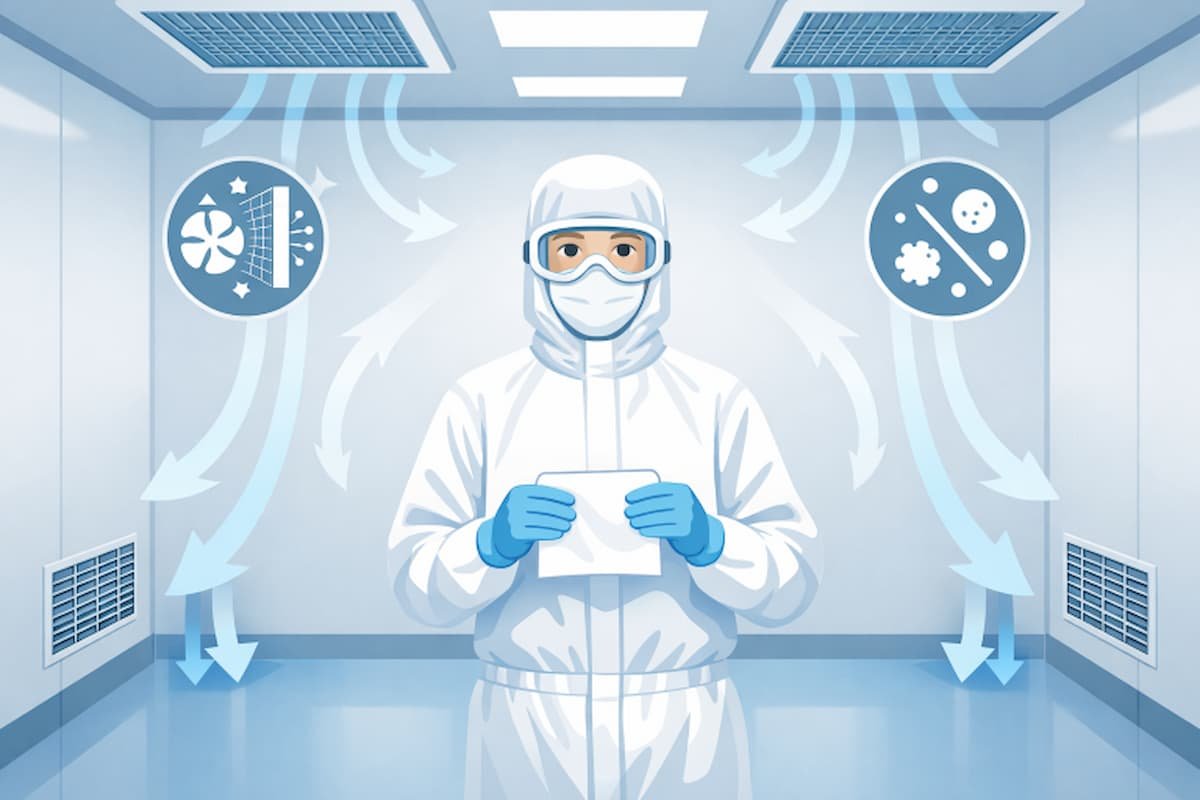
The revised ISO 14644-5:2025 standard highlights the importance of implementing well-documented personnel management programs. These programs should address gowning procedures, introduction of contamination control measures, and the tracking of personnel qualifications. Ensuring compliance with such standards reduces human risk, supporting risk management and regulatory requirements. For more information, refer to the ISO 14644-5:2025 standard on the International Organization for Standardization’s website.
Cleanroom Design and Maintenance
The physical structure of a cleanroom significantly affects its capacity to prevent particle infiltration and accumulation. Optimal design includes non-porous, chemical-resistant surfaces for walls, floors, and ceilings. Features such as seamless construction, well-sealed doors, and specially treated air-handling systems support maintaining high standards. Facilities must also address HVAC maintenance to maintain pressure differentials and filtration efficiency. Regular inspections and preventive maintenance help address minor issues before they escalate.
Cleaning and Disinfection Protocols
Developing thorough cleaning and disinfection protocols is one of the most effective ways to prevent contamination. The selection of cleaning agents must consider residue, safety, efficacy against potential contaminants, and compatibility with the room’s materials. Establishing a cleaning schedule is crucial, with daily, weekly, and monthly tasks delineated based on risk assessment. This may include daily disinfection of benches and floors, weekly cleaning of walls, and periodic comprehensive cleaning of hard-to-access areas. All staff must be trained on these detailed protocols, and any changes must be implemented regularly.
Environmental Monitoring
Real-time environmental monitoring is necessary to detect deviations quickly and intervene before problems affect operations. Cleanrooms require continuous monitoring of parameters such as airborne particulates, microbial levels, humidity, temperature, and pressure differentials. Automated systems can collect and analyze data, providing early warning for any parameter outside of set limits and ensuring compliance with set standards. Prompt identification of out-of-specification results followed by corrective actions upholds integrity and product safety.
Compliance with Regulatory Standards
Operating within established regulatory frameworks is essential for credibility and legal compliance. Standards such as ISO 14644, USP <797>, and EU GMP Annex 1 guide organizations in the design, maintenance, and verification of cleanrooms. Audits by internal or external parties, coupled with regulatory inspections, help organizations stay aligned with emerging changes and ensure ongoing compliance. Companies should regularly review relevant guidelines and maintain robust documentation to demonstrate adherence.
Continuous Improvement and Auditing
Successful cleanroom management involves more than static adherence to guidelines. Organizations must foster a culture of continuous improvement through routine internal audits, gathering staff feedback, and staying abreast of industry advancements. Issues discovered during audits and process reviews should inform risk management and quality assurance programs. Proactive policies, regular practice analysis, and the integration of new technology help organizations meet and exceed current standards over time.
Conclusion
Exceptional cleanroom standards result from structured protocols, ongoing staff training, strategic facility design, rigorous cleaning regimens, continuous monitoring, and an unwavering commitment to regulatory compliance. By maintaining and constantly improving these essential practices, organizations can ensure product quality, protect stakeholders, and remain competitive in demanding industries.