Toothpaste and an in-office whitening session work on different layers of a tooth. One scrubs the outer surface, while the other reaches the material underneath. The difference explains why a bright paste leaves some marks untouched. The sections below cover what each approach can lift for patients in Edison.
Surface Film Versus Stains Inside the Enamel
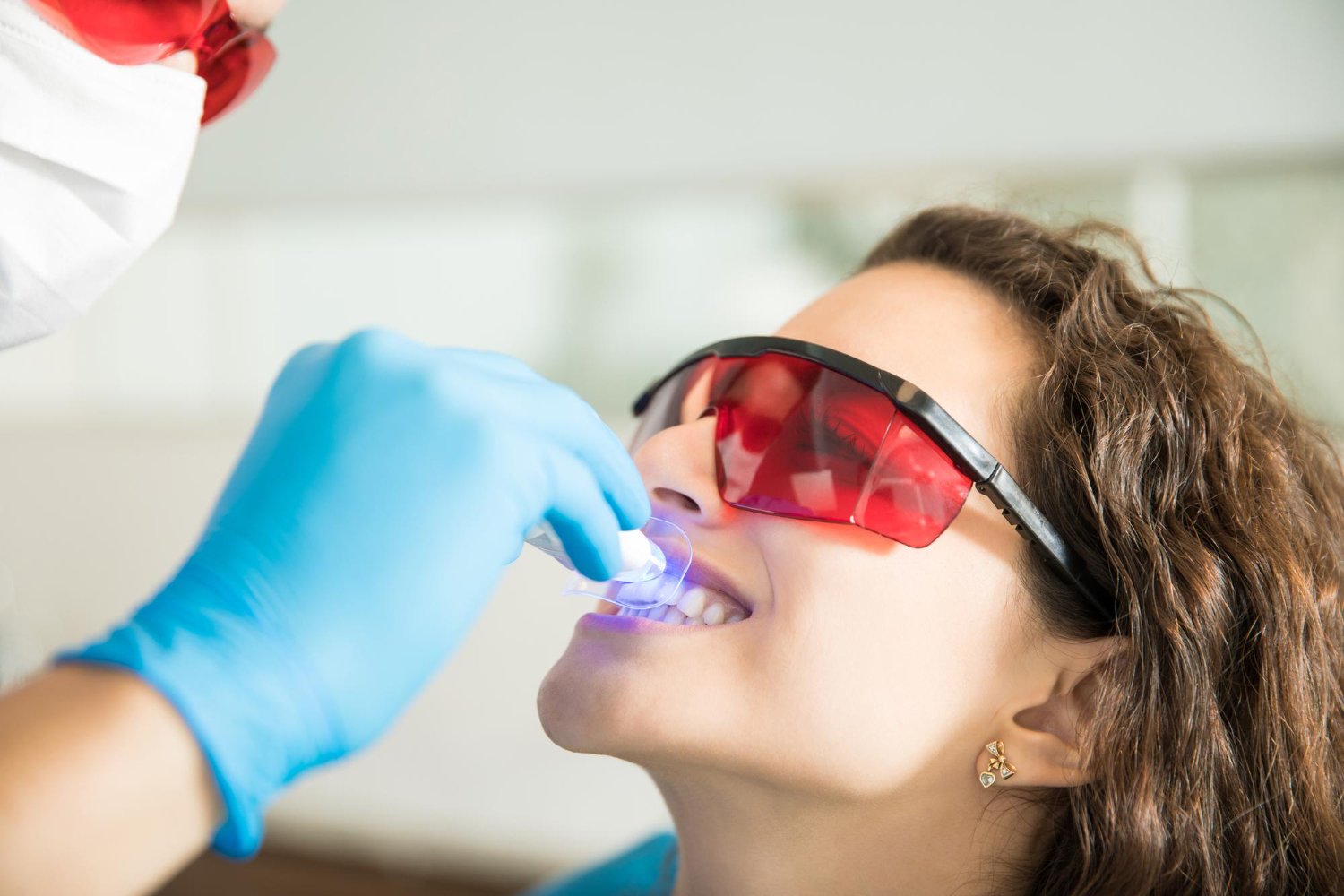
Whitening toothpaste uses mild abrasives to scrub the outermost film from a tooth. Appointments with a cosmetic dentist in Edison, NJ, use a peroxide gel instead, which passes into the enamel itself. That gel breaks apart the pigment molecules trapped below the surface. Abrasive particles in a paste stop at the layer they can physically reach.
Enamel holds thousands of microscopic pores that absorb color over the years. A paste has no chemistry to lift what settles inside those pores. That gap in reach explains why daily brushing keeps a tooth clean without shifting its underlying shade.
Deep Pigment From Coffee, Tea, and Red Wine
Tannins in coffee and black tea bind to protein on the tooth surface. The bond pulls color deeper with each daily cup. Red wine adds acid, which opens the enamel pores and speeds absorption. Berries, curry, and soy sauce leave similar marks over months.
Common sources that respond to a peroxide gel include the following.
- Brown shading along the necks of the front teeth
- Yellow tones spread evenly across an entire arch
- Grey cast left after years of black tea
- Dull patches on the biting edges of the lower teeth
- Uneven color between the canines and the incisors
Age-Related Yellowing From the Dentin Layer
Enamel thins across decades of chewing and acid exposure. Dentin sits underneath and carries a natural yellow tone. A thinner outer layer lets more of that color show through. No paste can alter the shade of the dentin, since the material sits well below the reach of a brush.
A peroxide gel travels through the enamel to act on that inner layer. Sessions with a cosmetic dentist in Edison, NJ, target this type of discoloration directly. Results here need a professional concentration to show a visible change.
Stains That Whitening Cannot Lift
Grey bands from tetracycline resist peroxide treatment in most cases. A tooth darkened after root canal treatment needs an internal approach. Veneers or bonding cover these marks when whitening falls short.
Tartar and Plaque Removed at the Cleaning Stage
Hardened tartar traps pigment against the tooth and blocks the gel. A hygiene appointment removes that layer with hand instruments and an ultrasonic tip. Dental offices across New Jersey schedule this step before any whitening session. The clean surface allows even contact between gel and enamel.
| Deposit | Where it sits | How it is removed | Effect on the whitening result |
| Soft plaque | Along the gum line and between the teeth | Brush, floss, and a polish at the hygiene visit | Dulls the finished shade in patches |
| Hardened tartar | Necks of the teeth and behind the lower front teeth | Hand scaler and an ultrasonic tip | Blocks gel contact with the enamel underneath |
| Surface film | Across the outer enamel of every tooth | Polishing paste at the end of the cleaning | Leaves an uneven shade across the arch |
Plaque left along the gum line dulls the finished shade. Patients in Edison usually book the two appointments within the same week.
A Cosmetic Dentist in Edison Checks the Cause First
An exam separates surface film from internal discoloration before treatment starts. Shade guides record the starting color for reference at the end. Existing crowns and veneers get noted, since porcelain holds its original shade.
Sensitivity history shapes the gel strength selected for a session. Practices in New Jersey may suggest a desensitizing paste for the days beforehand. A written plan sets expectations about the final result.
Toothpaste handles surface film, while a peroxide gel reaches pigment inside the enamel and the dentin below. An exam confirms which type of discoloration is present. Residents of New Jersey can raise sensitivity concerns at that visit. A session in Edison may help improve the shade that a paste leaves behind.