For homeowners in Rockville, improving a house does not always require a dramatic renovation. Some of the most worthwhile upgrades address everyday frustrations: rooms that feel drafty, inadequate storage, dated lighting, uncomfortable temperatures, or exterior features that demand constant maintenance. The challenge is deciding where limited renovation dollars will have the greatest effect. Rather than chasing trends, homeowners can focus on upgrades that improve comfort, efficiency, function, and durability. A thoughtful improvement plan also considers how different parts of the house work together. Windows influence indoor comfort, lighting affects how spaces function, and storage determines how easily rooms stay organized. By prioritizing practical changes first, homeowners can create a house that feels noticeably better without remodeling everything at once.
Improve Comfort With Better-Performing Windows
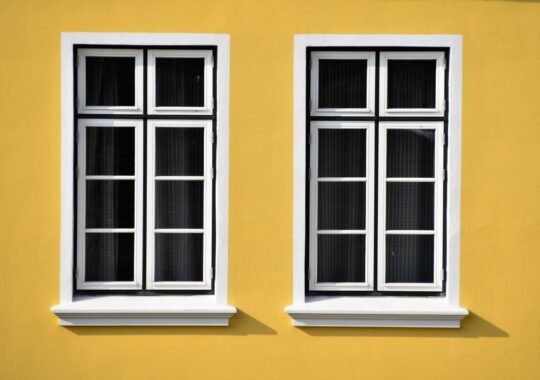
Older windows can become noticeable when rooms feel uncomfortable near the glass, outside noise seems excessive, or drafts appear around frames. Replacement windows can address several concerns simultaneously while also refreshing the exterior appearance of a home.
Because window performance depends on the product, glazing, frame, weatherstripping, and quality of installation, homeowners considering replacement may benefit from speaking with a Rockville energy efficient windows specialist about which configurations suit their property. Modern options can incorporate features such as Low-E coatings, insulating gas fills, durable frame materials, and improved weatherstripping to reduce energy loss and help maintain more consistent indoor temperatures.
Before replacing every window automatically, identify where problems are most noticeable. Evaluating condition, comfort, operation, and efficiency can help determine which improvements deserve priority.
Upgrade Insulation in Problem Areas
Insulation rarely creates the dramatic photographs associated with a new kitchen or bathroom, but it can have an important effect on household comfort.
Attics are a sensible place to investigate because inadequate insulation or air leakage can influence temperature control throughout the house. Exterior walls, crawl spaces, and areas around penetrations may deserve attention depending on the home’s construction.
An energy assessment can help identify weaknesses instead of relying on guesswork.
Air sealing is another consideration. Small gaps around plumbing penetrations, wiring, recessed fixtures, doors, and other openings can allow unwanted air movement.
The objective is not simply adding as much insulation as possible. Materials need to be appropriate for the location and installed correctly, while ventilation and moisture management must also be considered.
Improvements hidden behind walls or above ceilings may not attract compliments from visitors, but homeowners can appreciate the benefits every day.
Modernize Lighting Throughout the House
Lighting influences both the appearance and usefulness of a room.
A single ceiling fixture may technically illuminate a space while still creating shadows in areas where people cook, read, work, or prepare for the day. Layered lighting can provide a more flexible solution.
Begin with general illumination, then add task lighting where activities require greater visibility. Accent lighting can highlight architectural features or create a softer atmosphere during evenings.
LED fixtures and bulbs can reduce electricity consumption compared with older technologies while offering a wide range of brightness levels and color temperatures.
Switches deserve attention too.
Dimmers can make one fixture useful for different situations, while carefully chosen smart controls may add convenience in frequently used spaces.
Before purchasing decorative fixtures, consider what each area actually needs. A beautiful pendant that provides inadequate light above a work surface will quickly become frustrating.
Good lighting should make daily activities easier while complementing the home’s overall design.
Refresh Exterior Doors and Entry Areas
The entrance affects curb appeal, security, comfort, and the first impression visitors receive.
An aging exterior door may become difficult to operate or develop gaps that allow drafts. Replacement can provide an opportunity to improve weather sealing, locking hardware, and appearance at the same time.
Homeowners who are not ready for full replacement can still make smaller improvements.
New hardware, fresh paint, updated house numbers, improved lighting, and a durable doormat can make an entrance feel noticeably more polished.
Consider the area immediately inside the door as well.
Hooks, benches, shoe storage, and small cabinets can create a practical transition between outdoors and the rest of the home. This becomes especially useful when coats, bags, umbrellas, and footwear otherwise migrate into living spaces.
A well-designed entrance should look welcoming, but its real success becomes apparent on busy mornings when everyone can find what they need.
Make Kitchens More Functional Without Rebuilding Them
A complete kitchen renovation can be expensive and disruptive, yet many kitchens can improve significantly through targeted upgrades.
Start with the problems that interfere with daily use.
Poor lighting can be addressed with better task fixtures. Difficult-to-reach cabinet interiors may become more useful with pullout organizers. Worn hardware can be replaced without changing otherwise functional cabinetry.
Countertop appliances also deserve consideration when planning storage. Frequently used items should remain convenient, while occasional appliances can move elsewhere to free valuable workspace.
A new faucet, updated backsplash, or refreshed cabinet finish can change the room aesthetically without requiring a complete redesign.
Avoid replacing functional components solely because a trend has changed.
If the basic layout works, preserving it can keep costs under control while allowing money to go toward improvements that genuinely affect everyday life.
Function should determine priorities, with appearance following closely behind.
Prioritize Upgrades With Long-Term Benefits
Home improvement budgets can disappear quickly when projects are selected independently without an overall plan.
Create a prioritized list before beginning.
Safety issues, water intrusion, structural concerns, failing mechanical systems, and badly deteriorated exterior components generally deserve attention before purely decorative projects.
Next, consider improvements that influence everyday comfort and function. Better windows, insulation, lighting, storage, and efficient fixtures can deliver benefits repeatedly rather than only changing how a room looks.
Maintenance requirements should influence decisions as well.
Materials that are durable and appropriate for the home’s conditions may provide better long-term value than fashionable alternatives requiring frequent repairs or refinishing.
Finally, leave some flexibility in the budget for unexpected costs. Even seemingly straightforward projects can uncover problems once work begins.
A successful home upgrade does not need to be the largest or most expensive project on the street. The best improvements solve genuine problems and continue providing value after the excitement of renovation has passed.
By evaluating how the house performs before concentrating on appearances, homeowners can invest more deliberately. Comfortable rooms, dependable materials, sensible storage, efficient features, and practical outdoor spaces may not all be completed at once. Over time, however, those carefully chosen upgrades can create a home that is easier to maintain, more enjoyable to live in, and better suited to the people who use it every day.