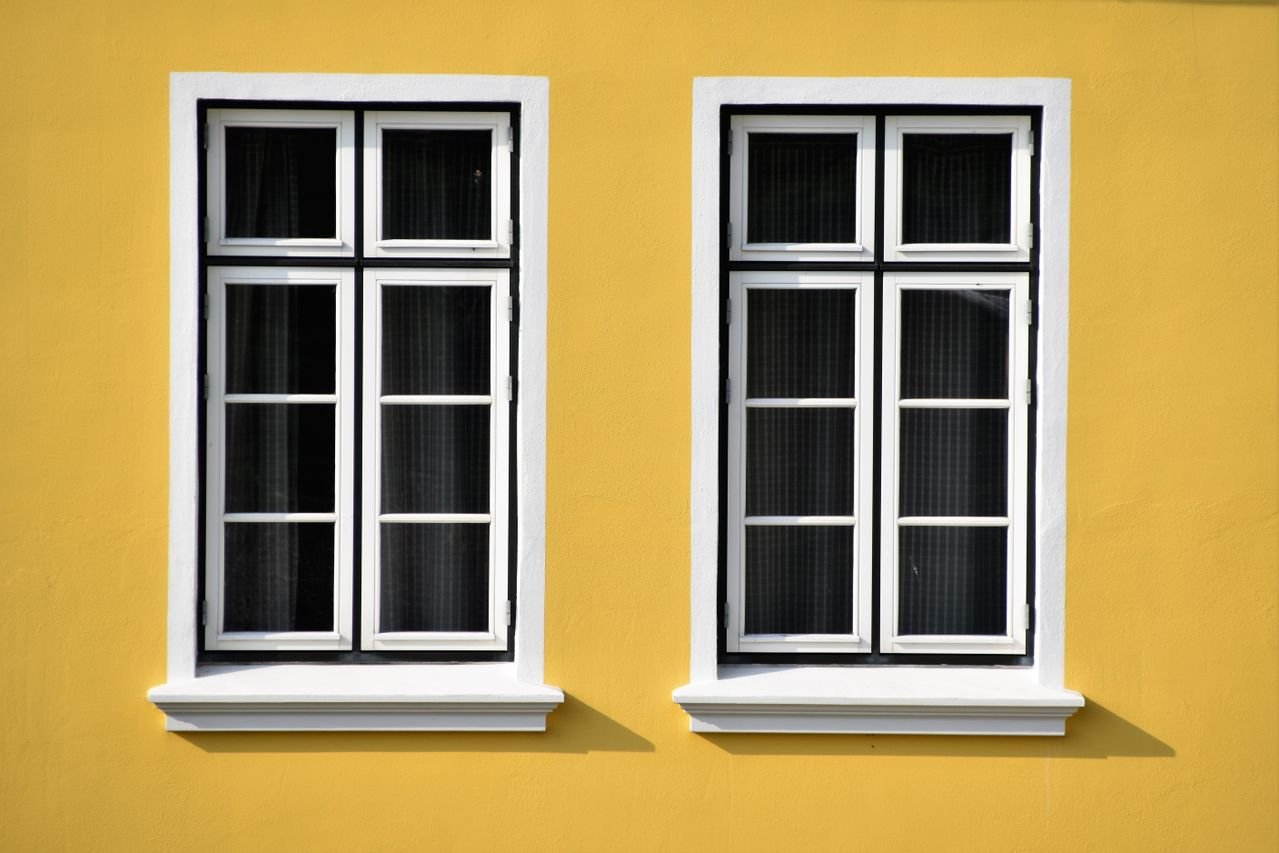
If you live in Pasadena, you already know the climate puts your house through a lot. Hot afternoons, bright sun, and the occasional chilly evening can make old windows feel like weak spots in your home’s comfort. Replacing them isn’t just about appearance. It affects energy use, noise control, maintenance, and even resale value. Before you commit, it helps to understand what actually matters so you can make a smart choice without getting blindsided by the details.
Start by Looking at the Problems Your Current Windows Are Causing
A lot of homeowners begin with style, but function deserves your attention first. If your rooms feel drafty, your energy bills keep climbing, or outside noise barges in like an uninvited guest, your windows may be underperforming.
You might also notice windows that stick, collect condensation between panes, or show signs of rotting frames. Those issues point to aging materials or broken seals. In older homes, especially, windows can quietly become one of the biggest sources of energy loss.
Walk through your home at different times of day. Check which rooms get too warm, too cold, or too bright. That simple review gives you a clearer picture of what you need to fix, and it helps you avoid paying for features that sound impressive but don’t solve your actual problems.
Installation Quality Can Make or Break the Entire Project
Even excellent windows can perform badly if installation is sloppy. Gaps, poor sealing, bad measurements, or incorrect flashing can lead to air leaks, water intrusion, and expensive repairs. A beautiful new window that leaks during the first storm is not exactly a home upgrade.
That’s where vetting the installer becomes crucial. If you’re comparing providers, a reputable window replacement company in Pasadena should be able to explain product options, measurement methods, timelines, warranties, and how they handle cleanup and post-installation support.
Ask whether permits are required for your project and who handles them. Request proof of licensing and insurance. Read reviews with a skeptical eye, looking for repeated comments about punctuality, communication, and workmanship. Good installers don’t just swap glass. They protect the envelope of your home.
Understand the Main Window Styles Before You Buy
Window shopping gets complicated fast. Every style has a different purpose, and choosing based only on looks can leave you with regrets. Double-hung windows are popular because they’re easy to clean and fit many home styles. Casement windows open outward and often seal tightly, which can help with ventilation and efficiency.
Sliding windows work well for wider openings and usually have a clean, modern look. Picture windows bring in lots of light but don’t open, so they’re better when airflow isn’t a priority. Bay and bow windows add dimension and visual appeal, though they typically cost more.
Think about how you use each room. A bedroom may need airflow and privacy. A living room may benefit more from natural light and curb appeal. Good window choices are part design decision, part practical engineering.
Pay Close Attention to Frame Materials and Glass Options
The frame material affects durability, maintenance, insulation, and price. Vinyl is one of the most common choices because it’s affordable, low-maintenance, and energy efficient. Fiberglass tends to be stronger and more stable in temperature swings, though it usually costs more upfront.
Wood offers classic charm, especially in traditional homes, but it needs regular upkeep. Aluminum is sleek and durable, yet it may not insulate as well as other options unless it includes thermal breaks.
Glass matters just as much. Double-pane windows are standard for efficiency, while triple-pane options can help in especially noisy or extreme climates. Low-E coatings reduce heat transfer and block UV rays that can fade flooring and furniture. Argon gas fills between panes improve insulation too. It sounds technical, but those details have a direct impact on comfort and monthly utility costs.
Energy Efficiency Ratings Aren’t Just Sales Talk
Window labels can look like alphabet soup, but they’re worth understanding. Two of the biggest ratings to check are U-factor and Solar Heat Gain Coefficient, often called SHGC. U-factor measures how well a window prevents heat from escaping. Lower numbers usually mean better insulation.
SHGC tells you how much solar radiation the window lets in. In a sunny place like Pasadena, that number matters more than many people realize. Too much solar heat gain can turn a comfortable room into a slow cooker by midafternoon.
Also look for Energy Star certification and ask how the product performs in your climate zone. Marketing language can get glossy fast, but the ratings give you something concrete. Better efficiency often costs more at first, yet it can reduce strain on your HVAC system over time.
Budget Beyond the Sticker Price
Window replacement costs can vary wildly depending on size, materials, glass packages, labor, and the condition of your existing frames. A quote that seems surprisingly low may leave out trim work, disposal, repairs, or upgrades you’ll be nudged toward later.
Get multiple estimates and compare what’s actually included. Ask whether the price covers installation, hauling away old materials, permit fees, and finishing work. Clarify how changes in scope are handled if hidden damage shows up during removal.
It also helps to think long-term. Cheap windows with weak warranties can become expensive headaches. Better products and experienced installation often mean fewer repairs, lower utility bills, and stronger resale appeal. You’re not just buying a view. You’re paying for performance, durability, and less future drama.
Think About Noise, Security, and Everyday Maintenance
Most people focus on energy savings, but daily livability matters just as much. If traffic, neighbors, or leaf blowers regularly interrupt your peace, ask about glass packages designed for sound reduction. The difference can be surprisingly noticeable, especially in street-facing rooms.
Security features deserve attention too. Multi-point locking systems, stronger frames, and impact-resistant glass can improve peace of mind. You don’t need your windows to look like a bank vault, but flimsy hardware should raise eyebrows.
Maintenance is another practical issue. Some finishes hold up better in harsh sun. Tilt-in sashes can make cleaning much easier. Fiberglass and vinyl usually demand less work than wood over time. When you choose windows, you’re also choosing future chores, and that part tends to get overlooked until the ladder comes out.
Match the New Windows to Your Home’s Style and Future Plans
Replacement windows should improve your home without making it look disconnected from its architecture. A sleek modern frame may look great in one house and oddly out of place in a Spanish Revival or Craftsman-style property. Pasadena has plenty of character-rich neighborhoods, so design consistency matters.
Consider grille patterns, frame colors, sightlines, and how the windows look from both inside and outside. If you plan to sell within a few years, broad appeal may matter more than highly specific design choices. If this is your long-term home, prioritize what fits your lifestyle.
The best projects strike a balance between appearance and performance. New windows should make your home feel better, look better, and function better without creating a design mismatch. When you approach the process with clear priorities, you’ll make choices that hold up well long after installation day.