If you run a business, space problems show up fast. Inventory piles up, equipment needs protection, and expansion rarely waits for a perfect lease. Shipping containers have moved well beyond port logistics and into everyday business strategy.
In places where construction, retail, and seasonal operations stay active year-round, practical storage matters. A steel container can solve a surprisingly wide range of business headaches without turning into a budget black hole.
Why Shipping Containers Appeal to Business Owners
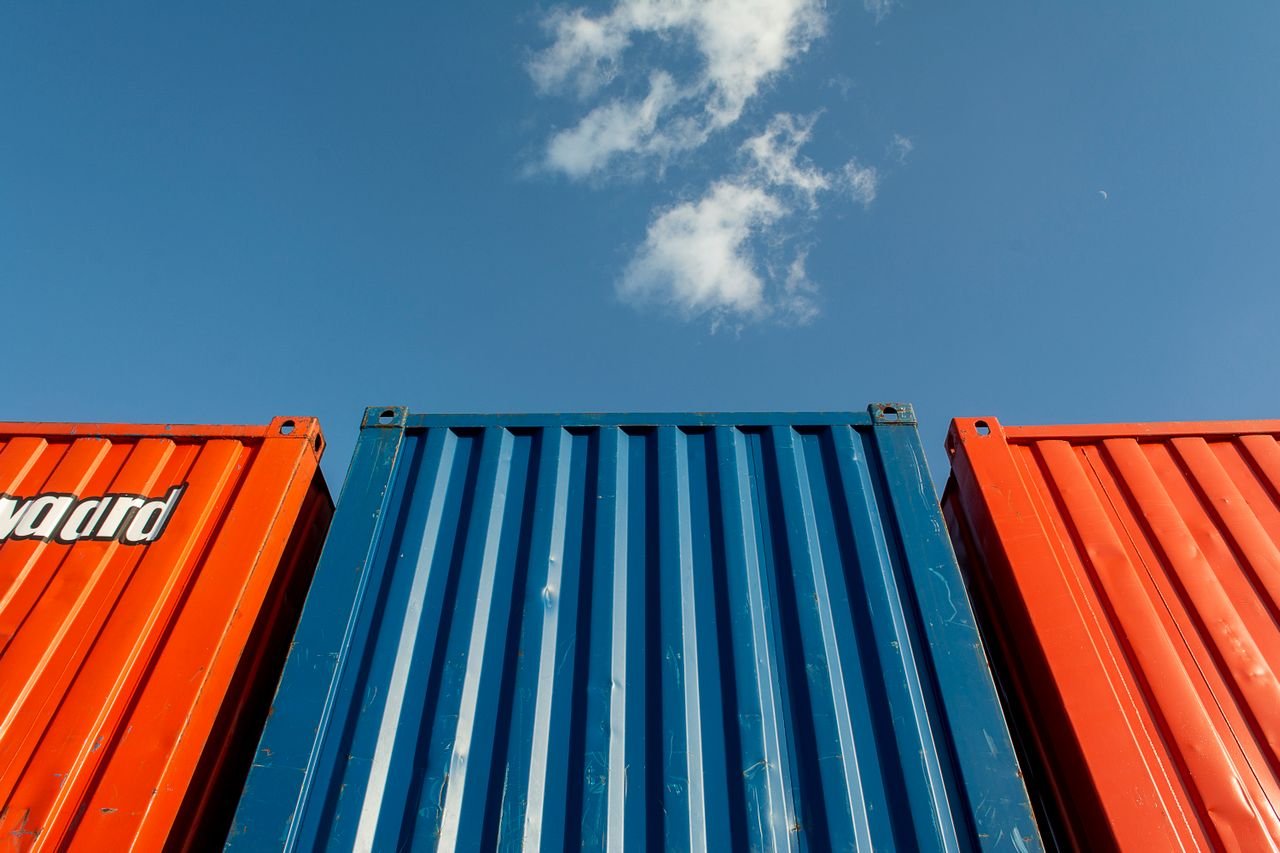
You probably think of shipping containers as giant metal boxes sitting on trains or cargo ships. Fair enough. For business use, though, they’ve become a flexible asset that can handle storage, security, and even workspace needs.
A container gives you on-site space without the cost and delay of building an addition. That matters when your business is growing faster than your square footage. It also helps when you need a temporary setup for a project, remodel, or busy season.
Business owners often like containers because they’re:
– Durable and weather-resistant
– Available in multiple sizes
– Useful for short-term or long-term needs
What to Look for Before You Buy One
Buying a container sounds simple until you start comparing options. New, used, one-trip, wind and watertight, cargo worthy, modified. Suddenly you’re shopping in a niche market with its own vocabulary.
Start with condition. A one-trip container usually has minimal wear and a cleaner appearance. A used container costs less but may show dents, rust, or flooring wear. Many businesses are fine with cosmetic flaws if the structure remains solid.
You should also check:
– Size requirements, typically 20-foot or 40-foot units
– Door function and seal condition
– Flooring material and interior cleanliness
– Ventilation needs
If you’re searching for shipping containers for sale, consider a provider who understands the nature of your business and space requirements to ensure you’re not spending for features you’re not using.
The Most Common Business Uses for Containers
A shipping container can fit into more industries than you might expect. Construction companies use them to store tools and materials on job sites. Retailers use them for overflow inventory. Landscaping businesses keep machinery, supplies, and seasonal stock protected in one place.
If you manage events, agriculture, maintenance crews, or small manufacturing, the use cases add up quickly. You can keep valuable items on-site and cut down on constant back-and-forth transportation.
A few practical examples include:
– A contractor storing power tools and lumber near an active build
– A retailer holding holiday inventory before peak season
– A school or nonprofit storing tables, signage, and event gear
– A farm keeping feed, equipment, or irrigation parts out of the weather
In each case, the container works like a no-nonsense operations assistant that never calls in sick.
Cost Considerations That Actually Matter
The sticker price only tells part of the story. You also need to think about transport, site prep, modifications, and long-term value. A container that seems cheap can become expensive if delivery is complicated or if repairs stack up right away.
For many businesses, the bigger question is whether buying beats renting or leasing extra space. Often, it does. A purchased container can serve for years, and you’re not locked into commercial lease rates for square footage you only need for storage.
Real cost factors include:
– Distance from the supplier to your site
– Ground leveling or support pads
– Lock upgrades or security accessories
– Shelving, lighting, or climate modifications
– Whether appearance matters for customer-facing locations
You don’t need a luxury setup. You need a container that fits your operation, your site, and your tolerance for future maintenance surprises.
Security, Durability, and Business Risk
When you store expensive equipment or inventory, security stops being a side issue. It becomes part of your risk management plan. Shipping containers are popular partly because corrugated steel and lockable cargo doors create a far more secure setup than a basic outdoor structure.
That doesn’t mean every container is automatically fortress-level secure. You still need smart placement, quality locks, and clear access control. If employees, vendors, or crews use the unit regularly, think through who has access and when.
Weather protection matters too. A well-maintained container handles rain, snow, wind, and sun exposure far better than many improvised storage options. In regions with sharp seasonal shifts, that resilience can protect both materials and margins.
For businesses watching insurance exposure, theft prevention, and equipment lifespan, a container often earns its keep quietly. Not exciting, maybe. Effective, absolutely.
When a Container Becomes More Than Storage
Plenty of businesses start with storage and then realize a container can support more ambitious plans. With modifications, it can become a mobile office, pop-up retail unit, workshop, ticket booth, or equipment room.
That flexibility matters if your business changes often. A construction firm may need site offices. A festival vendor may want a secure sales booth. A startup with limited capital might use a modified container as a practical first space instead of taking on a full commercial lease.
Before going that route, think about:
– Insulation and ventilation
– Electrical access
– Interior layout
– Permits and code compliance
– Branding or exterior paint
Not every business needs a container coffee bar with industrial-chic ambitions. Still, having a structure that can evolve with your needs gives you options, and options are useful when growth gets messy.
How to Decide if a Container Is Right for Your Business
A shipping container makes sense when you need secure, flexible space without the cost or commitment of traditional expansion. It’s especially useful if your business deals with tools, inventory, materials, equipment, or seasonal overflow.
Ask yourself a few direct questions:
– Do you need storage at your current location?
– Are you paying too much for off-site space?
– Do you need a faster solution than construction?
– Would portable, durable storage improve daily operations?
– Could the container serve more than one purpose over time?
If the answer is yes to several of those, a container deserves a serious look. The best business investments aren’t always flashy. Sometimes they’re steel, rectangular, and better at solving problems than anything in the glossy brochure pile.
A smart purchase gives you control over space, security, and workflow. That kind of practicality tends to age very well.