Local homeowners remember agents who provide clear value before any sale decision appears. A smart farm plan helps an agent become familiar with one defined area through useful contact, local proof, and steady outreach. The goal is to earn recognition through relevant information, not loud sales claims or random contact.
For agents who manage mail routes, contact lists, and repeat follow-ups, the best real estate marketing software is usually the one that keeps local data easy to use. strategy. In this article, we’ll share practical real estate farm ideas that help agents reach homeowners with useful, timely, and area-focused contact.
Choose A Farm Area With Clear Local Potential
A strong farm begins with a defined area that has enough homes, regular sale activity, and clear homeowner patterns. A smaller zone with strong movement may deliver better recall than a wide area with no clear connection. Agents should study the local market before they rely on farming tools for real estate agents or send the first postcard.
Useful farm selection points include:
- Recent home sale activity
- Average home value
- Owner tenure
- Property type mix
- School and amenity appeal
- Current agent presence
These details help agents avoid scattered outreach and create a practical plan around real opportunity. A farm with steady home sales gives each message more context because residents already see change nearby. Clear boundaries also make it easier to repeat contact without waste or confusion.
Shape Messages Around Homeowner Questions
Homeowners usually care about home value, equity, timing, repairs, and recent sale activity. A useful message should answer one of those concerns in plain language. Broad service claims rarely feel as helpful as a short note about what happened near the resident’s street. Each message should focus on one clear idea.
A just-sold postcard can show local demand, while a value card can invite a private price review. A seasonal note can share simple prep ideas that match the current market. The tone should feel helpful before it feels sales-focused. A homeowner should sense that the agent understands the area and the decisions that may come next. That kind of message builds trust because it respects the reader’s time.
Use Postcards For Repeat Local Recall
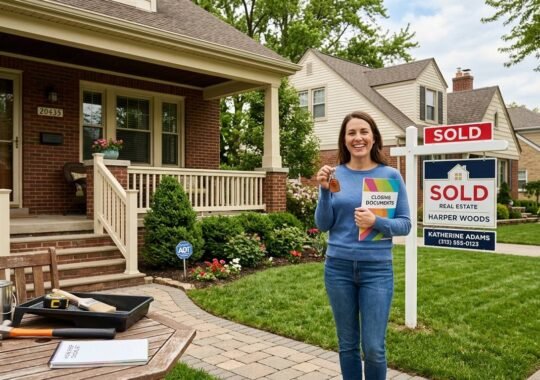
Postcards remain useful because they reach homeowners at the address tied to the farm. A strong card should have a clear headline, local proof, a short message, and one easy next step. The design should help the reader grasp the point in a few seconds. Just-sold cards can show that buyers have an interest in the area.
Market update cards can explain recent sale prices, average days on market, or demand trends without heavy industry terms. Home value cards can prompt a resident to request a personal estimate when curiosity starts to build. Consistency matters more than one perfect card. A homeowner may ignore the first mailer but remember the fifth one after a nearby sale. A regular schedule helps an agent become familiar without pressure.
Add Door Hangers For Block-Level Reach
Door hangers can help agents reach a specific street with a direct and visible message. They work well for open house reminders, nearby property updates, home value prompts, and community notices. Their physical placement gives the message a strong local feel. A door hanger should stay simple and focused. The headline should explain the reason for the note right away.
A QR code, contact details, and one clear action can make the piece easy to use. This format suits routes near a recent sale or an upcoming open house. Agents can focus on blocks with similar homes, strong buyer interest, or owners who may value a local market update. That precision helps the message feel relevant to the actual household.
Mix Print Pieces With Strong Local Proof
Print materials can support recognition when each piece has a clear purpose. A postcard can share quick market facts, while a flyer can give more details about a property or open house. A yard sign can create street visibility, and a business card can support face-to-face contact.
Helpful print pieces may include:
- Just-sold postcards
- Open house cards
- Market update mailers
- Door hangers
- Property flyers
- Yard signs
- Sign riders
- Business cards
Each piece should feel connected through the same name, photo, contact details, and visual style. That consistency helps homeowners connect each touchpoint to one agent. Local proof, such as nearby sale data or buyer demand, makes the material feel more credible.
Share Updates That Feel Worth Reading
Local updates work well when they give homeowners information they can use. Agents can share recent sale prices, buyer interest, seasonal prep tips, or simple market shifts in the area. A short explanation of what changed and why it matters can be more useful than a crowded report. Community details can also add warmth to a farm plan.
School dates, charity events, neighborhood reminders, and local service notes can make outreach feel less transactional. These touches should still match the area and the audience. Message variety keeps the farm from feeling repetitive. One month may feature sale activity, another may offer home prep advice, and another may share a value review prompt. That rhythm helps the agent stay visible without repeating the same angle.
Pair Mail With Digital Follow-Up
Direct mail can create awareness, while digital contact can continue the conversation. Email, text, and local online ads can support the same message seen on postcards or door hangers. The experience should feel connected from the mailbox to the phone screen. An email can expand on a postcard with more detail about recent sale activity.
A text message may fit an open house reminder when contact permission and preferences are clear. Local ads can reinforce the same name and message seen on the farm. Digital contact should keep the same neighborhood focus. The message should still relate to the local area, property type, or homeowner concern. That connection keeps the campaign useful rather than generic.
Smart real estate farming works best when agents focus on one area with care, patience, and useful information. Homeowners respond to messages that feel local, clear, and connected to their real concerns. The best real estate marketing software can support that effort when it keeps mail plans, contact records, and follow-up tasks easy to manage. A thoughtful farm plan gives agents a practical way to earn trust before a homeowner needs real estate help.