Table of Contents
- Sustainable Materials
- Energy-Efficient Designs
- Advanced Technology Integration
- Aesthetic Enhancements
- Weather-Resistant Solutions
- Cost Considerations
- Conclusion
Keeping up with the latest advancements in residential roofing can help homeowners make smarter investment choices for their properties. From boosting energy efficiency to embracing sustainability, new options are transforming the way homes are protected and styled. Advancements in Roof Installation practices not only address environmental concerns but also deliver innovative solutions that balance functionality and curb appeal.
Understanding these emerging trends can help you make informed decisions, whether you are planning a full reroof or simply considering upgrades to your existing system. As roofing technology and design expectations evolve, it is worth exploring which materials, technology, and design concepts could provide lasting value for your home. For those in need of replacing an older or damaged roof, learning about best practices and the benefits of a timely Roof Replacement can also play a crucial role in protecting your investment and ensuring safety for your household.
Sustainable Materials
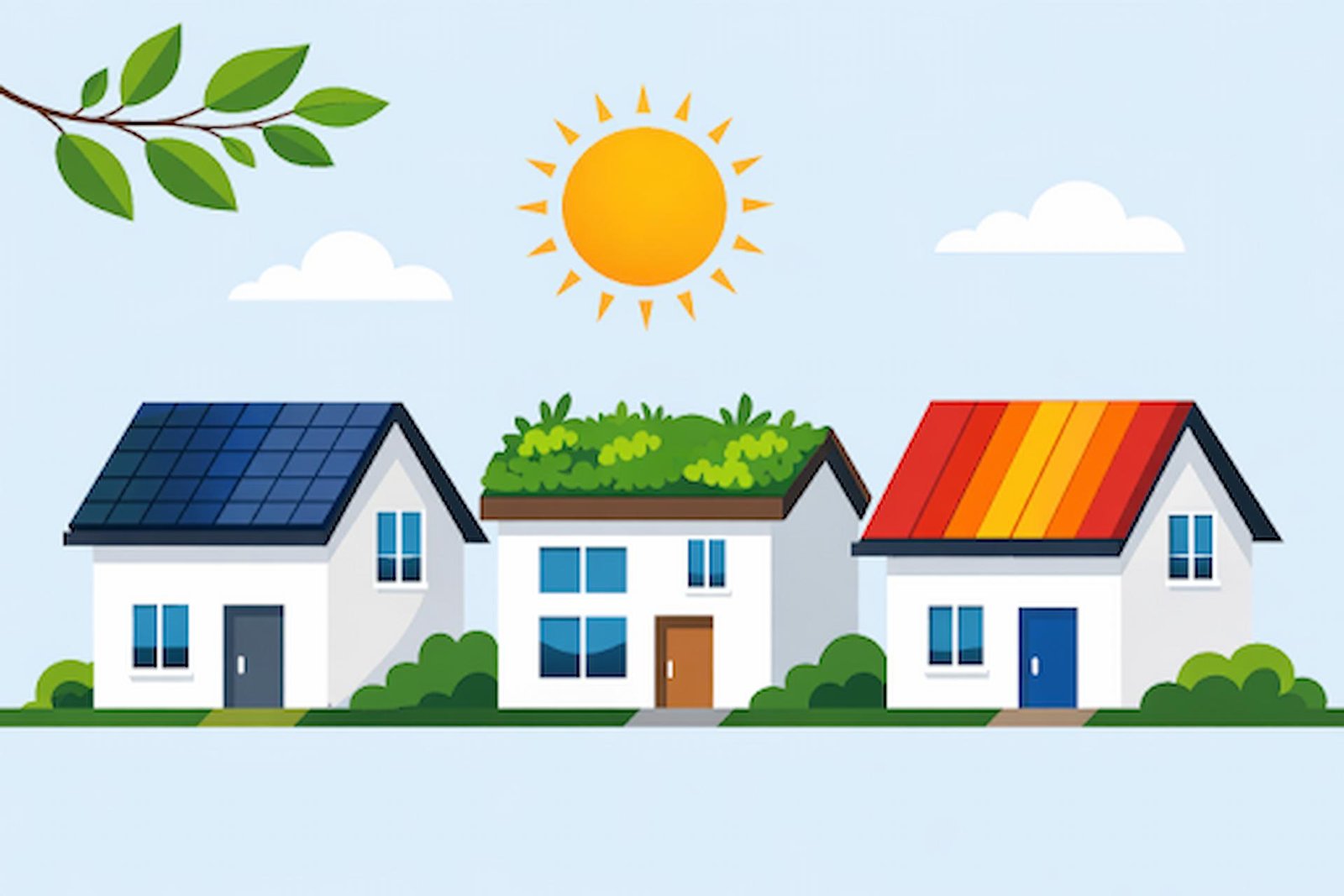
As homeowners’ climate awareness rises, sustainable roofing materials have moved to the forefront of the industry. Modern roofing options include recycled asphalt shingles, metal roofs made with recycled content, and composite tiles produced using post-consumer waste. These materials limit landfill waste and resource depletion while also being designed for durability and aesthetic variety.
Additionally, natural materials like clay, slate, and wood remain popular for their longevity and minimal environmental impact when sourced responsibly. Green roofing (living roofs) is emerging in some regions, providing benefits such as stormwater management, urban biodiversity, and additional insulation.
Energy-Efficient Designs
One major focus in new roof installations is energy efficiency. Cool roofs, made with highly reflective materials, lower the absorption of solar heat, keeping homes cooler and reducing the demand on air conditioning systems. This can translate to measurable energy cost savings and increased comfort within the home environment. Solar shingles are an integrated solution that combines traditional roofing materials with renewable energy generation. By blending directly into the roof surface, solar shingles allow homeowners to generate clean, sustainable energy without installing large, cumbersome panels on their homes.
Advanced Technology Integration
Digital innovation is changing how roofs are monitored and maintained. Smart roofing systems now feature sensors that monitor moisture levels, temperature fluctuations, and wear patterns in real time. This technology can alert homeowners or contractors to minor issues before they escalate into costly repairs. Drones are also enhancing the safety and accuracy of roof inspections by capturing detailed imagery and generating reports. These data-driven approaches enable more precise planning for repairs, insurance claims, and routine maintenance, giving homeowners greater peace of mind about their roof’s health.
Aesthetic Enhancements
Roofing design is no longer purely about function. Today’s homeowners are choosing bold colors, architectural shingles, and specialty finishes to complement their house’s exterior. Materials such as terracotta tiles or custom metal panels offer unique finishes and can be tailored to achieve architectural harmony or make a striking visual impression. Complex patterns, multiple color blends, and even roof gardens are contributing to roofs becoming statement pieces. Aesthetic enhancements are ideal for boosting curb appeal and adding value, especially in competitive real estate markets.
Weather-Resistant Solutions
Extreme weather events are prompting a shift toward more robust, weather-resistant roof systems. Class 4 impact-rated shingles, designed to endure severe hail and wind, are now favored in areas prone to intense storms. Other advancements include underlayments that offer superior waterproofing and breathable membranes to reduce damage from trapped moisture. Choosing roofing materials rated for your specific climate is critical for maximum resilience and can even lead to insurance savings in high-risk regions. The upfront investment in impact-rated or wind-resistant roofing can prevent costly repairs or premature replacements later.
Cost Considerations
Innovative roofing solutions often have higher initial costs than traditional methods. However, the longevity, energy savings, and potential insurance discounts they bring can offset upfront costs over time. Homeowners are encouraged to look at lifetime value, not just sticker price, when selecting their new roofing system. Tax incentives or rebates may also be available for energy-efficient or environmentally responsible choices. Consulting local regulations and financial programs before committing can help you access these savings while making future-proof decisions for your property.
Conclusion
Awareness of the latest trends in residential roofing helps homeowners select solutions tailored to their needs, budget, and environmental values. By exploring sustainable options, energy-saving concepts, advanced technologies, and design upgrades, you can enjoy a roof that combines long-term reliability with modern appeal. The right roof choice protects your home, supports energy conservation, and elevates your property’s visual and market value for years to come.