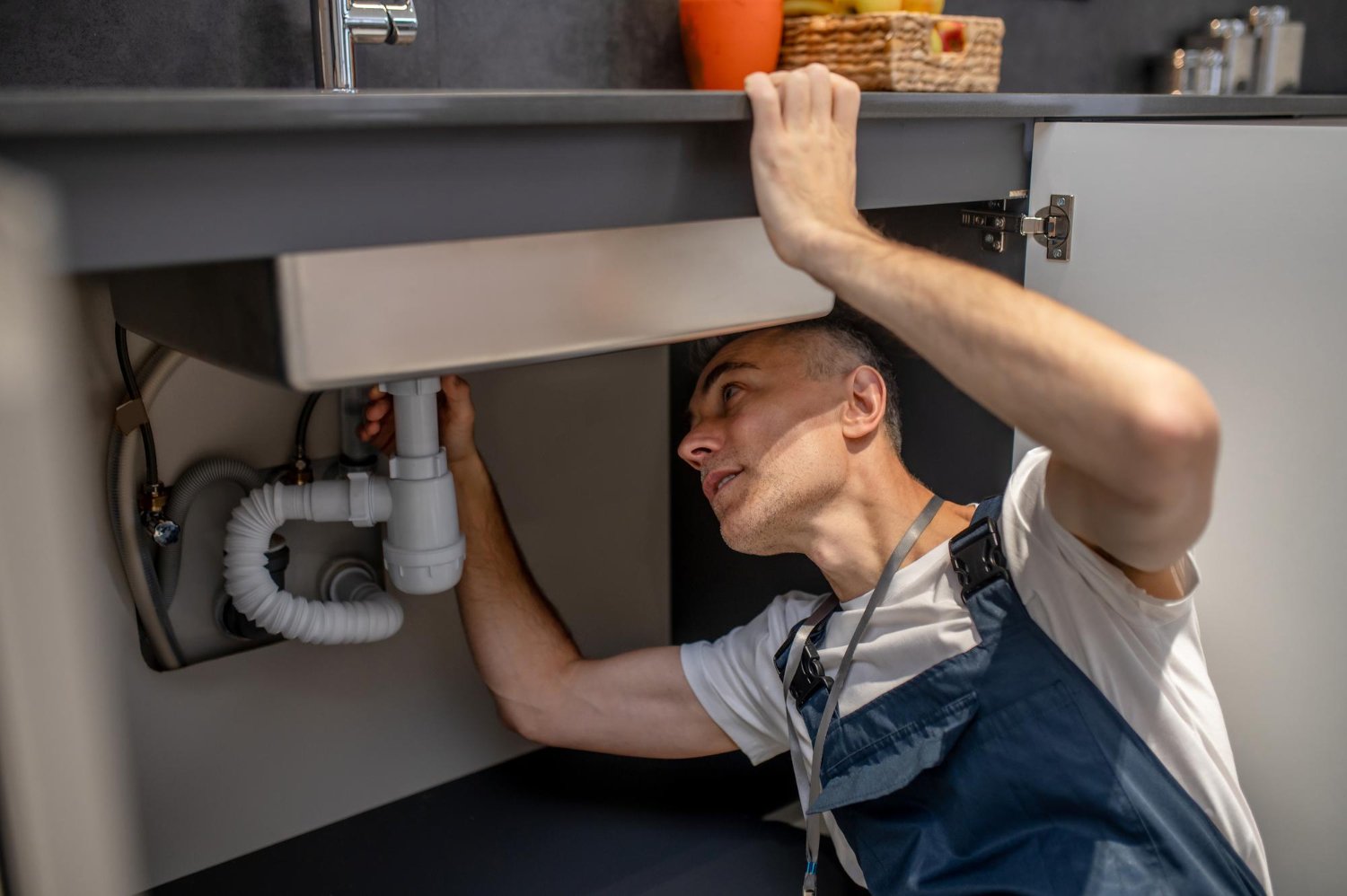
That tiny drip under your kitchen sink? It probably feels like a problem for next weekend. Maybe the weekend after that. The trouble is, your pipes don’t care about your schedule, and “next weekend” has a way of turning into a $4,000 repair, a ruined subfloor, and a very stressful phone call.
Small plumbing issues are one of the most consistently underestimated threats in the average home. Not because homeowners don’t notice them, but because they look minor right up until the moment they aren’t. This piece breaks down exactly what’s happening while you wait, what it’s actually costing you, and how to catch problems before they spiral.
The Silent Waste Happening Right Now
Most people assume their water bill is a fixed reflection of what they use. It isn’t. A dripping faucet, a toilet that runs for a few seconds after flushing, a slow seep around a supply line fitting — none of these look dramatic. But add them up over a year, and your home is quietly bleeding water and money.
According to the U.S. Environmental Protection Agency’s WaterSense program, the average family can waste 9,400 gallons of water annually from household leaks — equivalent to the water needed to run more than 300 loads of laundry. That number almost certainly surprises you, because the leaks causing it are invisible most of the time. A toilet flapper that doesn’t seat properly. A showerhead connection that weeps overnight. A pinhole drip in a supply line inside a cabinet you never open.
The EPA also reports that household leaks waste approximately 900 billion gallons of water annually nationwide — equal to the annual water use of nearly 11 million homes. That’s not a rounding error. That’s a full-scale infrastructure problem originating inside ordinary kitchens and bathrooms. You can read the EPA’s WaterSense statistics directly on their official site.
The practical point: if your water bill crept up over the last few billing cycles and you haven’t changed your habits, start looking under sinks and behind toilets before you call the utility company.
Why Homeowners Wait — And What It Actually Costs
Delaying a plumbing fix isn’t laziness. It’s a pattern backed by real financial anxiety, and it’s practically universal. The decision usually sounds like: “It’s not an emergency yet.” That logic is expensive.
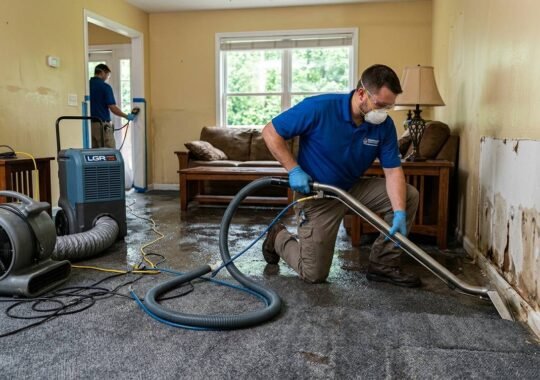
A 2026 survey of 1,001 U.S. homeowners found that homeowners wait an average of one month before addressing a minor plumbing or HVAC issue. One month is long enough for a slow pipe joint leak to saturate insulation, introduce mold to a wall cavity, and compromise the structural integrity of whatever’s behind your drywall. The same survey found that 64% of homeowners thought their issue wasn’t serious when they first noticed it, and 56% of those issues went on to get worse.
That’s the pattern. Notice something small, decide it isn’t urgent, wait, and then deal with a larger problem. SupplyHouse’s survey found that homeowners who acted within a week of noticing a plumbing problem paid an average repair cost of $380. Waiting inflated that number significantly. The full report on delayed repair costs is worth reading at Yahoo Finance’s coverage of the 2026 SupplyHouse study.
“A clogged drain or a leaky faucet may not seem like a big deal, but when left unchecked, these minor problems can turn into costly disasters.” — SupplyHouse, 2026 Homeowner Plumbing and HVAC Survey, which tracked 1,001 U.S. homeowners on their repair delay habits and the financial consequences.
The math is ruthless. Waiting a week costs you $380. Waiting three months might cost you the subfloor.
The Insurance Picture Is Worse Than You Think
If you’re counting on your homeowners insurance to cover whatever goes wrong, read the fine print carefully. Between 2019 and 2023, approximately 22.6% of home insurance claims were due to water damage or freezing, second only to wind or hail damage, with the average claim for water damage or freezing costing over $15,000. Water damage is the most common claim type that’s actually preventable through routine home maintenance.
But here’s the catch most people learn too late: insurers cover sudden and accidental damage. A burst pipe that floods your basement overnight? Covered. A slow leak from a supply line you ignored for four months? Often denied, on the grounds that the damage was gradual and preventable. The word “gradual” in an insurance denial letter is a word that costs homeowners thousands of dollars out of pocket.
You can check This Old House’s breakdown of water damage statistics for a solid overview of what insurers track and what coverage gaps look like across the country.
The distinction between “sudden” and “gradual” is the reason that fixing small plumbing problems promptly isn’t just about avoiding a bigger repair. It’s about making sure you stay on the right side of your own policy. If a pipe eventually lets go after months of a slow drip you knew about, your insurer is going to ask questions.
The 3-Day Plumbing Audit: A Practical Framework
You don’t need to hire anyone or buy special equipment to catch most plumbing problems early. The 3-Day Plumbing Audit is a simple room-rotation approach that most homeowners can complete in 15 minutes a day.
Day 1 — Kitchen and Laundry: Open every cabinet under the kitchen sink. Look at the supply lines and the p-trap for moisture, discoloration, or mineral crust. Pull out your washing machine a few inches and check the hoses at both ends. Feel them for stiffness or cracking. Look at the floor drain in the laundry room for slow drainage.
Day 2 — All Bathrooms: Flush every toilet and watch whether it runs for more than 10 seconds after the tank refills. That extra run is a flapper problem that wastes gallons a day. Press the floor around the base of each toilet with your foot. Soft, spongy flooring around a toilet base means water has been getting somewhere it shouldn’t. Check under every sink the same way you did in the kitchen.
Day 3 — Basement, Crawl Space, and Water Heater: Look at every visible pipe joint for white mineral deposits or rust staining. Both are evidence of past or present moisture. Check your water heater for corrosion around the base and at the inlet and outlet connections. Look at your main shutoff valve. Know where it is and confirm it actually turns. Homeowners who don’t know where their shutoff is lose tens of thousands of dollars in water damage every year simply because they couldn’t stop the flow fast enough.
After Day 3, you’ll have a clear picture of what needs attention and what can wait. Anything that shows active moisture gets addressed within a week. Anything that shows past evidence of moisture gets evaluated by a professional within 30 days.
When to Call Instead of Wait
Some situations genuinely can’t wait for a scheduled appointment. A pipe that’s actively spraying water, a drain that’s completely backed up with sewage, or a water heater making a popping or rumbling sound under pressure — these are calls you make now. Knowing that distinction ahead of time, before you’re standing in a flooded bathroom, is what separates a contained fix from a catastrophe.
If you’re in the Des Moines or surrounding Iowa area and an issue turns urgent, reaching an emergency plumber quickly is the move that limits your damage, your insurance complications, and the final repair bill.
Most plumbing problems give you a window. They start small, they stay small for a while, and then they don’t. Your job is to act during that window, not after it closes. A 15-minute check this week might be the difference between a $40 fix and a $15,000 insurance claim — if you’re even covered at all.