
Many e-commerce companies focus on conversion rates, advertising expenses, and abandoned carts. However, the metric that actually diminishes their profits is related to their warehouse operations, not their sales funnel.
Although the boardroom is not as interested in order accuracy as it is in customer acquisition costs and revenue per visitor, a mispicked product leads to numerous hidden costs that rarely get calculated. Moreover, the negative impact on long-term revenue is more severe than the initial costs.
The Math Behind a “Good” Accuracy Rate
A 95% order accuracy rate sounds reasonable. Put another way: Fifty out of every 1,000 customers get the wrong item. And that’s 50 return shipments, 50 restocking labor charges, 50 replacement orders, and 50 customer service interactions. Now, apply that sort of volume during a peak season and the added costs can surge. What’s more, many retailers only consider the error’s direct logistics expense when tallying costs. They fail to include the customer who doesn’t call support, because they won’t be back. In a consumer survey by Oracle, 84% report that they won’t return to make a second purchase following a single bad delivery. There’s no incentive that will bring those customers back online.
Automation as a Structural Fix, Not a Luxury
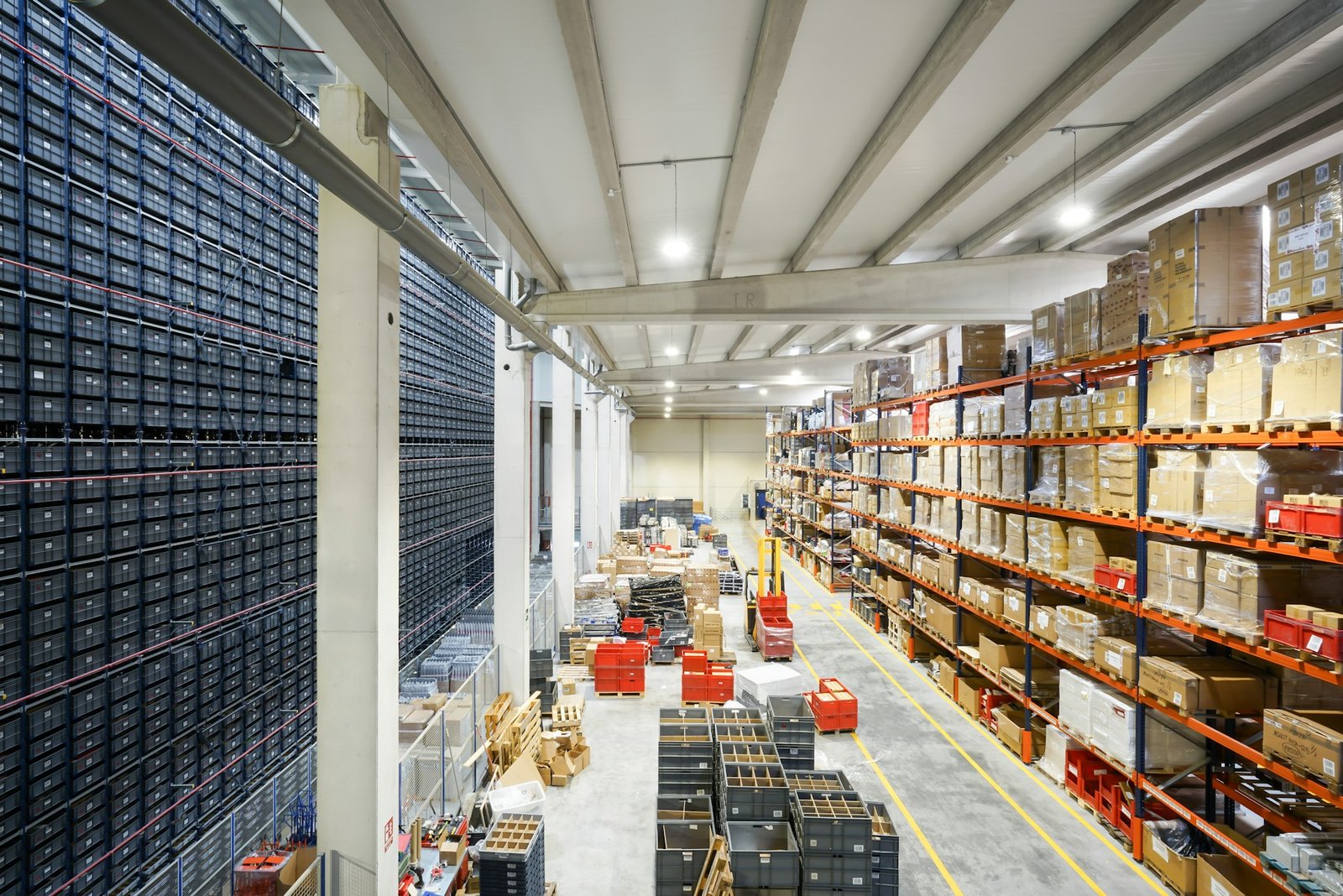
Shifting from manual picking to robotic-assisted fulfillment eliminates the fatigue element. Automated Storage and Retrieval Systems automatically deliver the right item to the packing station. Warehouse Management Systems confirm picks in real time and detect discrepancies immediately. The wrong item is not packed because the ASRS and WMS processes do not cut corners. This combination of technologies can drive accuracy rates up to 99%-plus since they are consistent and operating without fatigue.
For new and smaller brands, the objection to this reality is typically capital. You can’t outfit or retool a warehouse, let alone the tech capabilities that would need to pair with such physical automation on the order of millions of dollars. So, most brands in that $5M to $30M revenue range simply cannot afford to implement the level of automation that Amazon and other titans are deploying. This is exactly the counter-argument for why you should not be trying to do it all yourself and instead be looking to outsource the work to a Robotics Powered 3PL SKUTOPIA who has made the investment.
How Inaccuracy Destroys Customer Lifetime Value
It costs a lot to acquire a new e-commerce customer. You need them to make several purchases before you recoup those expenses. One of the easiest ways to ensure that happens is to simply give them what they ordered. A wrong first order doesn’t just lose a sale, it loses a customer. And the trust that takes months of marketing to build can break on one bad unboxing moment.
Worse, a percentage of those customers leave reviews. Negative feedback about receiving wrong items is highly visible and specific. It signals a systemic problem to prospective buyers in a way that generic complaints don’t, and it costs far more to counter than it cost to prevent.
Where Manual Picking Hits its Ceiling
Most mistakes are made during the pick-and-pack phase. When a warehouse worker pulls items from the shelves based on a paper list or a basic handheld device, they are operating in an environment that has been optimized for reasonable throughput, not for an extreme level of precision.
Manual systems have a natural precision threshold, and that threshold is hit immediately under stress. When a company is going through a peak promotional period, a major sales event, a holiday season, a product launch, order numbers go through the roof, staff are at breaking point, the pick faces become more congested, and the likelihood of picking the wrong SKU when several similar products are ordered rockets. Essentially, the times you most need to get orders right for customer acquisition is the time when a manual system is bound to let you down.
Barcode validation at the packing station does weed some of this out, but only if it is being used every time. A shift-weary individual missing out the scan stage at the end of a long shift is the kind of bottleneck that no process document can guarantee won’t happen.
What to Actually Look For in a Fulfilment Partner
If you’re evaluating 3PL options, storage and shipping fees are the easy part of the conversation. The harder questions are about tech stack and verification processes.
Does the facility use a WMS that gives you real-time inventory visibility? Is barcode validation built into the packing workflow for every order? What is their documented order accuracy rate, and how is it measured? A partner that can’t answer that last question precisely isn’t tracking it seriously.
Inventory shrinkage is another indicator. Unexplained stock discrepancies often trace back to mispicks that never got corrected, items that left the warehouse as the wrong product but were recorded as the right one. A 3PL with strong accuracy controls will have tight shrinkage numbers because the same systems that prevent mispicks also keep inventory records clean.
Order accuracy won’t appear in your marketing dashboard. It won’t show up in your weekly revenue report as a line item that demands attention. But it’s eating into the return on every customer you’ve worked hard to acquire, and fixing it is one of the few operational changes that improves both your cost structure and your customer retention at the same time.