

Understanding Private Water Wells and Plumbing and Water Systems
For homes relying on private wells, the entire water supply system operates as a complex, interconnected network, from the underground aquifer to the faucet. Understanding its fundamental components and how they interact is essential for any homeowner.
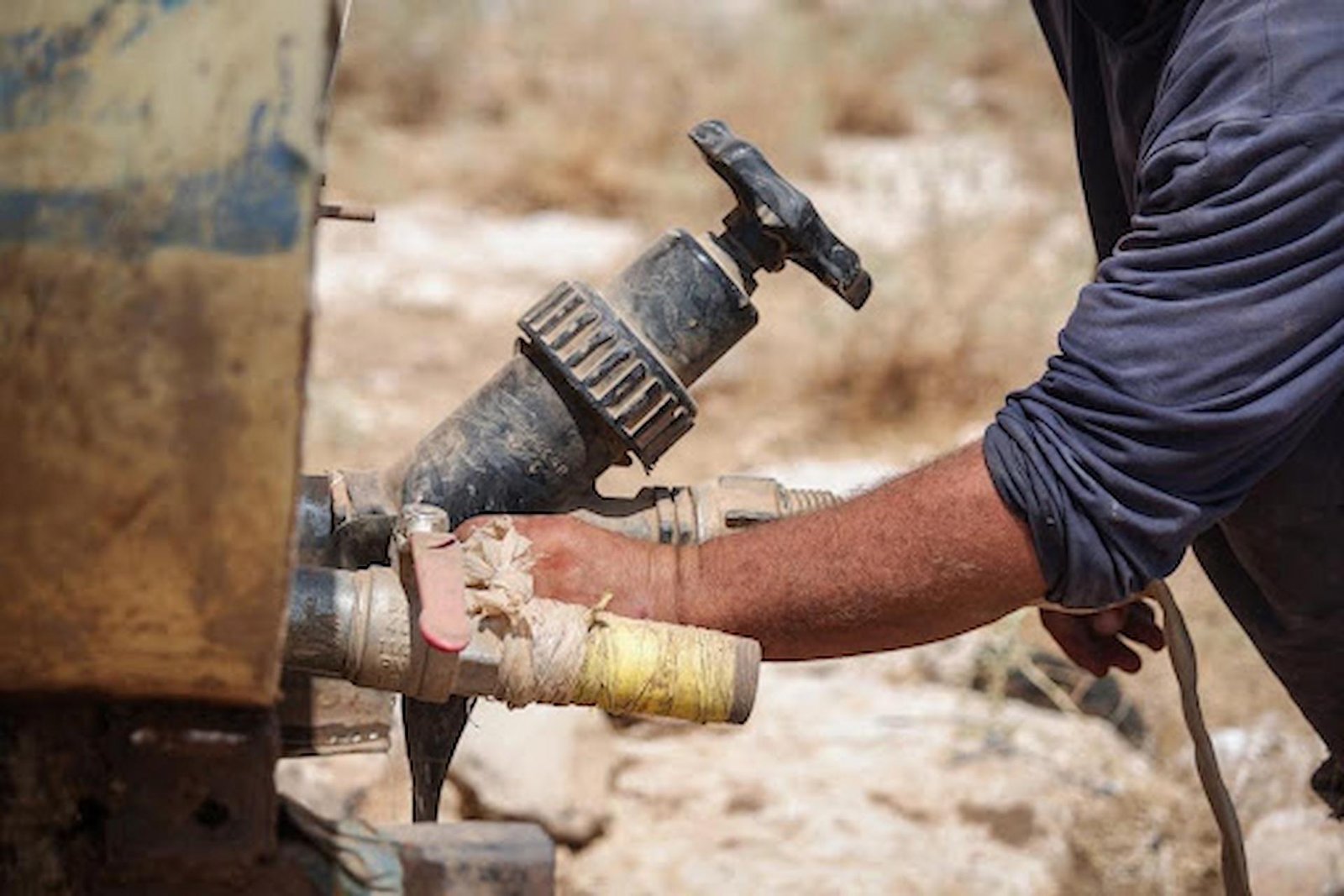
At the surface, we typically see the well head casing, which is the protective pipe extending above ground. This casing, often made of steel or PVC, prevents contaminants from entering the well. Below ground, a pitless adapter allows the water line to exit the well casing horizontally, below the frost line, eliminating the need for an old-fashioned well pit. The annular space around the casing is sealed with well grout, often made of bentonite clay, which creates a flexible, watertight barrier to prevent surface water infiltration. Finally, a well cap securely covers the top of the casing, keeping out debris, insects, and small animals. This entire setup forms the backbone of your home’s water delivery and plumbing infrastructure. For homeowners in Indiana, understanding the specifics of your well, including its construction and historical data, can be crucial. Resources like the Indiana Department of Natural Resources Water Well Record Database can provide valuable insights into your well’s history and characteristics.
Components of Private Plumbing and Water Systems
Delving deeper, the actual water collection begins with the well sieve, a screened section at the bottom of the well casing that filters out sediment while allowing water to enter. A submersible pump, located deep within the well, is connected to the home by a riser pipe, which carries the pumped water, and electrical wiring, which powers the pump. This wiring is typically secured to the riser pipe with specialized well tape. Once the water reaches the surface, it enters a pressure tank, which maintains consistent water pressure throughout the home and reduces the pump’s cycling frequency. A pressure switch monitors the system pressure, turning the pump on and off as needed to keep the tank adequately pressurized.
How Well Depth and Aquifers Affect Water Delivery
The performance and reliability of a well system are heavily influenced by its depth and the characteristics of the aquifer it draws from. Shallow wells typically access unconfined aquifers closer to the surface, making them more susceptible to surface contamination and seasonal water level fluctuations. Deep wells, conversely, tap into confined aquifers, which are often more stable and less prone to contamination, but require more powerful pumps.
Key terms like static water level (the natural level of water in the well when the pump is not operating) and drawdown (the drop in water level when the pump is running) are critical indicators of an aquifer’s health and the well’s capacity. A significant drawdown can indicate a low-producing well or an undersized pump. The well’s water yield, measured in gallons per minute (GPM), directly impacts how much water can be supplied to the home at any given time. Understanding these factors helps us determine the appropriate pump size and system configuration to meet a household’s specific water demands.
Common Well Pump Issues and System Vulnerabilities
Even with a robust system, well pumps and associated plumbing can encounter problems. Recognizing the early warning signs of trouble can prevent minor issues from escalating into costly emergencies.
Signs of Well Pump and Pressure Tank Failure
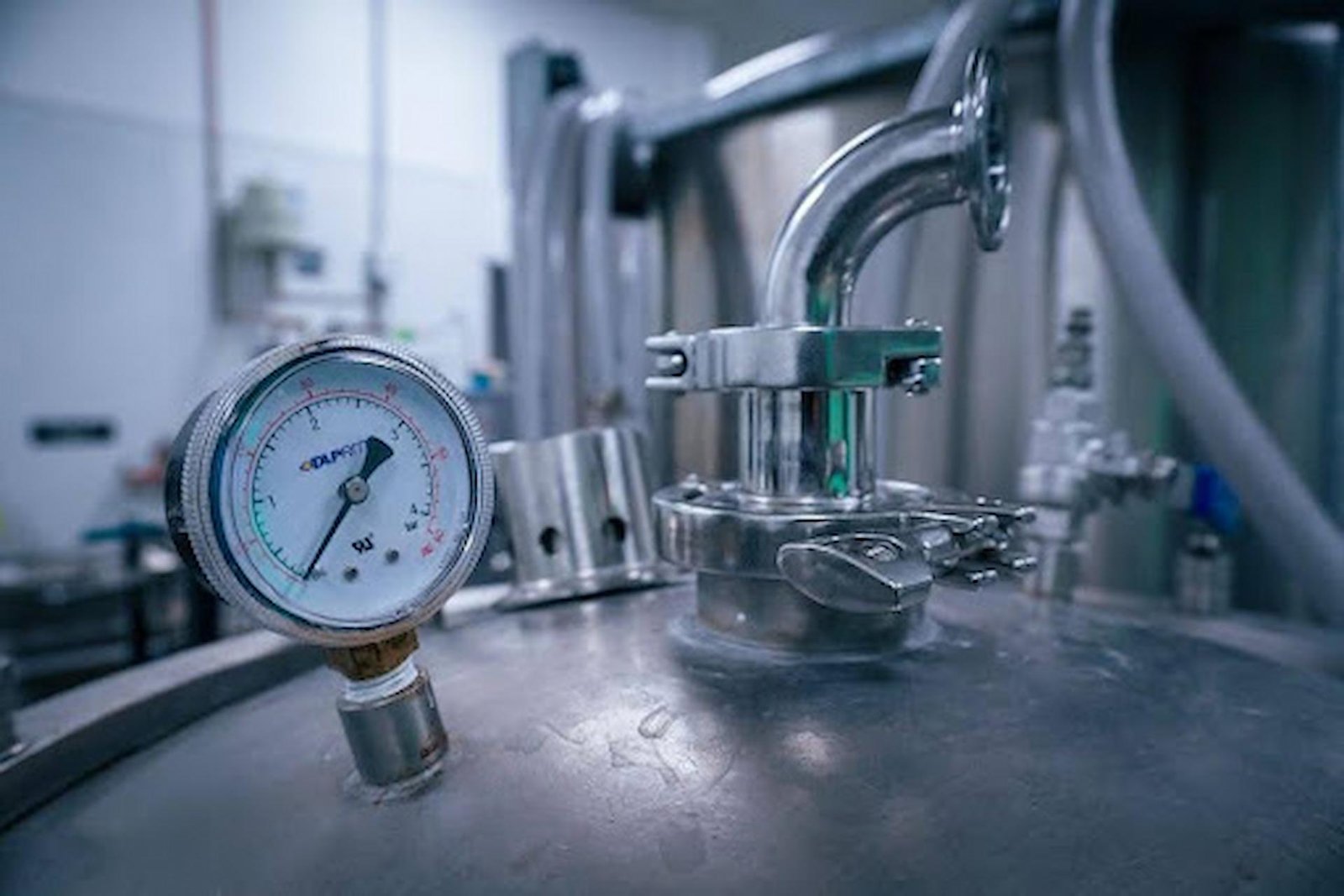
One of the most noticeable indicators of a problem is low water pressure or sputtering faucets, often accompanied by air in the pipes. This can suggest issues with the pump, pressure tank, or even a leak in the system. Discolored water, such as muddy or murky tap water, or a sudden change in water taste, can point to sediment buildup, a failing pump, or even contamination. A clicking pressure switch that cycles the pump on and off rapidly, a phenomenon known as short cycling, is a classic sign of a waterlogged pressure tank or a faulty switch. Over time, this constant cycling can lead to high electric bills and premature pump wear. Other signs include the presence of sediment buildup in fixtures, or a tank that feels heavy and full of water even when the pump is off, indicating bladder failure within the pressure tank. These symptoms collectively suggest that your well pump or pressure tank may be nearing the end of its operational life or requires immediate attention. For comprehensive support and expert diagnosis of these issues, a trusted service provider like Blair Norris well pump service can offer reliable solutions.
The Root Causes of System Malfunctions
Several factors can contribute to well pump and system malfunctions. Electrical issues, such as an electrical surge, can burn out a pump motor, rendering it inoperable. Over time, a pump’s intake screen can become clogged with sand, silt, or mineral deposits, restricting water flow and causing the pump to work harder. A worn impeller, the rotating component that moves water, will reduce pumping efficiency and pressure. Additionally, a failed check valve, which prevents water from flowing back into the well when the pump is off, can cause the pump to lose its prime and cycle excessively. Beyond mechanical failures, external factors like groundwater changes, well casing damage, or even environmental shifts can impact the longevity and performance of your entire well system.
The Hidden Risks of DIY Well and Pump Repairs
While the idea of saving money through do-it-yourself repairs can be tempting, attempting to fix well and pump systems without professional expertise carries significant risks.
Safety Hazards and Electrical Dangers
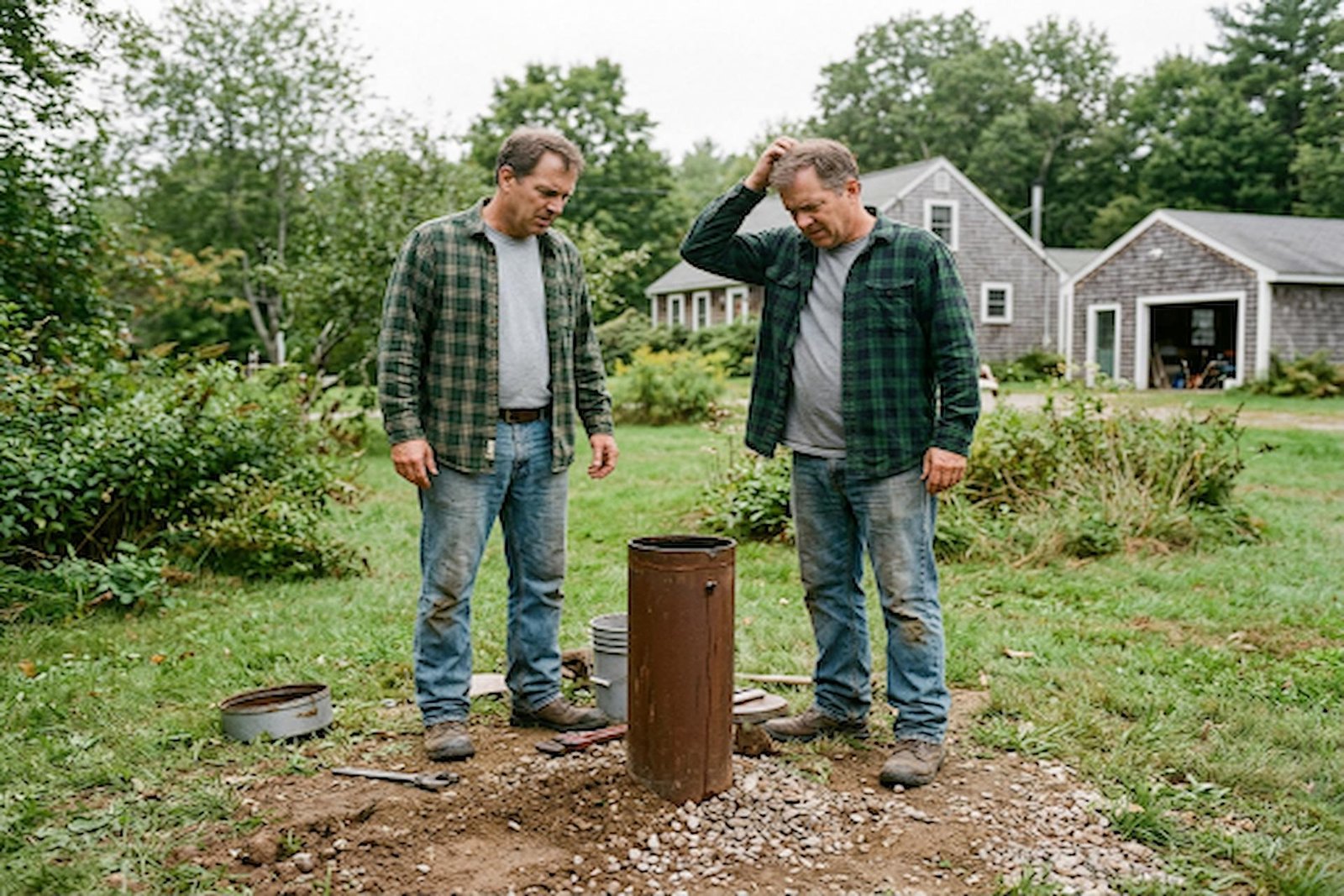
Working with well systems involves a combination of high voltage electricity and wet environments, creating a dangerous scenario for the untrained individual. Improper wiring can lead to severe electrical shock, while mishandling a pressure tank can result in a pressure tank explosion due to compressed air. Beyond electrical hazards, there’s the risk of physical injury from heavy equipment, the potential for borehole collapse during pump removal or installation, or the accidental dropping of a pump into the well, which can be extremely difficult and costly to retrieve. Specialized tools and specific knowledge are often required for safe and effective repairs, making DIY attempts not only ineffective but potentially life-threatening.
Regulatory Compliance and Property Value Risks
Beyond immediate safety concerns, attempting DIY well and pump repairs can lead to regulatory and financial repercussions. Many local building codes and state licensing requirements mandate that well and pump work be performed by licensed professionals. Failing to adhere to these regulations can result in fines, require costly re-work, and even invalidate homeowner’s insurance policies. Furthermore, if you plan to sell your property, unpermitted or improperly executed repairs can become a significant issue during property disclosures, potentially leading to real estate transaction failures or a reduction in your home’s market value. The Indiana State Department of Health Well Water Testing Guide, for instance, outlines important considerations for well owners, emphasizing the need for proper maintenance and testing, which often requires professional intervention. Entrusting these critical systems to qualified professionals ensures safety, compliance, and long-term peace of mind.
Selecting a Professional Service Partner for Plumbing and Water Systems
When it comes to the complex and critical nature of well and pump systems, choosing the right professional service partner is paramount. This decision impacts not only the immediate repair but also the long-term reliability and safety of your water supply.
Essential Credentials for Well Contractors
A reputable well and pump service company will always employ licensed technicians who are bonded and carry comprehensive liability insurance. These credentials protect you, the homeowner, from potential financial burdens in case of accidents or damage during service. We also look for contractors who prioritize continuing education for their teams, ensuring they are up-to-date with the latest technologies and best practices in the industry. Beyond basic licensing, certifications from industry bodies, such as NGWA certification from the National Ground Water Association, signify a higher level of expertise and commitment to professional standards. Always verify state license verification and seek out companies with positive customer reviews and transparent pricing structures. A company that offers robust emergency response, including 24/7 availability, demonstrates a strong commitment to customer service and understanding the urgency of water-related issues. The Indiana Ground Water Association is a valuable resource for finding qualified professionals in the region.
Advanced Drilling Technology and Clean Practices
Modern well and pump service extends beyond simple repairs to include advanced drilling technologies and environmentally conscious practices. Companies that utilize mud recycling systems, for instance, minimize water usage and waste during drilling operations. Focus on borehole stability is crucial to ensure the longevity and integrity of the well, preventing issues like collapse or contamination. Innovative equipment, such as Mud Puppy clean drilling systems, represents a commitment to environmental protection and efficiency, reducing the overall footprint of drilling projects. These advanced techniques not only ensure a more durable and reliable well but also contribute to minimal yard disruption, preserving your property’s aesthetics and reducing post-service cleanup. Choosing a contractor committed to these practices reflects a dedication to both quality workmanship and responsible environmental stewardship.
Blair and Norris: Your Trusted Central Indiana Provider
For homeowners in Central Indiana, ensuring a reliable and high-quality water supply is a top priority. A trusted partner like Blair and Norris stands out for their unwavering commitment to excellence in pump and well services.
As a family-owned business with decades of experience, we understand the unique needs of local residents. Our fleet of fully stocked trucks ensures that our licensed and highly trained technicians arrive prepared, often enabling a one-trip fix for many common issues. We pride ourselves on offering 24/7 emergency service, including holidays, because we know that water problems don’t adhere to a schedule. Our dedication to prompt, professional service is reflected in our strong community reputation and positive customer feedback, as evidenced by our Blair and Norris Google Reviews.
Comprehensive Well and Pump Solutions
We offer a full spectrum of pump and well solutions designed to meet every need, from initial installation to ongoing maintenance. Our services include expert well drilling, ensuring a properly constructed and productive water source from the start. We specialize in pump installation, whether it’s a new system or replacing an old one, always focusing on efficiency and longevity. Regular system maintenance is key to preventing unexpected breakdowns, and our comprehensive plans help prolong the life of your equipment. Beyond the mechanics, we also provide essential water testing to ensure the quality and safety of your drinking water, along with the installation and maintenance of filtration systems to address any specific water quality concerns.
Tailored Water System Upgrades: Good, Better, and Best Options
We believe in providing tailored solutions, offering a range of options from “good” to “best” to suit various budgets and performance requirements.
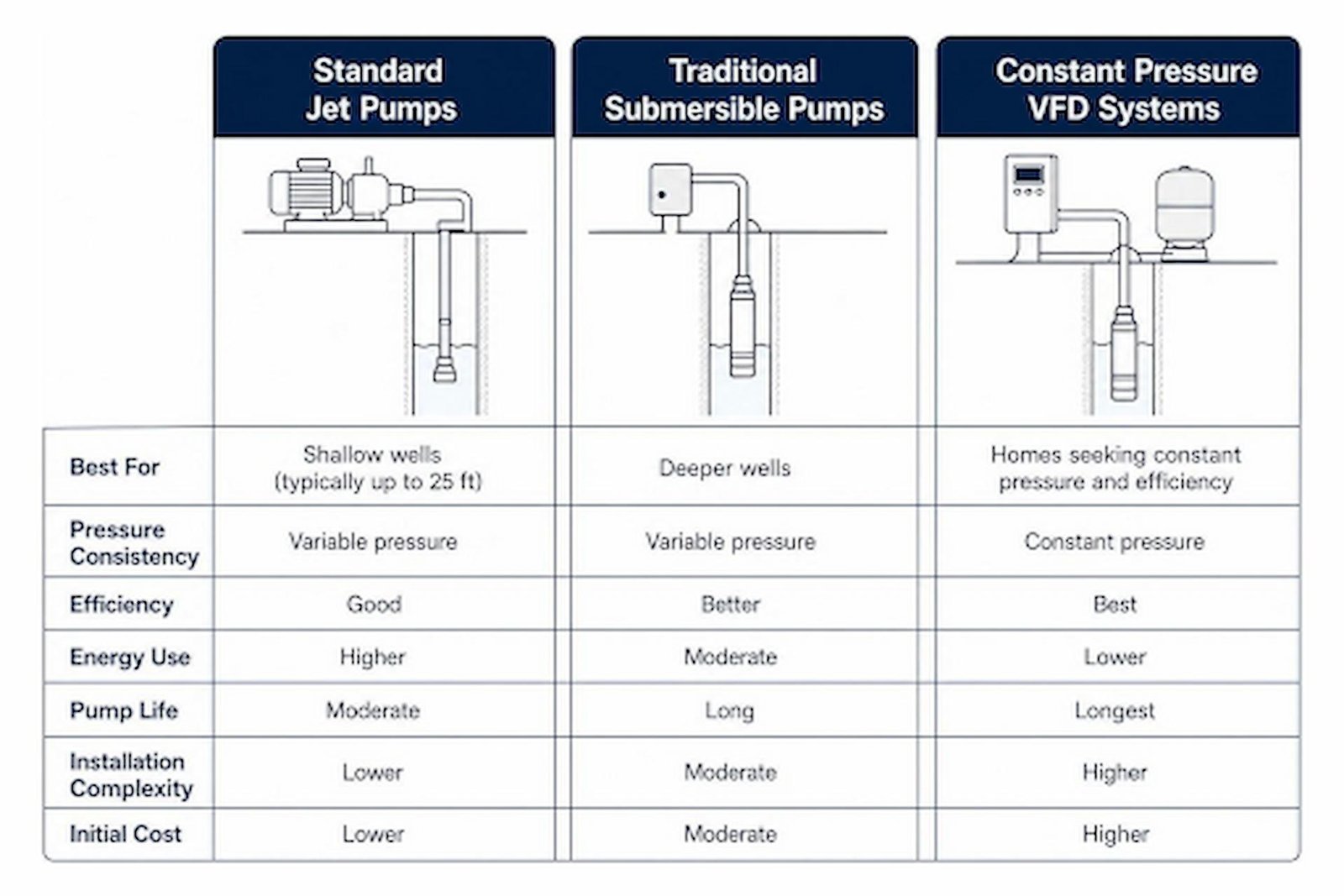
For basic needs, single-stage jet pumps offer an economical solution for shallower wells, while multi-stage submersible pumps provide more power and efficiency for deeper applications. For those seeking the ultimate in water pressure consistency and energy efficiency, we recommend variable frequency drive (VFD) systems. These advanced systems maintain constant water pressure throughout your home, regardless of demand, by adjusting pump speed. This not only enhances your daily water experience but also significantly extends the life of your pump by reducing wear and tear. We guide our clients through these options, helping them select the ideal system for their home and lifestyle.
Frequently Asked Questions about Well and Pump Services
We often encounter common questions from homeowners about their well and pump systems. Here, we address some of the most frequent inquiries to help you better understand your water supply.
What size well pump do I need for my home?
Determining the correct well pump size is crucial for efficient water delivery. A general rule of thumb involves considering your home’s fixture count and estimating your peak demand in gallons per minute (GPM). However, this is a complex calculation that also depends on factors like well depth, static water level, and desired pressure. We always recommend professional sizing to ensure your pump can adequately meet your household’s needs without overworking or underperforming. An undersized pump will struggle to meet demand, leading to low pressure, while an oversized pump can short-cycle, wasting energy and shortening its lifespan.
How often should I test my well water and service my pump?
We advise annual water testing to screen for bacteria (like coliform) and other potential contaminants. This helps ensure your drinking water remains safe. In terms of pump maintenance, a preventative maintenance check-up every 3-5 years is generally recommended. During these visits, technicians inspect the pump, pressure tank, and all connections, check the pressure switch, and look for any signs of wear or potential issues. Regular maintenance can identify small problems before they become major, costly repairs, and significantly prolong the life of your entire system.
What should I do if I suddenly have no water?
Experiencing a sudden loss of water can be alarming. First, check your electrical breaker for the well pump; sometimes a tripped breaker is the simple culprit. Next, inspect your pressure switch, which is usually located near the pressure tank, to see if it’s functioning correctly. If these basic checks don’t resolve the issue, it’s time to call for emergency service. While waiting for professional help, it’s wise to have an emergency water storage supply on hand for drinking and basic sanitation. Our 24/7 emergency services are designed to address these urgent situations promptly.
Conclusion
A well-maintained private water system is an invaluable asset for any homeowner, providing independence and a consistent supply of clean water. Understanding the components, recognizing the signs of trouble, and knowing when to call in the experts are all critical steps in safeguarding this essential utility. By prioritizing professional maintenance and timely repairs, you can ensure system longevity, avoid unexpected disruptions, and continue to enjoy reliable water delivery for years to come.
For comprehensive, dependable pump and well service in Central Indiana, we encourage you to contact Blair and Norris for an estimate. Our team is dedicated to providing the expertise and care needed to keep your water flowing smoothly.