Your kitchen is one of the hardest-working areas in your home. From refrigerators and ovens to sinks, garbage disposals, and dishwashers, its appliances and fixtures handle daily use that can lead to gradual wear. While some problems are obvious, others develop quietly. Learning to recognize early warning signs can help you address minor concerns before they become expensive repairs or disruptive breakdowns.
Your Appliances Are Taking Longer to Work
One of the clearest signs that your kitchen may need maintenance is a noticeable change in how your appliances perform. An oven that takes longer to heat, a dishwasher that struggles to clean dishes, or a refrigerator that seems to run constantly may be showing signs of wear.
Changes in performance do not always mean an appliance is about to fail. Sometimes the cause is a dirty component, restricted airflow, a worn part, buildup, or another issue that can be addressed through routine maintenance. However, ignoring the change can allow the underlying problem to worsen.
Pay attention to gradual changes rather than waiting for a complete breakdown. If an appliance that once worked efficiently starts requiring more time or repeated cycles to complete a task, make a note of when the problem began. This information can make it easier to determine whether maintenance or professional service is appropriate.
Look for Changes in Efficiency
Performance issues can also show up as increased energy or water consumption. If your kitchen appliances appear to be using more resources than usual without a change in your household habits, maintenance may be worth considering.
Regular inspections can help identify problems that reduce efficiency. Addressing these issues early can improve performance while potentially preventing additional wear on components.
You Notice Strange Sounds or Unusual Odors
Most kitchen appliances produce some noise during normal operation, but unfamiliar sounds deserve attention. Grinding, rattling, buzzing, clicking, squealing, or repeated knocking can indicate that a component is loose, worn, obstructed, or struggling to operate correctly.
Unusual odors are another warning sign. A persistent burning smell, musty odor, or unexplained electrical scent should not be dismissed as normal kitchen activity. Food spills and grease can certainly create unpleasant smells, but odors that continue after cleaning may point to a mechanical, electrical, or ventilation concern.
If a sound or smell is sudden, strong, or accompanied by smoke, sparks, excessive heat, or other hazardous symptoms, stop using the affected appliance and seek appropriate professional assistance. Continuing to operate a malfunctioning appliance can turn a manageable issue into a more serious one.
Water Is Appearing Where It Shouldn’t
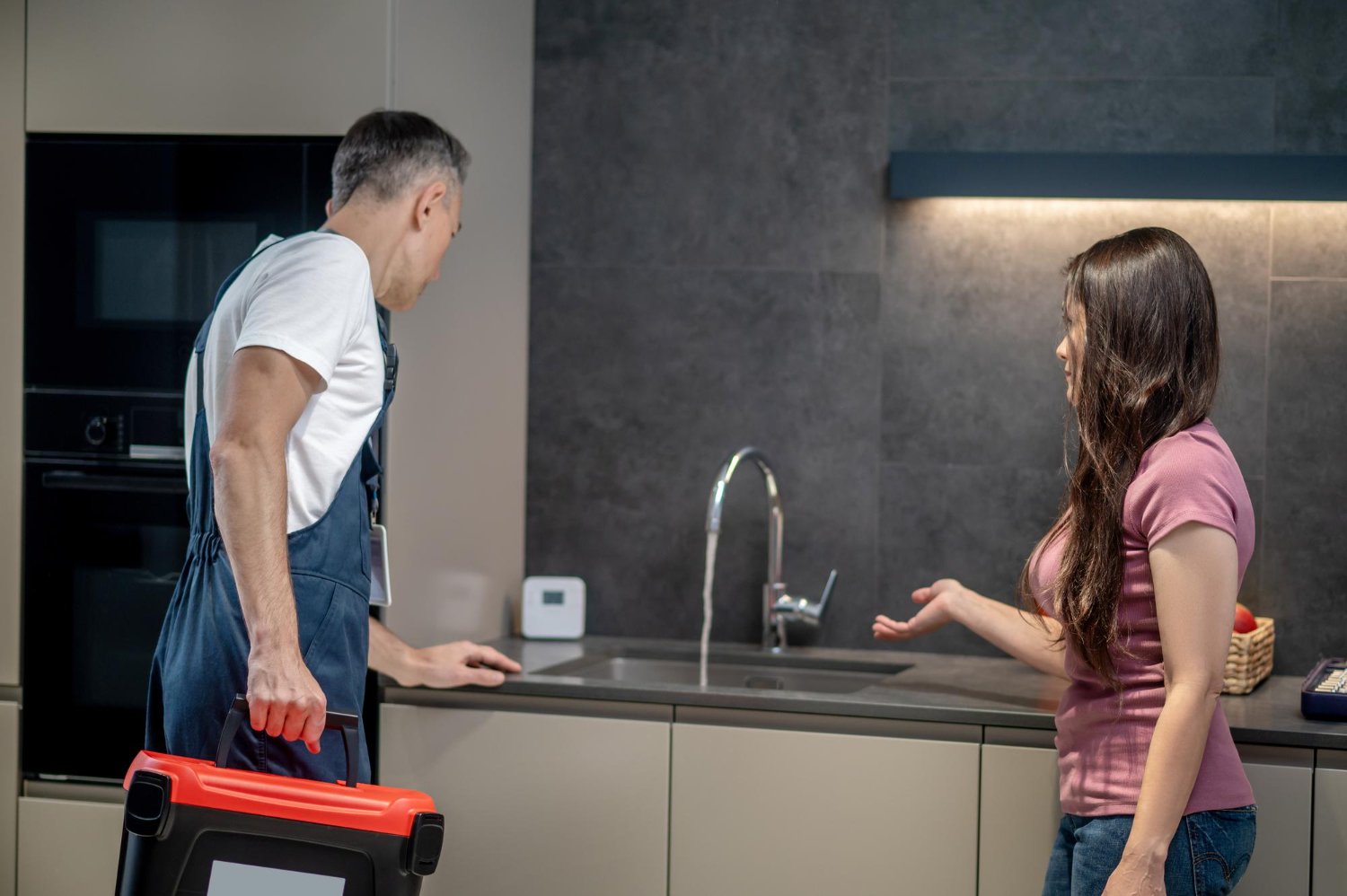
Water problems are particularly important in kitchens because leaks can damage cabinets, flooring, walls, and other surrounding materials. Check beneath sinks, around dishwashers, near refrigerators with water connections, and around other fixtures for moisture or unexplained puddles.
A small amount of water may seem harmless, but repeated leaks can gradually cause swelling, staining, deterioration, and unpleasant odors. Moist environments can also create conditions where mold and mildew become concerns.
Inspect Hoses and Connections
During routine cleaning, examine accessible hoses and connections for cracks, bulges, corrosion, or loose fittings. Look underneath the sink and around appliance connections rather than limiting your inspection to visible countertop areas.
Also watch for less obvious signs of water trouble, including warped cabinet bottoms, peeling surfaces, discoloration, or a musty smell. These clues may indicate that moisture has been present for longer than expected.
Your Refrigerator Is Not Cooling Consistently
A refrigerator should maintain a stable, appropriate temperature for food storage. If food seems to spoil faster than usual, items are freezing unexpectedly, or the interior temperature varies noticeably, the appliance may need attention.
Another potential warning sign is excessive cycling or a refrigerator that seems to run almost continuously. While operating patterns can vary, a significant change from normal behavior may indicate restricted airflow, dirty components, a failing part, or another maintenance issue.
Keep the area around the appliance reasonably clean and make sure food containers or other items do not block vents. If cooling problems continue despite basic maintenance, professional evaluation may help identify the cause before the appliance experiences a complete failure.
Your Oven or Cooktop Heats Unevenly
Uneven cooking can be frustrating, but it may also be a sign that a kitchen appliance needs maintenance. If one side of a dish consistently cooks faster than another, the oven takes unusually long to reach the desired temperature, or burners behave inconsistently, do not assume the issue is simply a cooking mistake.
Heating problems can develop gradually, making them easy to overlook. A small change in performance may become more noticeable over time as components wear or buildup accumulates.
Pay Attention to Temperature Changes
If cooking times are becoming unpredictable, consider whether the appliance is maintaining the expected temperature. Repeatedly adjusting settings to compensate for inconsistent heating is a sign that something may require inspection.
Do not attempt to repair gas or electrical components without the appropriate knowledge and safety precautions. For persistent performance problems, professional appliance repair in Ogden, UT, can help determine whether the issue is caused by a worn component, electrical problem, heating element, or another fault.
Your Dishwasher Leaves Dishes Dirty
A dishwasher that no longer cleans effectively may need maintenance rather than immediate replacement. Food particles left on dishes, cloudy glassware, standing water, unpleasant odors, or unusually long cycles can all signal that something is interfering with normal operation.
Start by checking for simple maintenance concerns. Remove visible debris, inspect accessible filters according to the appliance’s instructions, and make sure spray areas are not obstructed. Proper loading can also make a difference because overcrowding may prevent water from reaching dishes effectively.
If cleaning problems continue after routine upkeep, there may be an issue with drainage, water circulation, heating, or another internal component. Addressing the problem early may prevent additional strain on the appliance.
Your Sink or Garbage Disposal Drains Slowly
A slow kitchen drain is easy to ignore because water may still eventually disappear. However, gradually worsening drainage can indicate a developing blockage. Grease, food particles, and other debris can accumulate inside plumbing over time, restricting water flow.
If your sink frequently drains slowly, backs up, or produces persistent odors, it may be time to investigate the cause. Avoid treating recurring drainage problems as a permanent inconvenience. A blockage that becomes more severe can eventually cause standing water or an overflow.
Watch for Multiple Drain Problems
Pay attention if more than one nearby fixture starts draining slowly. Multiple affected drains can suggest a broader plumbing issue rather than a problem isolated to one sink.
Routine care also matters. Avoid putting unsuitable materials down the drain, clean removable components regularly, and address recurring slow drainage instead of repeatedly relying on temporary solutions.
Your Kitchen Ventilation Is Not Working Well
Good kitchen ventilation helps control cooking odors, moisture, heat, and airborne particles. If your kitchen becomes unusually smoky, humid, or odorous while cooking, the ventilation system may not be working as effectively as it should.
Grease and dust can accumulate around ventilation components, reducing airflow over time. Check accessible filters and surfaces according to the equipment’s maintenance instructions, and keep surrounding areas free of excessive buildup.
Poor ventilation can affect more than comfort. Persistent moisture and grease can settle on nearby surfaces and contribute to buildup throughout the kitchen. Keeping ventilation equipment clean and functional is therefore an important part of overall kitchen maintenance.
Small Warning Signs Deserve Attention
Kitchen maintenance is not only about fixing obvious breakdowns. Often, the earliest clues are subtle: an appliance sounds slightly different, a refrigerator runs longer, a cabinet feels damp, or the sink drains a little more slowly than it used to.
Keeping track of these changes can help you identify patterns. Instead of waiting until several symptoms appear at once, investigate unusual behavior when you first notice it. Early attention can make repairs simpler and may reduce the likelihood of secondary damage.
A regular kitchen inspection does not have to be complicated. Every few months, look beneath the sink, check appliance performance, inspect visible connections, clean appropriate filters, and pay attention to unusual noises or odors. These small efforts can help keep your kitchen dependable and functional.
Conclusion
Your kitchen often gives you warning signs before a maintenance problem becomes a major repair. Slow drains, unusual noises, inconsistent temperatures, leaks, strange odors, and declining appliance performance should not be ignored. By checking these signs regularly and addressing problems early, you can protect your appliances, prevent additional damage, and keep your kitchen running safely and efficiently for years to come.