Key Takeaways
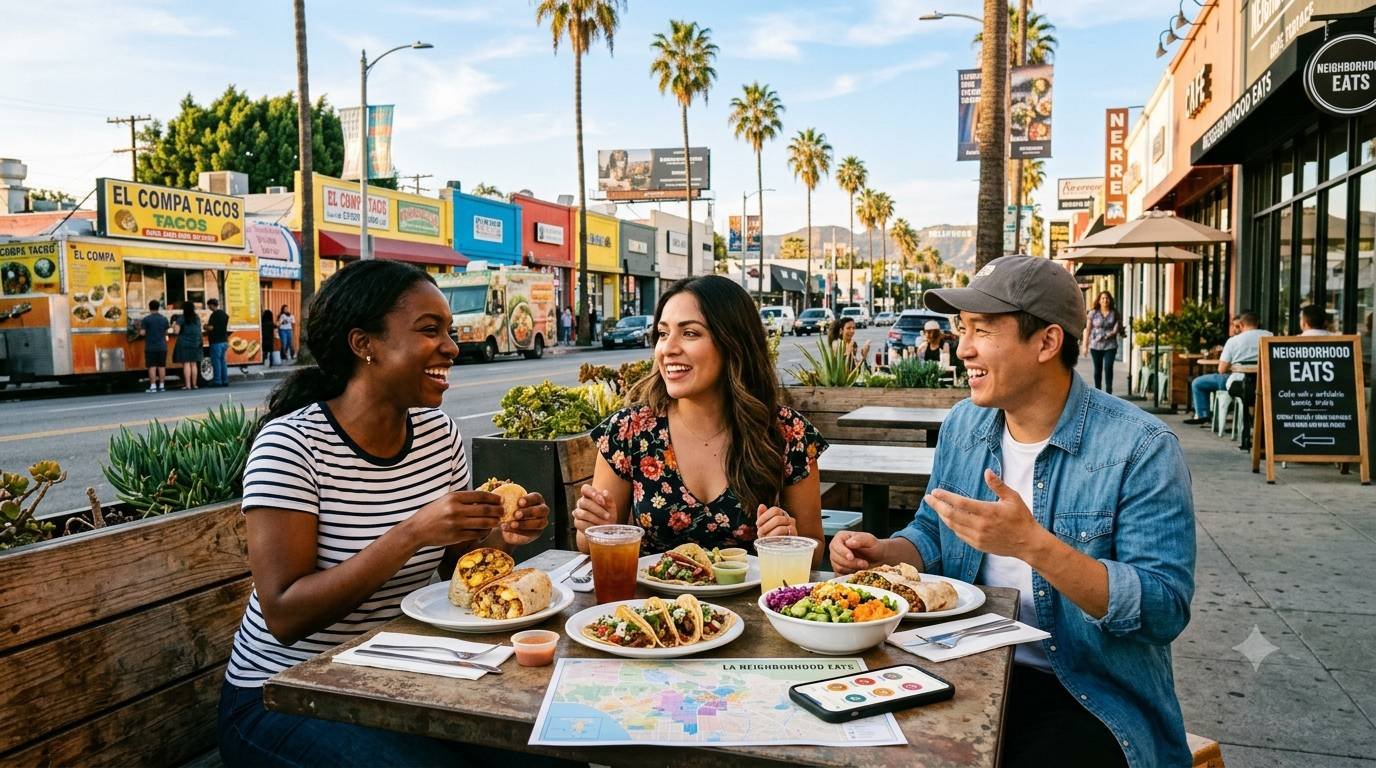
- Choose one main area instead of trying to eat across all of Los Angeles.
- Build the day around a clear purpose, such as a relaxed brunch, family outing, or special dinner.
- Mix affordable stops with one higher-cost meal to keep the budget comfortable.
- Confirm hours, reservations, parking, and travel time before leaving.
- Keep one nearby backup option and one part of the schedule open.
Los Angeles can deliver an excellent day of food, but only when the plan respects the city’s scale. Rather than chasing a long list of popular places, use a guide to the best restaurants in Los Angeles for inspiration, then narrow the choices to stops that fit naturally into a single route.
The goal is not to prove that you ate the most meals in one day. It is to create an outing that feels easy, memorable, and suited to the people at the table. When neighborhood, budget, mood, and timing work together, even a simple lunch and dessert can feel like a complete Los Angeles experience.
Why Planning Matters In Los Angeles
A restaurant that looks close on a map may be far away in real travel time. A plan that begins in Santa Monica, moves to Koreatown for lunch, heads to the Arts District for dessert, and ends in Silver Lake can turn into a day defined by traffic, parking, and rushed meals. A focused route gives the group more time to talk, stroll, browse, and actually enjoy what is on the plate.
Think of a food day as a neighborhood experience, not a citywide checklist. One great meal, one smaller stop, and a walkable activity usually creates a better memory than four disconnected reservations.
Choose One Main Area
Start with an anchor neighborhood that matches where everyone is coming from and how much time is available. Then choose food stops within walking distance or a short drive. Areas with coffee shops, bakeries, markets, parks, galleries, or bookstores nearby make it easier to create breaks without adding unnecessary travel.
Questions To Ask Before Choosing An Area
- How many hours does the group actually have?
- Will parking, public transit, or rideshare access matter?
- Does the group want a quick meal, a long afternoon, or a late dinner?
- Are there comfortable places to walk between stops?
- Can you name at least two backup restaurants nearby?
Simple Route Ideas
- Short outing: One meal, one dessert, and a nearby walk.
- Half-day plan: Coffee or breakfast, lunch, then an afternoon snack.
- Full-day plan: Brunch, a break, a casual bite, and one dinner reservation.
Match The Route To The Mood
The same neighborhood can work very differently depending on the occasion. Before choosing dishes, decide what kind of day you want. A birthday dinner needs a different pace from a solo afternoon or a casual visit with children.
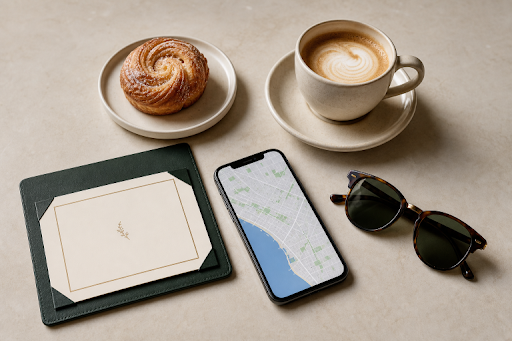
- Relaxed: Choose outdoor seating, a slower meal, and a coffee stop afterward.
- Social: Look for shareable dishes, flexible seating, and a central meeting point.
- Special: Reserve the main meal first, then keep the rest of the schedule light.
- Casual: Pick counter service, markets, food halls, or walk-up windows.
- Curious: Build the day around a cuisine, ingredient, or cooking style the group has not tried.
- Low-key: Choose one dependable restaurant and avoid overplanning.
Set A Food Budget That Works
Set a total amount before booking anything. Include tax, tip, drinks, dessert, parking, and rideshare costs, not just menu prices. A realistic budget prevents the final bill from deciding the mood of the day.
A Simple Budget Framework
- Choose the total amount available for the outing.
- Give the largest share to the meal that matters most.
- Set smaller limits for coffee, snacks, dessert, and drinks.
- Hold back a buffer for parking, service charges, or an extra order.
To control costs without making the day feel limited, make lunch the splurge meal, share starters or dessert, and pair a reservation with a stop at an inexpensive bakery or market. Seasonal prix-fixe menus can also make trying a new restaurant more predictable, especially when browsing the participating options for Dine LA Restaurant Week.
Build A Simple Food Day
Step 1: Pick The Main Meal
Choose the meal with the strongest purpose. It might be a birthday dinner, a brunch with visiting friends, or a long-awaited chance to try a particular cuisine. Book or plan this stop first.
Step 2: Add One Nearby Stop
Find a coffee shop, bakery, snack counter, market, or dessert spot close by. Keep it flexible, because a main meal may run longer than expected.
Step 3: Add A Real Break
A food day should not feel like a competition. Build in time for a park, a gallery, a bookstore, a scenic walk, or simply a quiet pause before the next stop.
Step 4: Create A Backup Plan
- Save one nearby choice for a long wait or missed reservation.
- Keep a second cuisine in mind for mixed preferences.
- Identify places that accept walk-ins or offer takeout.
- Make sure the backup has a similar price point and atmosphere.
Check The Details Before Leaving
Logistics can make or break a Los Angeles dining plan. On the day of the outing, recheck hours, menus, reservation policies, and parking instructions. If transit is part of the plan, use the trip planner for Metro service before you leave, since timing and connections can affect the entire route.
- Confirm opening hours and kitchen closing times.
- Review current menu prices and dietary options.
- Check for deposits, service charges, or minimums.
- Estimate travel time between every planned stop.
- Decide where to park or where rideshare pickup is easiest.
Use Current Dining Trends Wisely
Dining trends can be useful when they help you choose a format, not when they force the entire itinerary. Small plates, market-style grazing, all-day cafes, vegetable-forward menus, and compact tasting experiences can all work well when they match the group’s appetite and budget. Choose novelty only when it adds to the occasion.
Common Questions
How Many Restaurants Should A Food Day Include?
For most people, one main meal plus one or two smaller stops is enough. Treat any additional places as options rather than mandatory appointments.
Should A Food Day Start With Brunch Or Dinner?
Brunch suits a slower daytime outing. Dinner is usually better for celebrations, dates, and plans centered on one special reservation.
What Should Diners Do If A Restaurant Is Full?
Use the nearby backup you selected in advance. Crossing the city for a random replacement often creates more frustration than value.
Final Tips For A Better Food Day
- Plan around the people, not only the dishes.
- Book the hardest reservation first.
- Keep travel time realistic.
- Mix one splurge with lower-cost stops.
- Ask about portions before over-ordering.
- Leave at least one open block in the schedule.
A successful Los Angeles food day does not require a giant budget or an exhausting list of stops. It requires a clear idea, a workable route, and enough room to enjoy the unexpected. When the neighborhood, mood, cost, and timing align, the meal becomes part of the day rather than the only thing you have time for.