Edmonton winters place heavy demands on any home heating system. Extended periods of freezing weather mean a boiler must deliver steady heat, respond reliably and operate without placing unnecessary strain on household energy costs.
Both gas and electric boilers can provide effective hydronic heating, but they differ in performance, installation, maintenance and long-term value. The better choice depends on the property’s heating load, available utilities, electrical capacity and the owner’s priorities.
What Is a Gas Boiler?
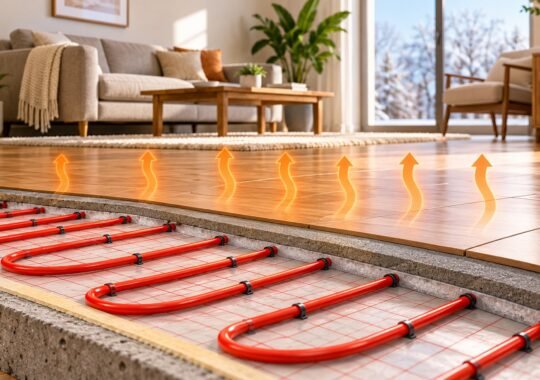
A gas boiler burns natural gas to heat water. The heated water circulates through radiators, baseboard heaters or in-floor heating pipes before returning to the boiler to be reheated.
Modern high-efficiency gas boilers can provide substantial heating output, making them suitable for larger homes and properties with significant heat loss. They are often considered where natural gas service is already available and the building requires dependable heating throughout Edmonton’s coldest months.
Advantages of a Gas Boiler
Gas boilers offer several practical benefits:
- Strong heating capacity for larger or less-efficient buildings
- Fast recovery when heating demand increases
- Compatibility with many existing hydronic systems
- Potentially lower operating costs than electric resistance heating, depending on current utility rates
- A broad selection of boiler sizes and configurations
However, gas systems require proper venting, a gas supply connection and combustion-safety measures. Installation is generally more involved than installing an electric boiler.
What Is an Electric Boiler?
An electric boiler uses electrical resistance elements to heat water. Like a gas model, it supplies heated water to radiators, baseboards or radiant-floor systems.
Because there is no combustion, an electric boiler does not need a gas line, chimney or conventional exhaust vent. Its compact size and quiet operation can make it attractive for smaller homes, additions and properties where installing gas infrastructure would be impractical.
Advantages of an Electric Boiler
Common benefits include:
- Nearly all electricity used at the unit is converted into heat
- No combustion gases or risk of a gas leak from the boiler
- Compact equipment with flexible placement options
- Quieter operation
- Fewer combustion-related components to maintain
- No on-site greenhouse gas emissions during operation
The main limitation is electrical demand. A boiler capable of heating an entire Edmonton home may require considerable service capacity, particularly during extreme cold.
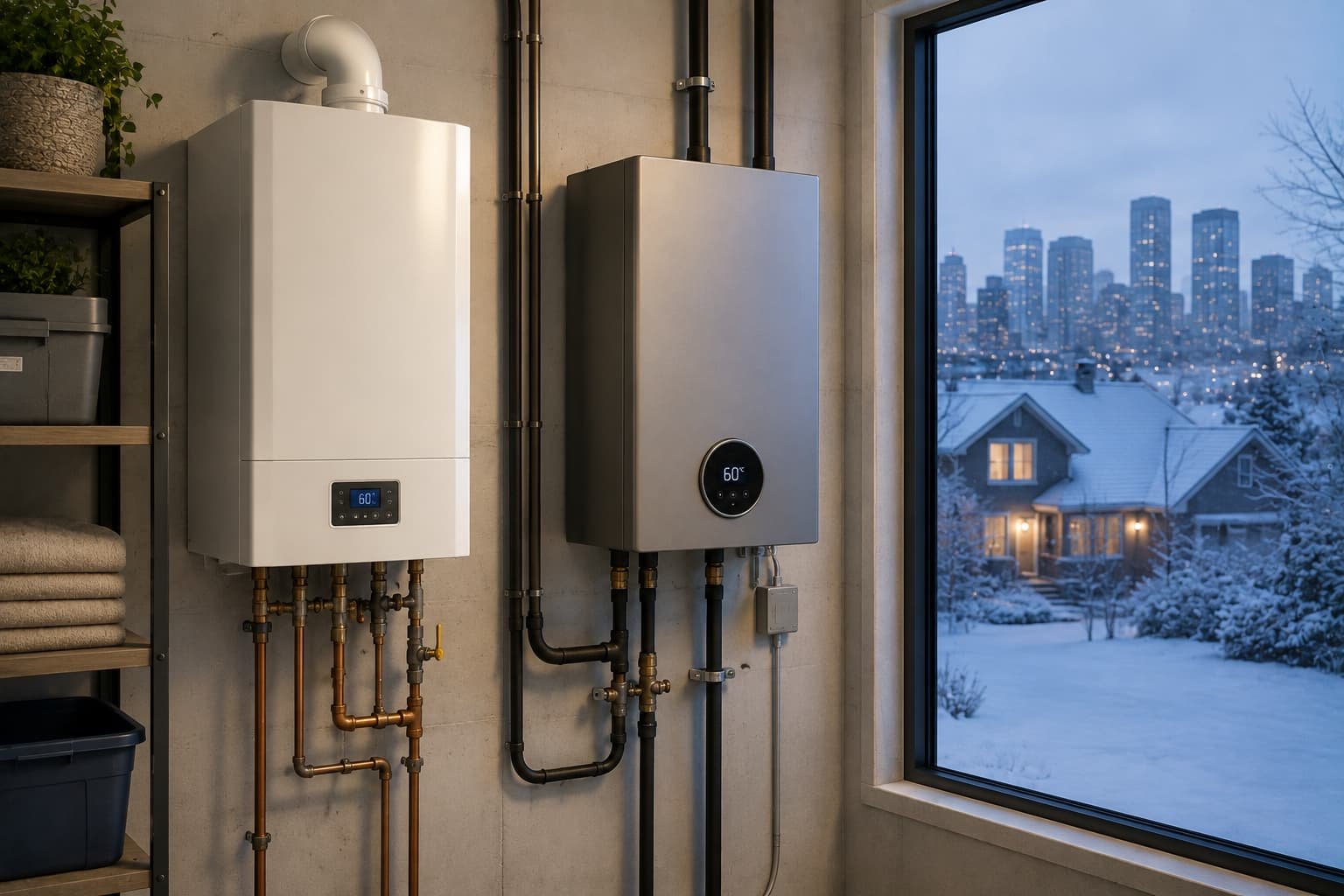
Gas vs. Electric Boiler: Key Differences
The following comparison highlights the main factors homeowners should examine before choosing a system.
| Consideration | Gas Boiler | Electric Boiler |
| Cold-weather output | Well suited to sustained, high heating loads when correctly sized | Effective when adequately sized and supported by sufficient electrical capacity |
| Equipment efficiency | High-efficiency models recover much of the fuel’s heat, but some energy is lost through exhaust | Converts nearly all incoming electricity into heat at the point of use |
| Operating costs | Influenced by gas prices, boiler efficiency and usage | Influenced by electricity rates and total winter demand |
| Installation | Requires gas service, ventilation, drainage and combustion controls | Does not require combustion venting but may need an electrical-service upgrade |
| Maintenance | Needs regular inspection of burners, venting and combustion components | Generally has fewer serviceable parts |
| Environmental impact | Produces emissions through on-site natural gas combustion | No on-site emissions; overall impact depends on how electricity is generated |
| Expected application | Often practical for larger homes and high heating loads | Often attractive for smaller, well-insulated properties or targeted heating zones |
Efficiency ratings alone do not determine the best option. Local utility costs, building heat loss and installation requirements can have a greater effect on long-term expenses.
Which Boiler Performs Better in Edmonton’s Cold?
A correctly sized gas boiler is often well suited to Edmonton winters because it can meet high, sustained heating loads. This may be particularly important in large houses, older buildings or properties with limited insulation.
An electric boiler can also maintain comfortable indoor temperatures in extreme cold when the equipment and electrical service are sized appropriately. Problems arise when a system is selected according to floor area alone without considering insulation, windows, air leakage and the home’s design temperature.
A professional heat-loss calculation is therefore essential. Oversized boilers can cycle too frequently, while undersized systems may struggle to maintain the thermostat setting during prolonged cold snaps. Either situation can reduce comfort and shorten equipment life.
Which Option Is More Cost-Effective?
There is no single answer because heating costs depend on changing utility rates, household demand and equipment performance.
Gas boilers may offer lower operating costs for homes with heavy winter heating requirements, especially when natural gas infrastructure is already in place. However, the initial installation can cost more if the property needs a new gas connection, venting system or extensive modifications.
Electric boilers are often simpler to install. That advantage can disappear if the home requires a major electrical-panel or service upgrade. Higher electricity consumption during Edmonton’s coldest periods must also be included in the long-term calculation.
Homeowners should compare:
- Equipment and installation costs
- Required electrical, gas or venting upgrades
- Estimated annual energy consumption
- Current gas and electricity rates
- Expected boiler maintenance and repair needs
- Likely service life and warranty coverage
A contractor can calculate projected energy use based on the property’s actual heat loss rather than relying on broad cost estimates.
Maintenance and Repair Considerations
Every boiler requires routine attention. Gas units should be inspected for safe combustion, correct gas pressure, clear venting and proper condensate drainage. Electric units need checks of heating elements, electrical connections, pumps and controls.
Both systems also share hydronic components such as expansion tanks, pressure-relief valves, circulator pumps and zone controls. Air in the lines, unstable pressure, leaks or poor water circulation can affect either boiler type.
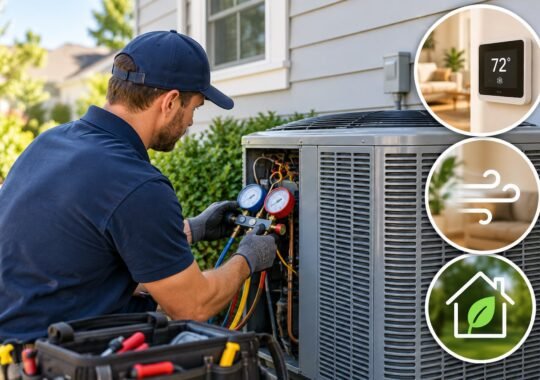
Arranging professional boiler repair and service Edmonton support before peak winter can help identify worn parts, control problems and developing leaks. Preventive service is especially valuable because a small fault may become an urgent boiler repair when the system begins running continuously during a cold spell.
Homeowners should request service if they notice unusual noises, uneven heating, repeated shutdowns, water leaks, pressure changes or an unexplained rise in energy use. Gas-boiler owners should also treat unusual odours or carbon monoxide alarms as immediate safety concerns and follow emergency guidance.
How to Choose the Right Boiler for Your Edmonton Home
A gas boiler may be the more practical option when a property has an existing gas supply, a substantial heating load and a suitable location for safe venting. It can also make sense when replacing an older gas unit within an established hydronic system.
An electric boiler may be preferable for a smaller, energy-efficient home, an addition or a property without easy access to natural gas. It may also appeal to owners who prioritise quiet operation, simpler equipment and the absence of on-site combustion.
Before approving a heating system installation, ask the contractor to evaluate the building envelope, electrical capacity, existing piping, ventilation requirements and available control options. Seeking qualified boiler repair and service Edmonton expertise during this planning stage can also reveal whether existing radiators, pumps and pipework are suitable for the proposed boiler.
The final decision should be based on whole-system performance rather than the boiler alone. Better insulation, air sealing, outdoor-reset controls and zoning may reduce heating demand and improve comfort regardless of the energy source.
Conclusion
For Edmonton’s extreme cold, a properly sized gas boiler generally offers an advantage in homes with high and continuous heating demands. A correctly designed electric boiler can still perform reliably, especially in smaller, well-insulated properties with adequate electrical capacity.
Neither option is universally superior. The right choice comes from comparing heat loss, installation needs, utility costs, environmental priorities and long-term ownership expenses. Whichever system is selected, professional installation, regular maintenance and prompt repairs remain essential for safe, efficient and dependable winter heating.