The United Nations has officially designated the current era as the Decade of Healthy Ageing. This global initiative aims to foster longer, healthier lives while combating societal ageism. A major part of this mission involves recognizing that physical health and mental well-being are deeply connected. As we get older, maintaining a regular fitness routine is not just about preserving muscle tone. It is about protecting our independence, staying socially engaged, and keeping our minds sharp. However, changes in balance and joint health can sometimes make staying active feel daunting.
The Link Between Movement and Mental Health
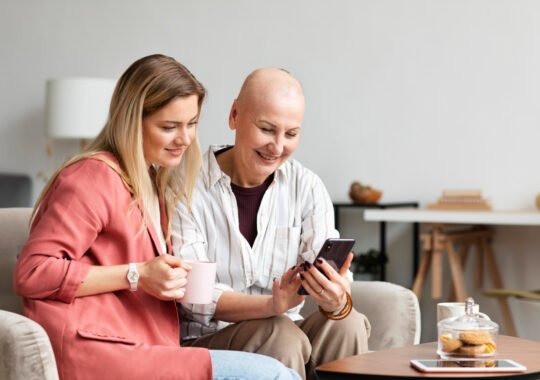
It is widely understood that physical activity benefits the heart and lungs, but its impact on mental health is just as profound. According to recent population-based studies, symptoms of anxiety or worry are significantly higher among physically inactive older adults compared to those who maintain an active lifestyle. Nearly one in three older adults living alone report a need for mental health care, a challenge often worsened by a loss of outdoor mobility and social disconnection. Making small lifestyle changes like scheduling short, practical walks can yield enormous long-term benefits for your overall well-being. A simple daily stroll provides fresh air, a change of scenery, and an opportunity to interact with neighbors, all of which actively combat feelings of isolation.
Overcoming the Fear of Falling
Despite the clear benefits of walking and outdoor activity, many older adults hesitate to step outside due to safety concerns. Data from the Centers for Disease Control and Prevention highlights that one in four older adults experiences a fall each year. Even more concerning is that nearly half of all older adults develop a persistent fear of falling. This anxiety frequently leads to decreased physical activity, muscle deconditioning, and increased social isolation. The key to breaking this cycle is proactive fall prevention and adopting the right support tools. Keeping a lightweight fold away walking stick in your bag ensures you always have reliable balance support exactly when you need it. Viewing these aids as empowering accessories rather than symbols of decline helps you maintain your independence while navigating uneven sidewalks or park trails.
Low-Impact Exercises for Joint Health
When building a safe fitness routine, the goal is to protect your joints while elevating your heart rate. High-impact sports are not strictly necessary for cardiovascular health. In fact, an analysis of 217 trials involving over 15,000 participants confirmed that low-impact aerobic activities are highly effective for relieving discomfort, making them some of the best exercises for reducing joint pain and improving overall physical function.
If you want to keep moving safely, consider incorporating the following low-impact exercises into your weekly routine:
- Brisk Walking: A daily walk on flat, paved surfaces improves circulation and helps lubricate stiff joints.
- Water Aerobics: Exercising in a pool removes the weight from your joints while providing excellent natural resistance for muscle strengthening.
- Stationary Cycling: Riding a stationary bike builds leg strength and cardiovascular endurance without putting stress on your knees or hips.
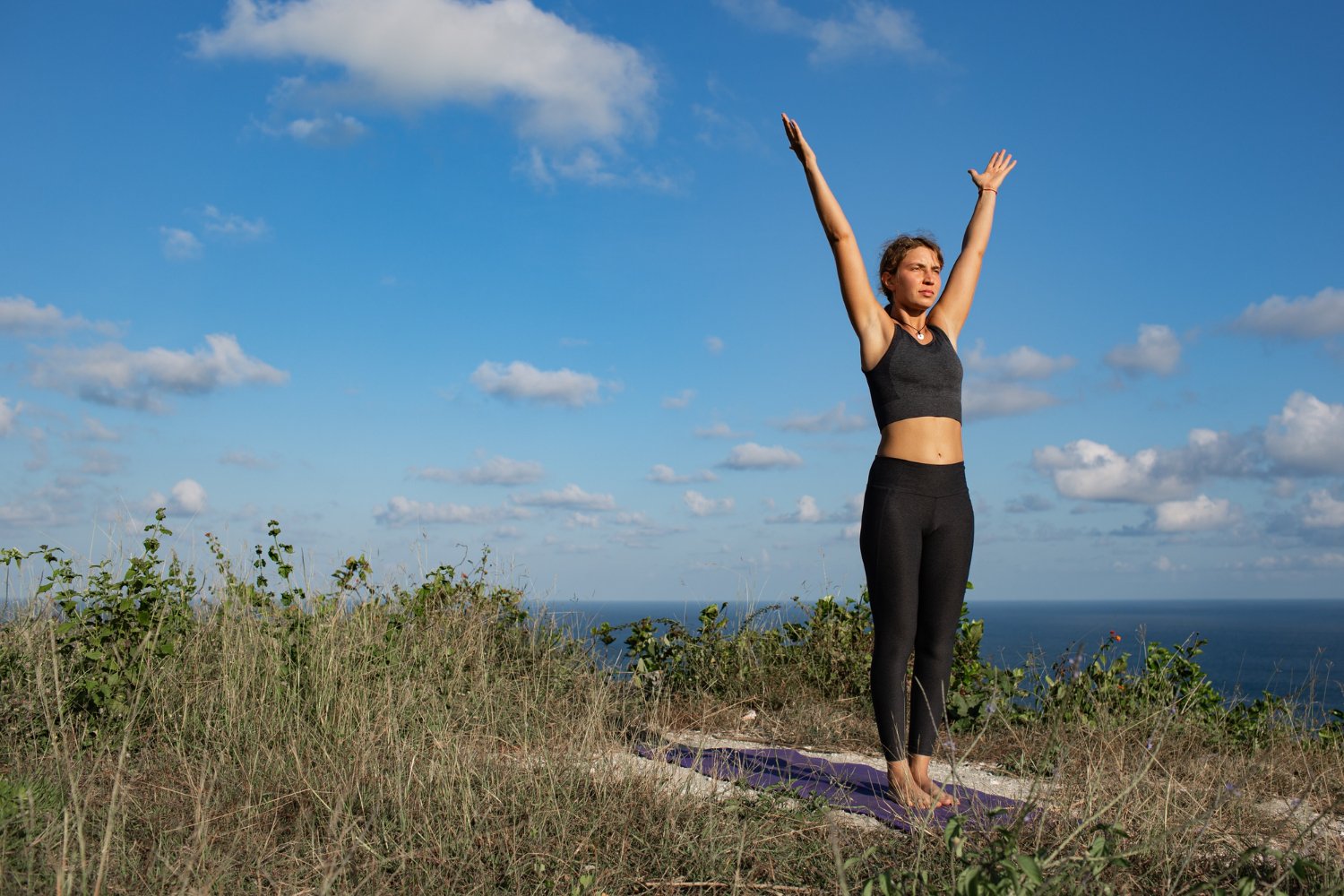
- Tai Chi: This gentle martial art focuses on slow, controlled movements that drastically improve balance and core stability.
Reframing How We Think About Mobility
Sociological research reveals that perceived stigma is one of the biggest barriers preventing older adults from using the very tools that could improve their quality of life. For decades, walkers and canes were unfairly associated with a loss of vitality. Fortunately, modern ergonomic and aesthetic designs are actively combating these outdated stigmas. Today, mobility aids are constructed from lightweight materials like carbon fiber and aerospace alloys, designed specifically for active retirement lifestyles. They come in bright colors and sleek profiles that feel more like sports equipment than medical devices. Furthermore, community programs continue to prove the value of staying in motion. In a recent survey from SilverSneakers, 76 percent of their active participants experienced noticeable improvements in depression symptoms after engaging in regular physical activity. When we reframe mobility aids and modified exercises as proactive tools for long-term health, we open the door to a much more fulfilling lifestyle.
Aging should never mean giving up the activities that bring you joy. Whether you enjoy tending to a garden, walking through a local park, or browsing weekend markets, there are always ways to adapt. By embracing supportive tools, practicing low-impact exercises, and prioritizing daily movement, you can safely navigate the world around you. Taking these proactive steps ensures that your later years are defined by vitality, confidence, and a holistic sense of well-being.