
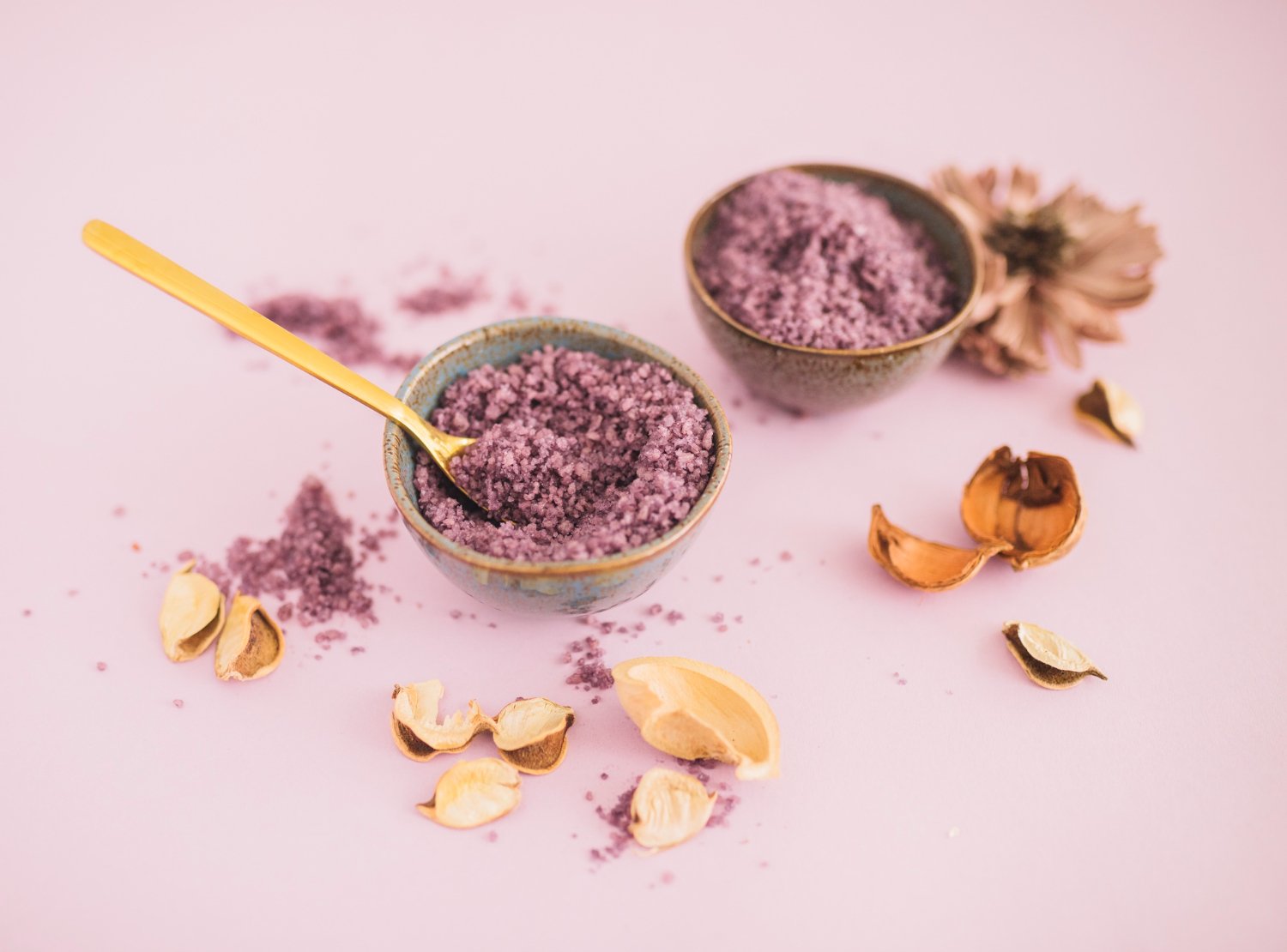
People from all over the world are becoming more interested in organic ube. This deeply purple yam has been used in Filipino food for generations. Ube is easy to spot because of its bright color, but it is more than just an ingredient picked for how it looks. It has carbs, fiber, micronutrients, and plant pigments in its natural state, so it can be a part of a variety of diets.
The ube plant, whose botanical name is Dioscorea alata, is in the yam family. Depending on the type and how it was grown, the flesh can be anywhere from pale lavender to deep violet. It turns into ube powder after being dried and ground, which is a useful ingredient that lasts longer than fresh yam. The powder can be used to give drinks, baked goods, breakfast bowls, and desserts the earthy, slightly sweet taste that purple yam is known for.
People are also more interested in ube because they want colorful foods that are made with real ingredients instead of artificial dyes. Natural ube can help food look good and be healthy at the same time. Anthocyanins, which are also found in foods like blueberries, raspberries, and purple cabbage, give it most of its purple color.
Still, not all purple powder bought online is the same. Some products have flavorings, sugar, or coloring added to them, but a real organic ube powder should mostly be purple yam that has been dried out. Knowing what ube is good for you, how it’s different from other veggies like it, and how to use it right makes it easier to decide where it fits in your daily meals.
What does ube powder really mean?
Ube is a type of yam that grows naturally in warm areas and is closely linked to Filipino food. The outside of a fresh ube is rough and brown, and the inside is naturally purple. People don’t usually eat raw yam the same way they eat fruit or salad vegetables, so it is usually cooked first.
To make purple yam powder, the tuber is usually washed, cooked, or processed in any other way the manufacturer specifies, then dried and ground very finely. Getting rid of most of the water makes the product much lighter and keeps it fresh longer. It also makes an ingredient that is concentrated and can be counted out by the spoonful.
The powder that is made is not the same as ube extract or treat mixes with added flavors. In natural ube powder, the whole dried yam is ground up, but in extracts, the main purpose is generally to add flavor or color. Sweetened mixes may have a lot of sugar and other ingredients, which changes their nutritional value in a big way.
Fresh ube and ube powder
Since fresh ube has a lot more water than dried ube, it is less concentrated gram for gram. Powdered purple yam is useful when fresh purple yam is hard to find, and it works especially well in recipes where adding a lot of water would be bad.
Fresh yam, on the other hand, has a feel that powder can’t fully copy. This creamy, starchy texture is often used in traditional recipes. Fresh ube has a more noticeable whole-food texture, while powder is more convenient, consistent, and easier to store.
Purple sweet potato vs. ube
People often mix up ube and purple sweet potato because their flesh is both purple. They are two different types of plants. This is a yam from the genus Dioscorea. This is a sweet potato from the genus Ipomea.
They also have different tastes. Ube has earthy, nutty, and sometimes vanilla-like notes along with a light sweetness. Most of the time, purple sweet potatoes taste sweet and starchy like other sweet potatoes. Both can give you colorful plant chemicals, but one shouldn’t be sold or labeled as the other just because it looks like the other.
The good things for you about ube
The exact nutrition facts for ube powder rely on the type, how it was grown, and how it was processed. Since ube is a root veggie, it mostly provides carbs. In smaller amounts, it can also provide fiber and a number of vitamins and minerals.
It’s not necessarily a bad thing that it has a lot of carbohydrates. The body gets most of its energy from carbohydrates, especially when it’s working out. What matters is how the ube is added to the food as a whole. When mixed with protein, healthy fats, and other fiber-rich foods, it has a very different nutritional profile than when mixed into a dessert that has a lot of extra sugar.
One good thing about whole yam products is that they contain dietary fiber. Fiber helps the digestive system work properly and makes you feel full. Since there may not be much in a spoonful of powder, ube should be eaten along with veggies, legumes, fruit, and whole grains, not instead of them.
Ube might also have minerals like potassium and small amounts of other micronutrients. Because the amounts are so different, the nutrition facts label on a food item is still the best way to find out exactly how much to eat.
- carbs that are complicated
- fiber in food
- potassie
- Colors from plants
- the anthocyanins
Why is purple ube so interesting to people who are interested in nutrition?
The deep violet color of ube comes from the anthocyanin pigments that are found in it. There is a larger group of plant chemicals called polyphenols that anthocyanins are a part of. They give a lot of red, blue, and purple fruits and vegetables their color.
Because they are antioxidants, these chemicals are studied a lot. Antioxidants are part of the body’s defense against oxidative processes that use free radicals, which are unstable molecules. That doesn’t mean that eating ube keeps you from getting sick or works like medicine. The way you eat is more important than a single ingredient that is said to be miraculous.
This difference is important because sometimes foods that are brightly colored are sold with false claims. Even though ube is purple, it is not a miracle food. It can be a tasty addition to a diet full of veggies, fruits, legumes, nuts, and foods that have been processed as little as possible.
The important thing to remember is much easier. Choosing foods with a range of natural colors is a good way to get a variety of plant chemicals. So, purple foods like ube can be eaten with orange veggies, berries, leafy greens, and other colorful foods instead of competing with them.
Is organic ube powder better for you?
“Organic” means that an agricultural ingredient was grown and certified in a way that meets certain standards. This doesn’t always mean that the end food has a lot more vitamins, a lot fewer calories, or a lot more antioxidants.
A big benefit for many customers is being able to track their purchases. People who only want crops that are grown according to organic farming standards might be interested in a certified organic ube powder. It can also be easier to compare ingredients if the label only lists organic purple yam and not a long list of other ingredients.
Marketing language is less important than the quality of the ingredients. An instant ube drink with sugar, creamer, flavorings, and colors is not at all the same nutritionally as a powder made of 100% dried ube. So, reading the list of ingredients is more helpful than reading the front of the package.
Color can also give you hints, but it’s not a great way to tell if something is good. Depending on the type of yam used and how it was processed, natural powders can range from a soft violet to a strong purple. A color that is too fluorescent may have had coloring added, which should be listed on the ingredient list.
How do you use ube powder?
There are a lot of ways to use ube powder. Because it has a mild taste, it can be used in both simple breakfasts and rich desserts. Small amounts can change the taste and color of a recipe without making it much bigger because it is dry and concentrated.
Before adding milk or a plant-based drink, the powder can be mixed with a small amount of warm water to make a simple latte. To avoid dry lumps, make a smooth paste first. The sweetener is not required and can be changed to suit your tastes.
You can also put powder in oatmeal, yogurt, and shakes when you want to. The naturally earthy sweetness of ube goes well with banana, coconut, vanilla, or mild dairy flavors. It can be added to muffins, cakes, cookies, bread dough, pancakes, and more.
Filipino ube desserts from the past are often much richer because they contain condensed milk, coconut milk, butter, or sugar. There’s nothing wrong with eating these kinds of foods once in a while, but you shouldn’t blame the yam itself for how healthy they are.
- Blenders
- oatmeal
- Pancakes, yogurt bowls, and drinks
- cakes
- bread
How much ube powder do you need?
Because ube is a food and not a vitamin, there is no one right amount to eat. The right amount mostly depends on the recipe and how concentrated the powder is.
For drinks and single servings, it’s usually best to start with a small amount. You can slowly add more until you get the taste and color you want. When baking, bigger amounts may be needed because the powder is mixed in with the whole mixture.
If a product comes with notes on how to prepare it, you should follow them because powders behave in different ways. Some are very fine and concentrated, while others need to be rehydrated before they can be used. A powder made from only dried yams can also soak up water, which might slightly change the way doughs and cakes feel.
People who need to watch their carbohydrate intake for medical reasons shouldn’t think that a colored vegetable powder is automatically low in carbs. Instead, they should treat ube like any other starchy food and look at the serving size.
When you buy ube powder, what should you look for?
A short list of ingredients is often the best place to start. If you want real organic purple yam powder, the main ingredient should say ube or Dioscorea alata on the label. If something has added sugar, coloring, or taste, it should be easy to tell.
If you care about organic farming, certification is also important. The term shouldn’t just be used for marketing purposes; it should be backed up by proper certification. Dried plant foods can lose their quality if they are not stored properly, so it is helpful to have packaging that keeps the powder safe from light, heat, and moisture.
Instead of being overly artificial, the flavor should be light and earthy. Ube that hasn’t been sweetened should not taste like candy, but naturally sweet ube does. Strong vanilla or candy-like tastes could mean that there are extra flavorings in the food.
Follow the manufacturer’s storage advice for keeping the powder in a cool, dry place after it has been opened. Use a clean, dry spoon every time. Adding moisture to the container can make the product stick together and shorten its useful shelf life.
Ube is healthy, but it’s not a magic food.
It’s easy to see why YouTube is so popular. This vegetable has a unique look, a tasty taste, and the right amount of nutrients for a naturally starchy root vegetable. Adding organic ube is also a simple way to add another colorful plant food to meals without using artificial purple coloring.
Instead of making big claims, it’s the common nutritional qualities that give it possible value. Ube has carbs, some fiber, micronutrients, and purple anthocyanins that are found naturally. These traits can help you eat a variety of foods, especially if the powder is used with other healthy foods that have been lightly processed.
The dish that goes with it still matters. Even though both smoothies and desserts made with ube have purple yam in them, they are very different in terms of what they do for your health. By looking at the whole list of ingredients, you can keep your hopes in check.
A simple 100% ube powder is often the most versatile choice for everyday use. You can choose the amount of sugar, the serving size, and the other ingredients. The color and taste of purple yam, which are becoming more popular around the world, stay the same.