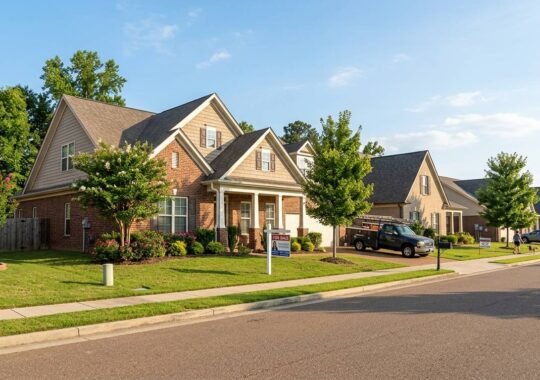

A roof replacement is one of the biggest improvements a homeowner can make, and good planning helps every stage move forward with fewer surprises. The right decisions before construction begins can improve long-term performance, protect the property’s value, and prevent unnecessary expenses. A clear plan also makes it easier to compare options and understand what the project includes. The following sections explain common planning mistakes and how to avoid them before replacing a residential roof.
Do not Skip a Professional Inspection Before Planning a Roof Replacement
Planning a roof replacement in Omaha without a complete inspection can create unexpected challenges once work begins. A professional evaluation identifies hidden concerns such as damaged decking, poor ventilation, flashing issues, or moisture that may not be visible from the ground. Starting with accurate information allows homeowners to prepare for the complete scope instead of making decisions based on appearance alone. A detailed inspection also helps create a realistic estimate and timeline. This gives homeowners greater confidence when reviewing proposals and reduces the chance of unexpected adjustments after construction starts.
Do Not Choose Roofing Materials Without Considering Materials
The least expensive roofing product does not always deliver the best value over time. Every material offers different levels of durability, weather resistance, appearance, and expected service life. Comparing these qualities helps homeowners make a choice that supports both their budget and the home’s long-term needs.
Important Factors to Compare
Before selecting roofing materials, consider:
- Expected lifespan
- Resistance to local weather conditions
- Warranty coverage
- Appearance that complements the home
- Compatibility with the existing roof structure
Looking beyond the initial purchase price helps homeowners make a better-informed investment.
Never Miss The Full Scope of Work Before Accepting an Estimate
Price alone should never determine which proposal to accept. Two estimates may appear similar, yet include different materials, installation methods, cleanup services, or warranty coverage. Reviewing every detail makes it easier to understand the true value of each proposal. Professional contractors explain exactly what the project includes before work begins. This clear communication helps homeowners compare services fairly and prevents confusion after installation starts.
Do Not Ignore Ventilation and Other Roofing Components
A successful replacement involves much more than installing new shingles. Flashing, underlayment, ventilation, and roof decking all work together to protect the home and support long-term performance. Ignoring these components may reduce the effectiveness of the entire roofing system.
Components That Deserve Attention
Ask the contractor about:
- Ventilation improvements
- Underlayment materials
- Flashing replacement
- Roof decking condition
Reviewing these items before construction begins helps ensure every important component receives proper attention.
Avoid Waiting Too Long to Schedule Your Roof Replacement
Delaying a replacement can reduce scheduling flexibility and leave less time to review materials or prepare for installation. Planning ahead allows homeowners to make informed decisions without unnecessary pressure. It also creates more opportunities to coordinate inspections and discuss project details with the contractor.
A well-planned roof replacement in Omaha gives homeowners enough time to evaluate proposals, understand the installation process, and prepare their property before work begins. Careful scheduling supports a smoother experience from the initial consultation through project completion.
Careful planning helps homeowners avoid costly decisions and creates a smoother path toward a successful roofing project. Professional inspections, complete proposals, quality materials, and attention to every roofing component all contribute to lasting performance. Thoughtful preparation also gives homeowners greater confidence before construction begins. A well-planned roofing investment provides reliable protection and lasting value for years to come.