

Understanding the Foundations: Mental Health vs. Behavioral Health

Navigating the complexities of well-being can feel overwhelming. We often encounter terms like “mental health” and “behavioral health.” But what exactly do they mean, and how do they shape our lives? Gaining a clear understanding of these areas is crucial for everyone.
The need for robust support systems is clear. In 2023, for example, over 49,000 individuals in the United States died by suicide—a rate of one death every 11 minutes. Furthermore, approximately 20.4 million adults faced the dual challenge of a mental health condition and a substance use disorder. These figures underscore the widespread impact of behavioral health challenges.
This extensive guide aims to provide clarity and actionable insights. We will explore the distinctions between mental and behavioral health. We will identify common issues across different age groups and delve into critical risk and protective factors. Our discussion will also cover effective school-based supports, evidence-based interventions, and the profound influence of social determinants of health. Finally, we will highlight vital resources and innovative approaches to expand access to care for all.
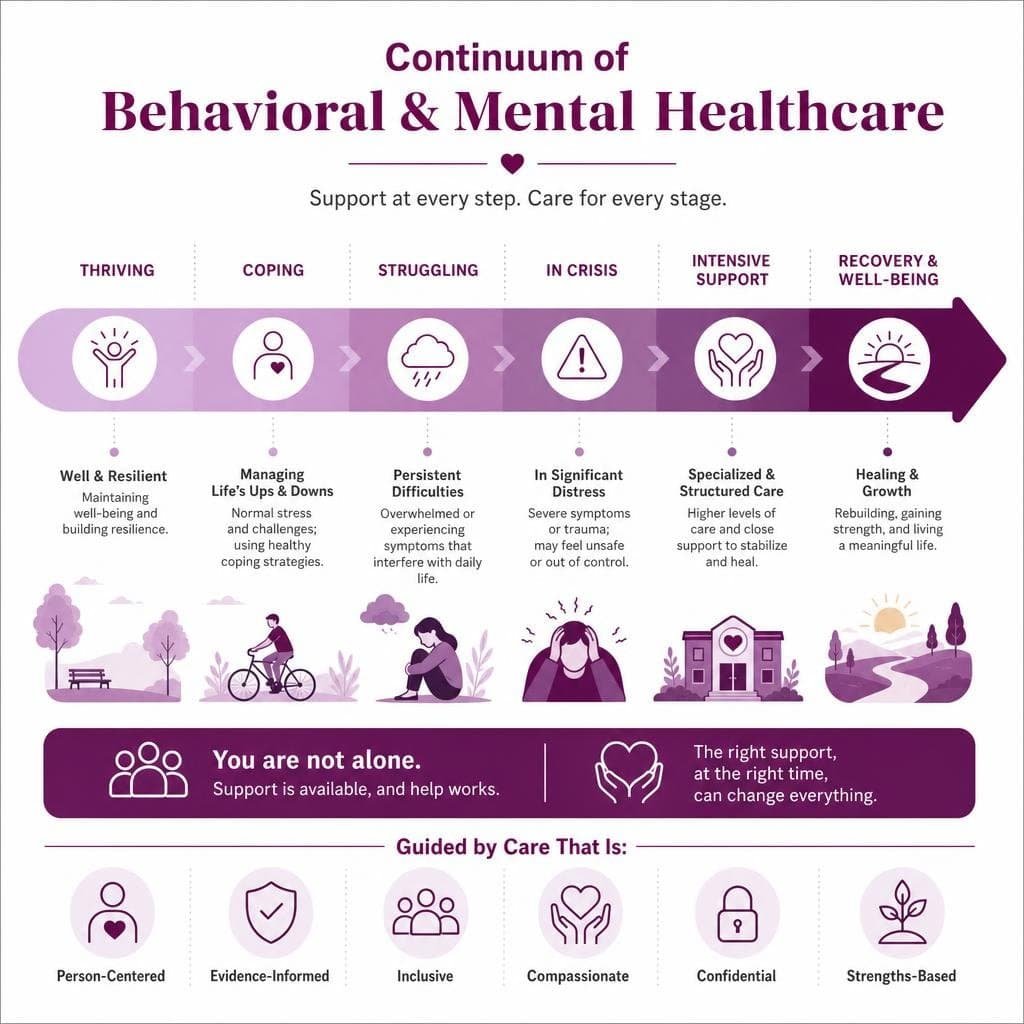
The terms “mental health” and “behavioral health” are often used interchangeably, yet they represent distinct but interconnected aspects of our overall well-being. Understanding this difference is vital for effective care and support. Mental health primarily focuses on our psychological well-being, encompassing our emotional, psychological, and social states. It influences how we think, feel, and act, and how we handle stress, relate to others, and make choices. This includes cognitive function, mood regulation, and our ability to cope with life’s challenges.
Behavioral health, on the other hand, is a broader umbrella term. It encompasses mental health but also extends to the connection between our behaviors and our overall health—physical, mental, and spiritual. It includes habits, lifestyle choices, and overt actions that impact our wellness, such as substance use, eating patterns, exercise habits, and even sleep. When we talk about behavioral health, we’re considering how our actions and daily routines contribute to or detract from our well-being. This distinction highlights the need for an interdisciplinary treatment approach and holistic care coordination that addresses both internal states and external actions.
Distinguishing Mental Illness from Behavioral Actions
To further clarify, mental health conditions are typically diagnosed based on symptoms affecting one’s thoughts, feelings, and mood. These can include anxiety disorders, depression, bipolar disorder, and schizophrenia. These conditions are often rooted in biological, psychological, and genetic factors.
Behavioral health issues, while sometimes stemming from underlying mental health conditions, are characterized by observable behaviors or patterns. These might include substance use patterns, eating behaviors (like disordered eating), and other habits that negatively impact health. Interventions in behavioral health often involve habit modification, lifestyle changes, and addressing the actions themselves, alongside any underlying psychological distress.
Here’s a simplified comparison:
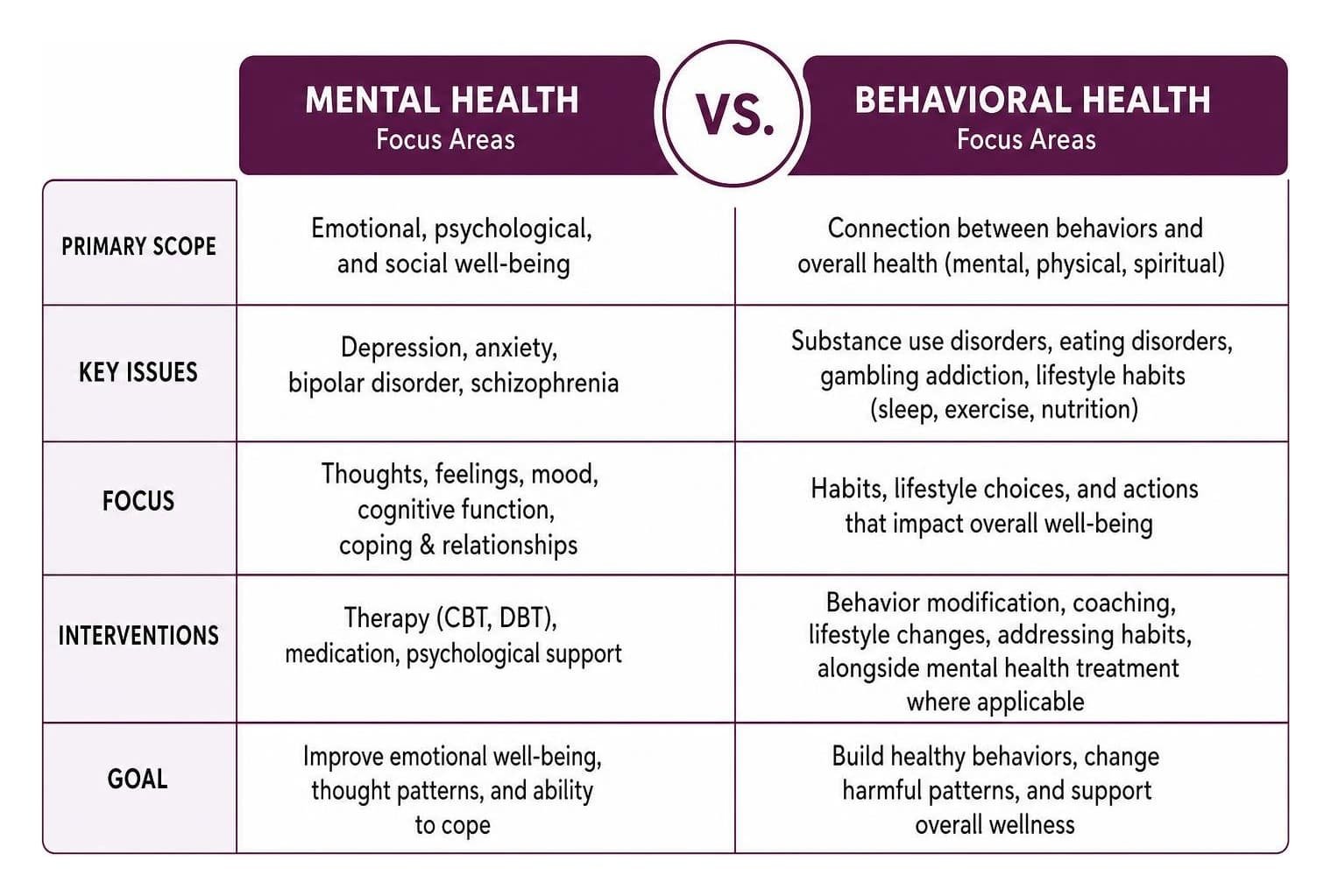
Feature Mental Health Focus Areas Behavioral Health Focus Areas Primary Scope Emotional, psychological, and social well-being Connection between behaviors and overall health (mental, physical, spiritual) Key Issues Depression, anxiety, bipolar disorder, schizophrenia Substance use disorders, eating disorders, gambling addiction, lifestyle habits (sleep, exercise, nutrition) Intervention Therapy (CBT, DBT), medication, psychological support Behavior modification, coaching, lifestyle changes, addressing habits, alongside mental health treatment where applicable Perspective Internal states, thoughts, feelings, cognitive processes Overt actions, daily routines, habits, and their impact on wellness The interdisciplinary nature of behavioral health means that care often involves a team of professionals addressing various facets of an individual’s life, from emotional state to daily habits. Holistic care coordination ensures that both the psychological and behavioral aspects are considered for comprehensive support.
Behavioral Health Needs Across Lifespan Demographics
Behavioral health challenges manifest differently across various age groups, requiring tailored support strategies.
For children and adolescents, pediatric behavioral support is crucial. Youth anxiety and depression are increasingly prevalent, impacting academic performance and social development. Educators and parents often observe issues like chronic absenteeism, which affected approximately 16% of all students in 2023. These absences can be a strong indicator of underlying social, emotional, or behavioral difficulties. Early intervention in schools and homes is key to fostering resilience and healthy coping mechanisms from a young age.
Adults face a unique set of behavioral health concerns, often compounded by life stressors such as work, family, and financial pressures. Substance use disorders and mental health conditions frequently co-occur in this demographic. Tragically, overdose remains the leading cause of death for Americans aged 18-44, highlighting the urgency of effective intervention and prevention strategies for this age group.
Older adults may experience behavioral health issues related to aging, loss, chronic illness, and social isolation. Depression and anxiety can be common, sometimes exacerbated by physical health problems or reduced mobility. In-home supportive care programs and community engagement initiatives are vital for this population to maintain independence, connection, and overall well-being. Recognizing the specific needs of each age group allows us to develop more targeted and effective support systems.
Risk Factors, Protective Factors, and Co-Occurring Disorders

Understanding the landscape of behavioral health requires us to examine both the elements that increase vulnerability (risk factors) and those that foster resilience (protective factors). Biological vulnerabilities, such as genetic predispositions, can play a role, but environmental stress, social isolation, and adverse life experiences also significantly contribute to behavioral health challenges. Conversely, strong social connections, effective coping mechanisms, and personal resilience building can act as powerful buffers.
Suicide Risk Factors and Prevention Data
Suicide is a devastating public health issue with complex root causes. In 2023, there were over 49,000 deaths by suicide in the United States, meaning one person died by suicide approximately every 11 minutes. A significant portion of these individuals—about 49%—had a history of a diagnosed mental health condition. This statistic underscores the critical link between mental illness and suicide risk.
Key risk factors include previous suicide attempts, a family history of suicide, substance use, chronic physical pain, feelings of hopelessness, and access to lethal means. Protective factors, on the other hand, involve strong social support, problem-solving skills, cultural and religious beliefs that discourage suicide, and access to mental health care.
Early identification of warning signs and proactive intervention are paramount. Opportunities for intervention exist in various settings, including emergency room visits or routine medical appointments, where evidence-based screening can help identify individuals at risk. Integrating mental health screening into general healthcare can create vital touchpoints for prevention.
Addressing Co-Occurring Substance Use and Overdose Prevention
The intersection of mental health conditions and substance use disorders (SUDs) presents a significant public health challenge. In 2023, approximately 20.4 million adults in the United States had both a mental health condition and an SUD, highlighting the widespread nature of co-occurrence. These conditions often exacerbate each other, making recovery more complex.
Concerningly, in 2022, 22% of people who died of a drug overdose also had a non-substance-related mental health condition. The most common of these were depression (13%) and anxiety (9%). This data points to a critical need for integrated treatment approaches that address both mental health and substance use simultaneously.
Harm reduction practices, such as providing naloxone, safe consumption sites, and fentanyl test strips, are vital in preventing overdose deaths. Furthermore, identifying medical intervention points, such as during emergency room visits or when individuals are already engaged in treatment programs, offers crucial opportunities for evidence-based screening. This can help capture co-occurring mental health and substance use disorders before they lead to fatal overdoses. For those seeking comprehensive support, resources focusing on residential drug and alcohol addiction treatment can provide structured environments and integrated therapies to address these complex needs.
Integrating Mental Health and Behavioral Support Systems for Holistic Care
Achieving holistic well-being requires a coordinated approach that integrates mental health and behavioral support systems. This means moving beyond siloed treatments to embrace evidence-based care models that consider the whole person. Routine screening for both mental health conditions and behavioral patterns is a cornerstone of this approach, enabling early identification of concerns before they escalate. Cross-disciplinary support, involving various healthcare professionals, educators, and community resources, ensures a comprehensive network of care.
Clinical Interventions and Evidence-Based Therapies
A range of evidence-based practices and interventions are available for the early intervention and treatment of behavioral health concerns. These therapies are backed by research and have demonstrated effectiveness in improving outcomes.
- Cognitive Behavioral Therapy (CBT): A widely used therapy that helps individuals identify and change negative thought patterns and behaviors contributing to their distress. It’s effective for conditions like depression, anxiety, and eating disorders.
- Dialectical Behavior Therapy (DBT): A modified form of CBT, DBT focuses on teaching skills in four key areas: mindfulness, distress tolerance, emotion regulation, and interpersonal effectiveness. It’s particularly effective for individuals with intense emotional dysregulation, such as those with borderline personality disorder or chronic suicidal ideation.
- Applied Behavior Analysis (ABA): Often used with individuals on the autism spectrum, ABA focuses on understanding and improving behaviors. It involves breaking down skills into smaller steps and using positive reinforcement to teach new behaviors and reduce challenging ones.
- Behavior Intervention Plans (BIPs): These are structured plans developed for individuals, often in educational settings, who require increased behavioral support. BIPs identify challenging behaviors, their triggers, and strategies to teach more appropriate behaviors and reinforce positive actions.
- Person-Centered Care Plans: These plans prioritize the individual’s unique needs, preferences, and goals. They emphasize collaboration between the individual and their care team, ensuring that interventions are tailored and respectful of their values.
These clinical interventions, when applied within a framework of early identification and ongoing support, can significantly improve behavioral health outcomes.
The Impact of Social Determinants of Health
Behavioral health outcomes are profoundly influenced by social determinants of health (SDOH)—the conditions in the environments where people live, learn, work, and play. Factors such as housing stability, financial stress, access to nutritious food, and community safety can either foster well-being or create significant barriers to it.
For instance, individuals experiencing housing instability or homelessness face immense stress that can exacerbate mental health conditions and make recovery from substance use disorders incredibly challenging. Financial stress can lead to chronic anxiety and depression, while a lack of safe, supportive community environments can limit access to resources and increase exposure to trauma. In some urban areas, statistics show that as many as one in five people may have a mental health disorder, underscoring the concentrated impact of SDOH in specific communities.
Addressing SDOH is not just about healthcare; it’s about public health initiatives that create equitable opportunities and supportive environments. This includes policies that promote affordable housing, provide economic support, enhance community safety, and ensure access to education and employment. By reducing these systemic barriers, we can significantly improve behavioral health outcomes for individuals and communities alike.
Fostering Social, Emotional, and Behavioral Well-Being in Educational Settings
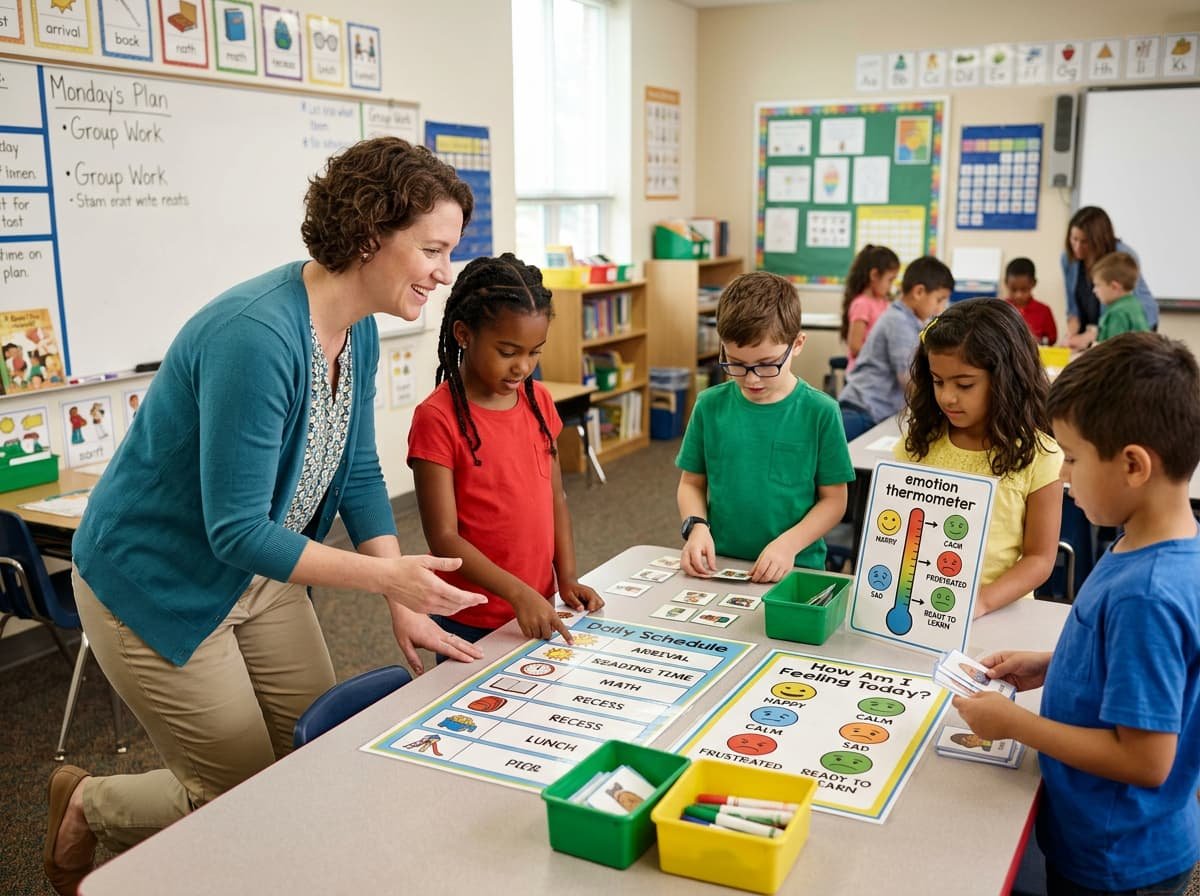
Schools play a critical role in supporting students’ social, emotional, and behavioral (SEB) needs. A direct link exists between positive, proactive behavioral strategies and student academic success. By addressing SEB needs, schools can preserve valuable instructional time, create a more conducive learning environment, and foster a sense of belonging. Key strategies include positive reinforcement, effective classroom management, and engaging families as partners in their children’s development.
School-Based Mental Health and Behavioral Support Strategies
Educators and schools can implement several evidence-based practices to effectively support students’ SEB needs:
- Multi-Tiered System of Supports (MTSS): This framework provides a continuum of academic and behavioral support for all students.
- Tier 1 (Universal Supports): Proactive strategies for all students, such as clear expectations, positive behavioral interventions, and social-emotional learning curricula.
- Tier 2 (Targeted Supports): Interventions for students who need more support than Tier 1 provides, such as small-group social skills training or check-in/check-out programs.
- Tier 3 (Intensive Supports): Individualized interventions for students with significant needs, often involving Behavior Intervention Plans (BIPs) and collaboration with mental health professionals.
- Positive Behavioral Interventions and Supports (PBIS): A proactive approach that teaches and reinforces positive behaviors, creating a positive school culture. A key best practice is maintaining a 5-to-1 positive feedback ratio, meaning educators provide at least five positive affirmations or specific praises for every one corrective interaction.
- Predictable Routines: Establishing and explicitly teaching predictable arrival routines, transition procedures, and classroom expectations helps students feel secure and reduces anxiety, leading to fewer behavioral disruptions.
- Trauma-Informed Teaching Practices: Recognizing that many students may have experienced trauma, educators can adopt practices that promote safety, trustworthiness, peer support, collaboration, empowerment, and cultural responsiveness. This helps create a supportive environment where students feel understood and can better regulate their emotions and behaviors.
By integrating these strategies, schools can create environments that not only address behavioral challenges but also actively promote the social and emotional growth essential for academic success and lifelong well-being.
Crisis Intervention, Hotlines, and Community Support Infrastructure
When individuals or families face a mental health or behavioral health crisis, immediate and accessible support systems are paramount.
- 988 Suicide & Crisis Lifeline: This national hotline provides confidential, free, 24/7/365 support for individuals in crisis. By simply calling or texting 988, or chatting online at 988lifeline.org, people can connect with trained crisis counselors who can offer immediate emotional support and connect them to local resources.
- Local Emergency Support Lines: Many communities have their own crisis hotlines or mobile crisis teams that can provide in-person or telephone support during a mental health emergency. These services are often integrated with local law enforcement and healthcare systems to ensure a coordinated response.
- Wraparound Care Coordination: For individuals with complex needs, particularly children and families, wraparound care coordination services help navigate multiple systems (e.g., mental health, education, social services). These services ensure that all aspects of an individual’s life are supported, creating a comprehensive and individualized care plan.
- Non-Emergency Transportation Assistance: Access to care can be a significant barrier. Many community services and health plans offer non-emergency medical transportation (NEMT) or non-medical transportation (NMT) assistance to help individuals get to appointments, ensuring that a lack of transport doesn’t prevent access to vital behavioral health services.
These resources form a critical safety net, providing immediate help during acute crises and guiding individuals toward long-term support.
Expanding Access Through Employer Programs, Digital Tools, and Telehealth
Expanding access to mental health and behavioral support is a continuous effort, with innovative approaches emerging to meet diverse needs. Care navigation, lower-severity intervention options, and remote accessibility are key areas of focus. These advancements aim to make support more readily available, often before concerns escalate into more severe conditions.
Low-Severity Mental Health and Behavioral Support in the Workplace
Employers and health plans are increasingly recognizing the value of providing accessible behavioral health support, including low-severity coaching and in-the-moment assistance. These programs not only support employee well-being but also contribute to a healthier, more productive workforce.
Workplace wellness initiatives often include:
- Virtual Behavioral Coaching: Programs like UnitedHealthcare’s child and family behavioral coaching offer virtual sessions for mild to moderate concerns such as anxiety, ADHD, bullying, and sleep difficulties. These sessions are often led by national board-certified health and wellness coaches under the supervision of licensed clinicians. For example, the UnitedHealthcare child and family coaching program has an excellent Net Promoter Score (NPS) of 76, reflecting high member satisfaction.
- 24/7 In-the-Moment Telephone Support: Many health plans provide round-the-clock access to master’s-level specialists for immediate emotional support. This “in-the-moment” assistance can help de-escalate crises and provide guidance without the need for an appointment. Data indicates that 57% of members who use such support do not have a behavioral health-related claim within 90 days, suggesting its effectiveness in preventing escalation.
- Digital Self-Care Tools: Evidence-based apps, such as Calm Health, are integrated into wellness programs, offering tools for meditation, mindfulness, and mental health screenings. Among engaged members of the Calm Health app who completed two or more assessments, nearly 40% experienced improvement in both depression and anxiety symptoms.
- Child and Family Coaching Options: Recognizing that family well-being impacts individual employees, some programs extend support to children, teens, and caregivers. This proactive approach aims to address behavioral concerns early, potentially reducing the likelihood of more serious mental health conditions developing later in life.
These low-severity interventions are designed to be easily accessible, often with appointments available within 48 hours, and can significantly improve symptom management and prevent the need for higher levels of care.
Telehealth Navigation and Specialized Support Tools
The rise of telehealth has revolutionized access to behavioral health services, making support more convenient and overcoming geographical barriers. Digital self-care apps, remote diagnostic assessments, and certified wellness coaching are now widely available.
One area where telehealth has proven particularly beneficial is in providing specialized documentation. For individuals who benefit from the presence of an assistance animal, obtaining legitimate ESA letters via telehealth has become a streamlined process. This allows individuals to access necessary support for their emotional well-being from the comfort and privacy of their homes, ensuring compliance with housing and travel regulations.
Certified Wellness Coaches (CWCs) also play a growing role. These non-clinical professionals offer support in areas like stress management, basic health screenings, and care navigation. They can provide valuable guidance and connect individuals to appropriate resources, serving as an important bridge in the care continuum. Telehealth platforms and digital tools continue to evolve, offering innovative ways to engage with behavioral health support and manage overall well-being.
Frequently Asked Questions
What is the main difference between mental health and behavioral health?
Mental health refers to your emotional, psychological, and social well-being, influencing how you think, feel, and act. It primarily focuses on internal states and cognitive functions. Behavioral health is a broader term that encompasses mental health but also includes the connection between your behaviors (like habits, lifestyle choices, and overt actions) and your overall physical and mental well-being. While there’s significant clinical overlap, mental health addresses the “why” of your feelings, and behavioral health addresses the “how” of your actions and their impact on your health.
How do schools effectively support students’ social, emotional, and behavioral needs?
Schools effectively support students through a multi-tiered system of supports (MTSS) or Positive Behavioral Interventions and Supports (PBIS) framework. Key strategies include establishing proactive classroom routines, providing clear expectations, and consistently applying positive reinforcement, aiming for at least a 5-to-1 ratio of positive feedback to corrective interactions. For students with more intensive needs, individualized Behavior Intervention Plans (BIPs) are developed, often incorporating trauma-informed teaching practices to create a safe and supportive learning environment.
What immediate resources are available for individuals experiencing a mental health crisis?
For immediate support during a mental health crisis, the 988 Suicide & Crisis Lifeline is available 24/7. You can call or text 988, or chat online at 988lifeline.org, to connect with trained crisis counselors confidentially and for free. Additionally, many communities offer local crisis care coordination services and community crisis centers that can provide immediate in-person or telephone support and connect individuals to ongoing care.
Conclusion
Navigating the landscape of mental health and behavioral support services is a journey toward holistic wellness. We’ve explored the crucial distinctions between mental and behavioral health, identified common challenges across the lifespan, and highlighted the profound impact of social determinants of health. From the critical importance of early intervention and evidence-based practices to the vital role of school-based supports and crisis hotlines, the need for comprehensive, accessible care is undeniable.
As we move forward into August 2026, the ongoing efforts to expand access through employer programs, digital tools, and telehealth are transforming how individuals seek and receive support. By fostering a greater understanding, reducing stigma, and continuously enhancing accessible care across all life stages, we can collectively build a more supportive and resilient society.