
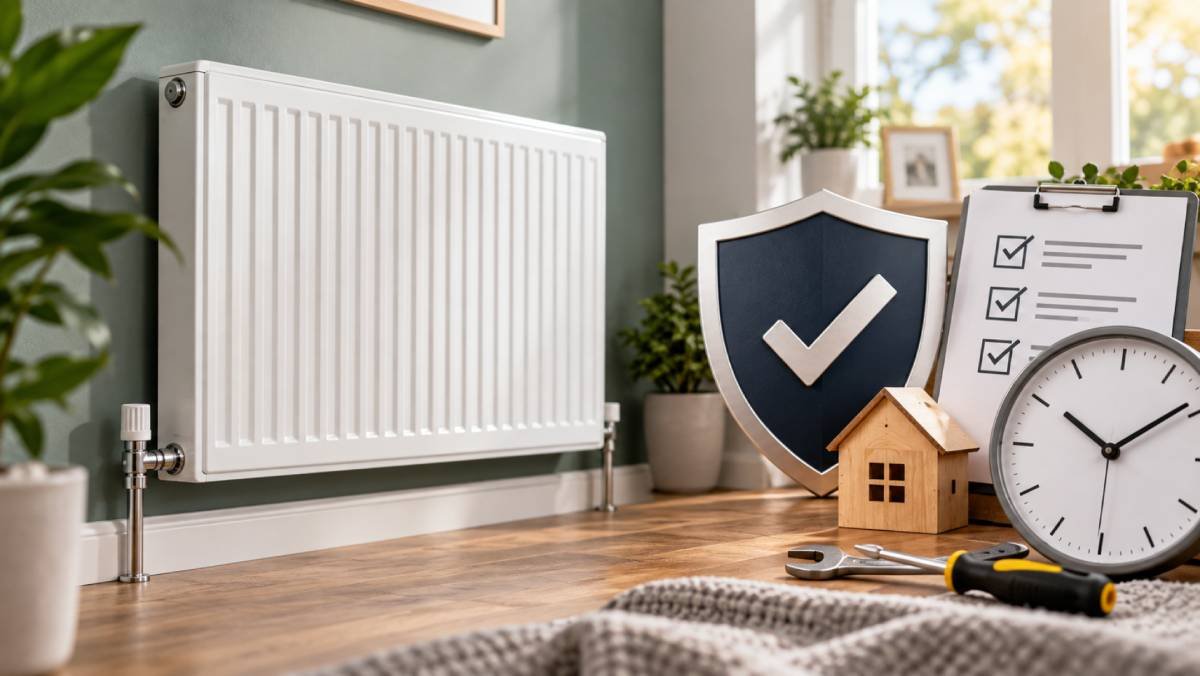
A good radiator can serve a home for many years, but lifespan depends on build quality, installation and care. Warranty length can offer useful reassurance, yet the small print matters just as much. Understanding what is covered helps homeowners choose confidently, protect their purchase and avoid preventable warranty problems later.
Radiators are built for long-term use, so replacing one should not be a frequent expense. A well-maintained unit can often remain useful for 15 to 20 years, though condition matters more than age alone. When buying a replacement, many homeowners naturally look for radiators with long warranties because extended cover can signal confidence in manufacturing quality. Yet a longer term does not mean every fault will be covered. Installation, system maintenance and the cause of a failure can all affect a claim. Knowing how lifespan and warranty conditions work together makes it easier to choose a radiator with lasting value.
How Long Should a Radiator Last?
There is no single expiry date for a radiator. Age is only one factor. A correctly sized and fitted radiator in a well-maintained heating system may continue working effectively for many years.
Watch performance as well as age. Cold spots, repeated leaks, visible corrosion or slow heating can signal a problem. Some faults may respond to bleeding or system maintenance, while severe corrosion or recurring leaks can make replacement the better choice.
What Extended Warranty Cover Really Means
An extended warranty protects against specified product faults for a stated period. A long term does not mean every problem will be repaired free of charge.
Check what the manufacturer says about defects in materials, manufacture and assembly, then read the exclusions. Damage linked to poor installation, handling or neglected system maintenance may fall outside the cover. Check whether labour is included for the whole term or only at the beginning.
Why Warranty Conditions Matter
Choosing radiators with long warranties can be sensible, but warranty length should be judged alongside product quality and suitability. A longer guarantee has practical value when its terms are clear an+—d the heating system is cared for correctly.
Keep the receipt and installation records. Read the conditions before fitting the radiator. If particular installation or water-treatment standards apply, following them from the start can help protect the product and support a valid claim.
How Care Affects Radiator Life
Good maintenance can support radiator life and prevent avoidable problems. Deal with leaks quickly and seek professional advice when performance changes.
For wet central-heating systems, system water matters too. Correct cleaning, flushing and inhibitor treatment, where required, can help reduce internal corrosion and support reliable heating.
FAQs
Q.1 Can a radiator last longer than its warranty?
Yes. A warranty period is not the radiator’s expected lifespan. It is simply the period during which specified faults may be covered. A properly installed and maintained radiator may keep working well afterwards.
Q.2 Does a long warranty cover rust?
Not always. Cover depends on the cause and the warranty terms. Corrosion linked to poor system maintenance, unsuitable conditions or damaged finishes may be excluded.
Q.3 Should I replace a radiator when the warranty ends?
No. An expired warranty alone is not a reason to replace a working radiator. Consider its heat output, leaks, corrosion and general condition.
Q.4 What should I keep in case I need to claim?
Keep proof of purchase, product details and installation records. They can help confirm when the radiator was bought and how it was fitted.
Conclusion
A radiator is a long-term part of a home heating system, and a well-maintained model can often provide dependable service for 15 to 20 years. Its actual life will depend on installation, system condition, water quality and how quickly faults are addressed.
Warranty length deserves attention, but the conditions deserve equal care. Check exactly which faults are covered, what exclusions apply and whether labour remains included throughout the term. Keep receipts and fitting records, and follow the manufacturer’s instructions from the day the radiator is installed.
Most importantly, do not assume that an old radiator needs replacing simply because of its age or that a long guarantee covers every failure. Judge performance, condition and warranty wording together. For homeowners comparing radiators with long warranties, clear terms, suitable sizing and proper ongoing care are what turn extended cover into meaningful long-term reassurance.