

Table of Contents
- Check for Injuries
- Move to Safety
- Call the Police
- Exchange Information
- Document the Scene
- Notify Your Insurance Company
- Seek Medical Attention
- Consult a Professional
Experiencing a car accident is often a chaotic and stressful event that can leave you feeling uncertain about what to do next. Taking the right actions immediately after a collision is crucial for ensuring everyone’s safety and protecting your legal rights. Whether you’re dealing with minor fender benders or more serious collisions, understanding the steps to follow can bring some much-needed clarity in a difficult moment. If you are unsure where to turn, a Norwood car accident lawyer can be a vital resource to help you manage the legal and insurance implications after an accident.
Remaining calm and organized after a crash is important, not just for your personal well-being but also for gathering the information needed for claims and investigations. Following a reliable process protects your health, secures your interests, and helps avoid complications down the line. This guide will walk you through each critical step, from immediately checking for injuries to consulting with professionals about your recovery and rights.
By being thorough and methodical, you will be well-positioned to handle the days and weeks that follow the accident. Documenting everything at the scene and following up with both law enforcement and your insurer can make a significant difference in any claims process, and it can help ensure you get the support you need.
For additional insight on what to expect during the claims process, you can refer to this helpful guide on Consumer Reports about managing post-accident procedures.
Check for Injuries
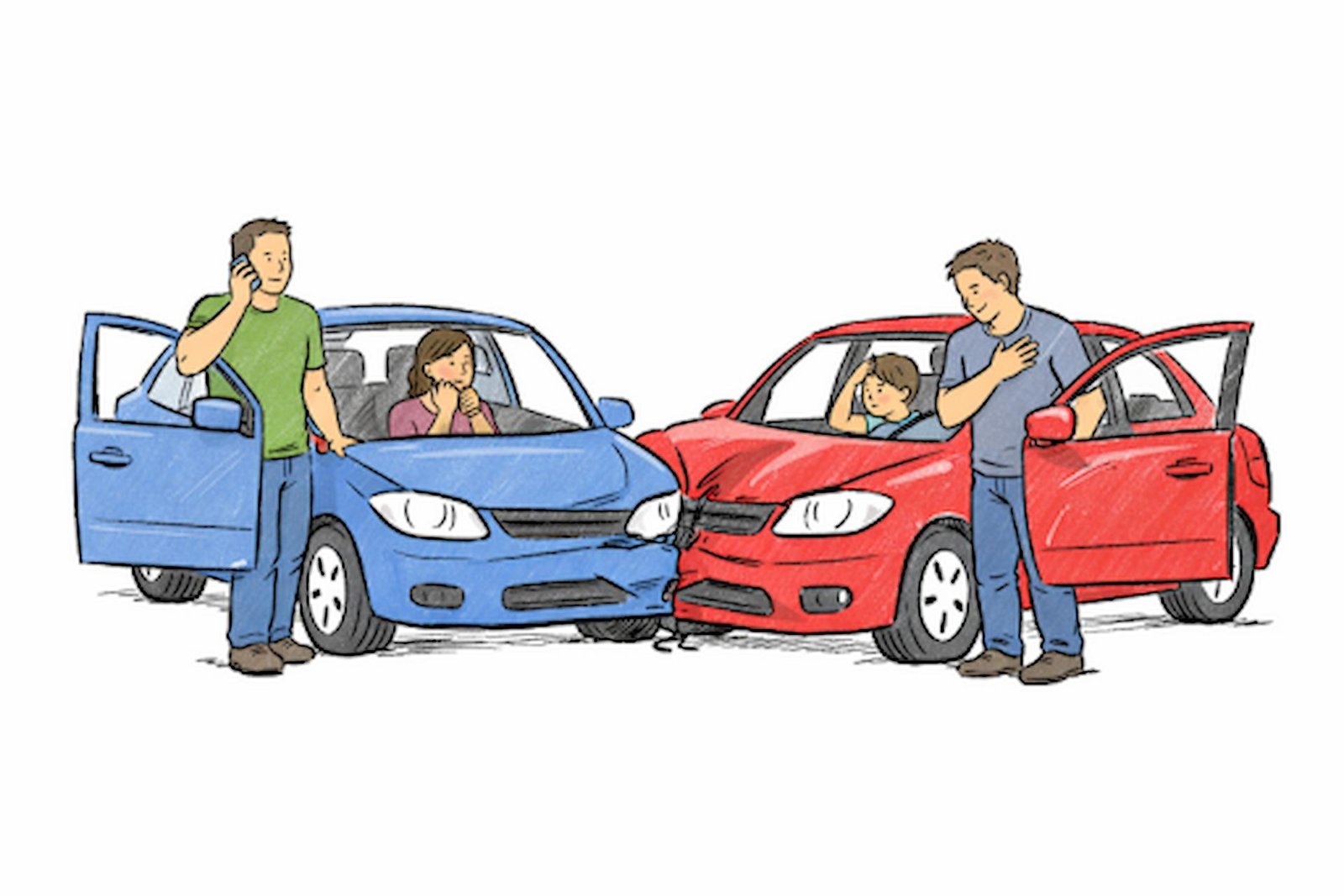
Your immediate concern after impact should be to check yourself and any passengers for injuries. Look for obvious trauma and keep in mind that some injuries may not be obvious right away. If you or anyone else appears hurt, dial 911 promptly. Emergency responders are best suited to assess and treat injuries at the scene, and getting medical documentation early is essential for both your health and any legal or insurance matters that might follow.
Move to Safety
After an accident, move your vehicle to a safe location out of the flow of traffic if you can do so safely. Use your hazard lights to make your vehicle visible to other drivers. If the vehicle cannot be moved or if it is unsafe to do so, make sure everyone exits to a safe area away from the road. Preventing further incidents is a top priority in the aftermath of a collision.
Even if the damage seems minor, it’s essential to prioritize your safety and that of your passengers. Sometimes, in busy areas or on highways, accidents can result in secondary collisions. Staying alert and being aware of your environment can help you avoid additional harm as you deal with the immediate aftermath. Take a moment to collect yourself, breathe deeply, and assess whether you’re experiencing shock, which might cloud your judgment. It can also help to instruct passengers and other involved parties to stay at a safe distance until authorities arrive, especially if there’s risk from leaking fluids, fire, or downed power lines.
Call the Police
Even in minor accidents, it is wise to call law enforcement to the scene. Police officers can create an official accident report, which can serve as an essential record during the insurance claims process. Stick to the facts when explaining the situation, avoid assigning blame, and supply officers with the requested information. The police report is often requested by insurance companies as part of their investigation.
Exchange Information
After checking everyone’s well-being and calling for help, the next step is to exchange vital information with the other driver(s). This should include names, phone numbers, driver’s license numbers, license plates, and insurance policy details. Also record vehicle makes, models, and colors. If there are witnesses, getting their contact information can be beneficial for supporting your account of the events.
Sometimes, emotions can run high after a collision. While exchanging information, try to stay as calm and respectful as possible. Avoid confrontations or arguing with other involved parties. This is also not the time to admit fault, as liability can be legally complex and should be determined by the authorities and insurance investigators. Maintain clear records, and if someone is uncooperative, let the police know so they can get the information you need for your records later.
Document the Scene
Take clear photographs and videos of all vehicles from multiple angles to capture the extent of damage. Include close-ups of any visible injuries, the vehicle positions, skid marks, road conditions, and any relevant road signs or traffic signals. All of this documentation may help expedite insurance claims and provide strong evidence should there be any dispute about the fault or the severity of the accident.
If possible, jot down your own recollection of how the accident unfolded while it’s still fresh in your memory. Even seemingly minor details, like weather conditions or the sequence of events just before impact, can be useful later. Make a note of the time and date, and if there are surveillance cameras (like at intersections or businesses nearby), point this out to responding officers, as footage can sometimes be requested later if needed.
Notify Your Insurance Company
Contact your insurer as soon as you are able, ideally within 24 hours of the collision. Provide them with all of the relevant details and documentation you collected at the scene, including police reports, photos, and contact information for the other involved parties. Fast and honest communication will help ensure the claim review process is as smooth and efficient as possible. For more guidance on dealing with insurance after an accident, you can read this detailed FAQ from NerdWallet.
Seek Medical Attention
Even if you feel fine in the immediate aftermath, consult a doctor as soon as possible. Certain injuries, such as whiplash or internal trauma, may not show symptoms until days later. An early examination will not only ensure your well-being but also establish clear medical records that may be vital for your insurance claim or any legal proceedings.
If your injuries require ongoing treatment, follow your provider’s recommendations closely and keep all follow-up appointments. Save receipts and records related to medical care, prescriptions, and any necessary rehabilitation. This documentation can be crucial in ensuring full compensation for your expenses and demonstrating the true impact of the collision on your life and health. Don’t delay treatment, thinking symptoms will resolve. Timely care is a sign of diligence and helps establish the accident as the source of any lingering injuries.
Consult a Professional
Handling the legal and insurance aspects after an accident can be complex. Consulting an experienced professional, such as an attorney who specializes in car accidents, can be invaluable. They can help you fully understand your rights, deal with complicated paperwork, and represent your interests in any disputes. This step may be particularly important if injuries are involved or if liability is contested.
By approaching the aftermath of an accident with care, attention, and the right support, you can minimize stress and maximize the chances of a favorable outcome, both medically and financially.