Water damage rarely kicks down the front door. It sneaks in through tiny cracks, loose fittings, and pipes you never think about until your floor starts warping or your bill spikes for no obvious reason. If you live in a place like Plano, where hot summers and shifting soil can stress plumbing, small leaks can turn expensive fast. Catching them early saves money, frustration, and a lot of drywall dust.
Watch for Clues Your House Is Already Giving You
Your home usually drops hints before a leak becomes a full-blown mess. You just need to know what counts as a clue instead of a random annoyance.
Keep an eye out for:
– Water stains on ceilings or walls
– Peeling paint or bubbling drywall
– A musty smell that won’t go away
– Warped flooring or soft spots underfoot
– Mold showing up in corners or around baseboards
– A sudden jump in your water bill
One weird stain might be old damage. A stain that grows, darkens, or comes back after repainting is another story. The same goes for odors. That “damp towel” smell in a bathroom or laundry area often points to moisture hiding where air can’t circulate.
If your house feels normal but your utility bill suddenly looks like it trained for a marathon, start investigating.
Check Your Water Meter Like a Detective, Not a Plumber
You don’t need a toolbox the size of a small car to do a basic leak check. Your water meter can tell you a lot in a few minutes.
First, turn off everything that uses water:
– Faucets
– Dishwasher
– Washing machine
– Ice maker
– Sprinkler system
Then look at the meter and note the reading. Wait 30 minutes to an hour without using any water. Check it again. If the number changed, water is moving somewhere it shouldn’t.
Some meters have a small flow indicator that spins even when usage is tiny. That little dial is basically a tattletale for hidden leaks.
This test won’t tell you exactly where the problem is, but it helps confirm whether the issue is real. That matters before you start opening walls or assuming the city made a billing error.
Pay Attention to the Yard, Foundation, and Exterior Walls
Leaks don’t always stay indoors. Sometimes the first signs show up outside, especially when an underground line has issues.
Look for:
– Patches of grass that are greener than the rest
– Soggy ground during dry weather
– Cracks in the foundation
– Water pooling near the house
– Erosion around outdoor faucets or hose bibs
In North Texas, expansive clay soil can shift as moisture levels change. That movement puts stress on plumbing lines under slabs and around foundations. A hidden exterior leak can slowly affect soil stability, which adds another layer of trouble.
If you notice recurring wet spots and no recent rain, it may be time to look into professional leak detection services rather than guessing and hoping for the best. Underground plumbing has a talent for staying invisible until the repair bill becomes very visible.
Know the Difference Between Condensation and an Actual Leak
Not every drop of water means disaster. Sometimes pipes sweat, especially in humid conditions. Air conditioners can also create moisture that looks suspicious but comes from normal operation.
A few ways to tell them apart:
– Condensation usually forms on cold surfaces evenly
– Leaks often create localized drips, stains, or puddles
– Condensation may improve with insulation or lower humidity
– Leaks tend to persist regardless of weather indoors
For example, a toilet tank may feel wet on the outside during a humid afternoon. That can be condensation. A ring of water that keeps forming at the toilet base points to a different issue entirely
You’re looking for patterns. Random surface moisture is one thing. Repeated damp spots in the same place, especially with staining or odor, deserve a closer look.
Use Simple At-Home Tests Before You Panic
A few low-tech checks can help you narrow down the source of a leak before you call anyone
Try these:
– Put a few drops of food coloring in your toilet tank and wait 15 minutes; color in the bowl means the flapper is leaking
– Check under sinks with a dry paper towel around supply lines and drain joints
– Inspect appliance hoses for bulges, rust, or tiny drips
– Run your hand along exposed pipes to feel for moisture
– Look behind the washing machine for slow seepage
Your dishwasher and refrigerator deserve attention too. A tiny line feeding an ice maker can leak for weeks before anyone notices.
These checks won’t replace specialized equipment, though they can reveal whether the problem is basic wear and tear or something hiding deeper in the system.
Understand When a Small Leak Stops Being Small
A slow drip sounds harmless until you factor in time, materials, and where the water is landing. Leaks don’t need drama to cause serious damage.
Here’s what a “small” leak can lead to:
– Mold growth behind walls
– Rot in wood framing or subfloors
– Damaged insulation
– Electrical risk near outlets or fixtures
– Stained ceilings and compromised drywall
A pinhole leak inside a wall may only release a little water each day. Over months, that can ruin flooring, feed mold colonies, and weaken nearby materials. By the time you see visible damage, the leak may have been active long enough to create a larger repair scope.
That’s the frustrating part. Water is patient. It keeps working while you’re busy doing literally anything else.
Know When You Need Professional Help
Some leak issues are obvious enough for a DIY fix. Tightening a loose P-trap under a bathroom sink is manageable. A suspected slab leak or hidden pipe break is a different league.
Call a professional if you notice:
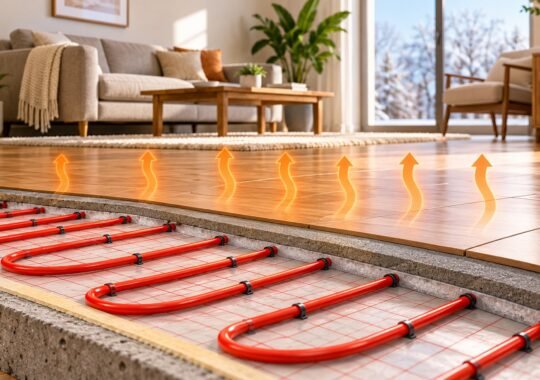
– Warm spots on the floor
– Low water pressure throughout the house
– The sound of running water when everything is off
– Repeated mold or staining with no visible source
– Cracks paired with moisture issues
Modern leak specialists may use acoustic tools, thermal imaging, moisture mapping, and pressure testing to find the source without tearing apart half your house on a hunch. That matters because blind demolition gets expensive fast.
The goal isn’t just finding water. It’s finding the exact point where water is escaping so repairs stay targeted.
Build Leak Prevention Into Your Regular Home Routine
You don’t need to become obsessed with plumbing, but a little routine attention goes a long way.
Make these habits part of your checklist:
– Review your water bill each month
– Replace old washing machine hoses with braided versions
– Check caulking around tubs and showers
– Clean gutters so water drains away from the house
– Insulate exposed pipes where needed
– Know where your main water shutoff valve is
It also helps to schedule periodic plumbing inspections in older homes. Pipes, valves, and connectors wear out slowly, which makes problems easy to miss.
The smartest approach is boring in the best possible way: catch issues early, fix them cleanly, and avoid the kind of water damage that turns a weekend into a renovation storyline nobody asked for.
Catching Problems Early Saves More Than Money
When you spot a leak early, you’re not only protecting your budget. You’re protecting your walls, floors, indoor air quality, and daily routine. Water damage has a way of spreading from one small issue into three bigger ones.
Start with what you can observe: smells, stains, bills, meter movement, and outdoor changes. Use simple tests at home, then bring in expert help when the signs point to hidden plumbing trouble.
Your house doesn’t need constant suspicion, just smart attention. A few minutes of checking now can spare you the joyless combo of emergency repairs, insurance paperwork, and explaining to guests why the ceiling has suddenly become “textured” in a brand-new way.