Sewer system damage is a big problem that can cost a lot to fix, put people’s health at risk, and make daily life very hard. Knowing what causes these damages most of the time can help homeowners avoid them and deal with them effectively when they do happen. This piece looks at six common reasons why sewers get damaged and gives advice on how to fix each one.
Drains that are clogged
Drains that are clogged often lead to damage in the sewer system. When things like hair, grease, food particles, or sanitary products build up in pipes, they can get clogged. These blockages can cause sewer waste to back up into houses, which can lead to toxic waste overflow. To keep drains from getting clogged, they need to be serviced regularly. People who own their own homes should use drain covers to catch trash and not pour grease down the sink, as it can solidify and cause big problems. If you think there is a blockage, hiring sewage cleanup and removal services can help. Professionals use cutting-edge methods and equipment to keep pipes clear, which lowers the chance of future blockages or leaks. Restoration service providers help lower the harm and health risks that come with sewage in blogs. Quick action greatly lowers the possible costs of damage and makes sure that contaminants, trash, and damaged materials are thrown away safely.
Root Invasion of Trees
Tree roots getting into sewer lines is another common reason for damage. Trees need water, and their roots can get into sewer lines and cause cracks and blockages. Once roots get into pipes, they can block them up in a big way, making it impossible for wastewater to move normally. When gardening near sewer lines, be careful about which plants you choose to keep tree roots from getting into the pipes. Trees should be kept away from sewer lines and homeowners should look for signs that roots are getting in. Regular checks by professionals with video cameras can find new roots growing quickly, so action can be taken before they do a lot of damage.
Pipes that are old or breaking down
Damage to sewer lines can also be caused by pipes that are old and breaking down. Pipes can rust, crack, or break over time because of age and the surroundings. These problems could lead to leaks, which is bad for your health. Old pipes made of clay, cast iron, or lead are especially likely to leak and need to be replaced right away. Homeowners should be aware of the materials that are used in their plumbing and think about getting their homes inspected regularly as they get older. If you take care of problems like rust spots or damp spots right away, they won’t turn into expensive sewerage disasters later on. Using more current materials, like PVC or HDPE, can make the solution last longer and be less likely to break.
Getting your system back up and running in this way is the best way to protect your home from environmental dangers and unexpected damage to the structure. Property owners should talk to their HDPE pipe supplier about finding materials that will last and won’t rust that are designed to work with the conditions of their place. If you choose high-quality pipes, your underground plumbing will last for decades even if the dirt is very hard and tree roots are very strong. Putting this money away ahead of time gives you complete peace of mind and keeps your wastewater management running smoothly.
A lot of rain or flooding
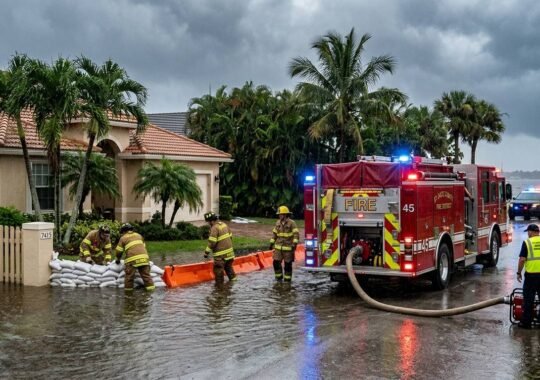
When it rains or floods a lot, sewer systems can’t handle it and back up. Too much water in the ground can push trash back into homes through sewer lines when the ground is wet. This problem happens a lot in low-lying areas where water doesn’t drain well. Homeowners should make sure that water drains away from their property so that damage from bad weather is limited. Putting in sump pumps can help you deal with extra water and keep it away from the floor. Water damage can be avoided by raising outdoor utility systems. Putting up barriers or drainage systems in areas that are likely to flood can also help protect against flooding and the problems that come with it.
Overflows of Sewage
Overflows in sewers can happen when pipes break or when systems are too full. These major failures can be caused by old infrastructure, poor upkeep, and extreme weather events. Untreated sewage can leak into homes or the environment during an overflow, putting people’s health at risk and doing a lot of damage. To stop sewer overflows, you need to act right away. Homeowners should get in touch with the local government and sewer cleanup experts to get the job done right. By joining community action groups that focus on local sewer care, people can also push for better infrastructure in their area to help stop future overflows.
Getting rid of trash the wrong way
If you flush nonbiodegradable items or extra food down the toilet instead of putting them in the trash, you could damage the sewer line. Things like cooking oils, wet wipes, and feminine hygiene items can really clog things up. To escape these problems, homeowners should teach their families the right way to get rid of trash. Making people more aware can greatly lower the chances of blockages that cause water damage. Also, homeowners should think about putting trash and recycling bins in easy-to-reach places to encourage good trash and recycling habits among family members and protect the water system.
For a safe and clean home setting, it’s important to keep sewer systems in good shape. Damage to these systems is very dangerous, but homeowners can protect their home’s pipes by learning what causes it. To keep your property safe from sewerage problems, you need to know how to spot potential problems, do regular maintenance, and know when to call for help.