A home’s roof is one of its most important protective features. It shields the structure from rain, wind, sunlight, snow, and changing temperatures while helping maintain a comfortable interior. Yet because roofing materials are constantly exposed to the elements, they eventually wear down and require attention.
One of the most common questions homeowners face is whether an existing roof needs a simple repair or a complete replacement. Making that decision at the right time can help prevent more extensive damage and avoid unnecessary expenses. Understanding the warning signs can make it easier to determine when professional evaluation is appropriate.
Start With the Age of the Roof
Age is one of the first factors to consider when evaluating a roofing system. Different materials have different expected service lives, and the actual lifespan can vary depending on installation quality, weather exposure, ventilation, and maintenance.
An older roof does not automatically mean that it needs to be replaced. However, once a roofing system approaches the later part of its expected lifespan, regular inspections become increasingly important.
Homeowners who are unsure about the age of their roof can check previous property records, contractor invoices, or documents from the home’s purchase. A professional roofer may also be able to estimate the approximate age based on the materials and their current condition.
Look for Damaged or Missing Shingles
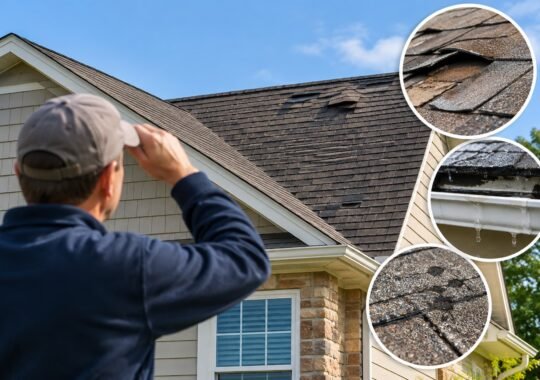
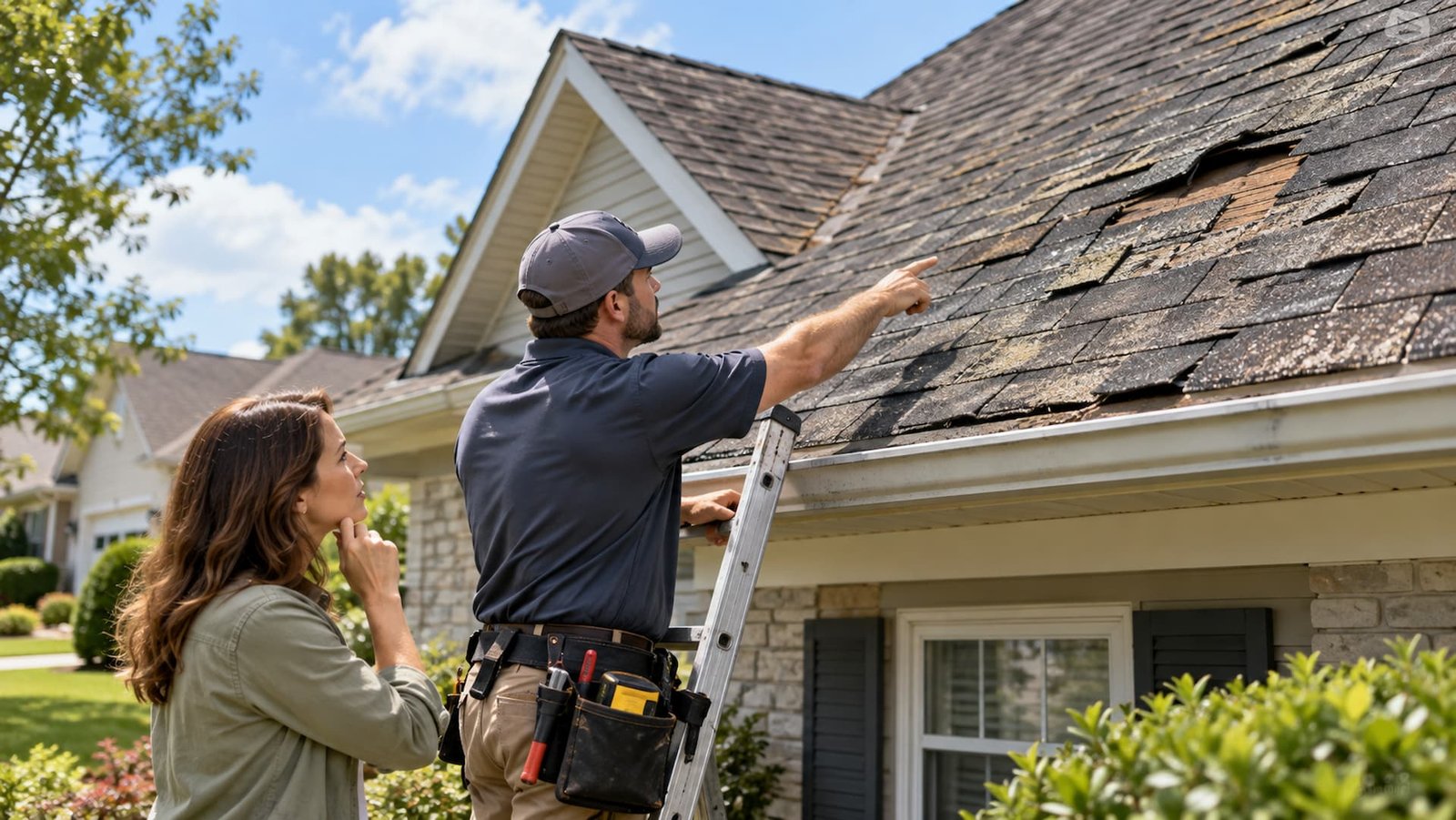
Visible shingle damage is another important warning sign. Shingles that are cracked, curling, blistered, or missing can leave portions of the roof vulnerable to moisture and weather.
Asphalt shingles gradually lose their protective granules as they age. Some granules naturally wash away over time, but large amounts collecting in gutters can indicate accelerated deterioration.
It is also worth looking for areas where shingles appear uneven or have lifted away from the roof surface. These issues may result from age, strong winds, improper installation, or other environmental factors.
Rather than climbing onto the roof to inspect these problems yourself, consider having a qualified professional perform the inspection, particularly if the roof is steep or difficult to access.
Don’t Ignore Water Damage
Water intrusion is one of the clearest signs that a roofing system needs attention. Brown or yellow stains on ceilings, damp insulation, peeling paint, and moisture around attic areas may indicate that water is getting through the roof.
Importantly, the location of an interior water stain does not necessarily correspond with the location of the roof leak. Water can travel along the underside of the roof deck or through structural components before appearing inside the house.
Small leaks should therefore not be dismissed as minor inconveniences. Addressing them early can reduce the risk of damage to insulation, drywall, framing, and other parts of the property.
Inspect the Attic
The attic can provide valuable clues about the condition of a roof. During an inspection, look for signs such as water stains, damp insulation, visible daylight, or excessive moisture.
Ventilation deserves attention as well. Proper attic ventilation helps regulate temperature and moisture levels. When ventilation is inadequate, heat and moisture can accumulate beneath the roofing system, potentially contributing to premature deterioration.
A professional inspection can evaluate both the visible roofing materials and the components underneath them, giving homeowners a more complete understanding of the roof’s condition.
Watch for Sagging
A healthy roof should generally maintain consistent lines across its surface. Noticeable dips, depressions, or sagging sections can indicate problems beneath the shingles.
In some cases, sagging may be associated with moisture-damaged decking or weakened structural components. Other causes can include inadequate support or excessive loads.
This type of problem deserves prompt professional attention. Surface-level repairs may not address an underlying structural issue, so an inspection should determine what is causing the uneven appearance before any work begins.
Understand When Repairs Make Sense
Roof repairs can be an effective solution when damage is limited to a small, clearly defined area. For example, a few missing shingles following a storm may be repairable without replacing the entire roofing system.
However, repeated repairs can become less practical when damage is widespread or the roof is already near the end of its useful life. Multiple leaks, extensive shingle deterioration, and recurring maintenance problems may indicate that a larger project should be considered.
The decision should be based on the overall condition of the roof rather than a single damaged area.
Consider the Long-Term Cost
The initial cost of roof replacement can make homeowners hesitant to move forward. However, delaying necessary work can sometimes create additional expenses.
A compromised roofing system may allow moisture to reach the decking and structural components. Over time, this can contribute to wood deterioration, damaged insulation, interior staining, and other problems.
This does not mean that every roofing issue requires immediate replacement. Instead, homeowners should compare the condition of the existing system with the expected cost and frequency of future repairs.
A professional assessment can help clarify whether continued maintenance is reasonable or whether investing in a new roof makes more sense over the long term.
Choosing Materials for a New Roof
When replacement becomes necessary, homeowners have several material options to consider. Asphalt shingles are widely used because they provide a practical combination of cost, appearance, and performance. Metal roofing offers durability and a different aesthetic, while tile and slate can provide long service lives when the home’s structure is appropriate for those materials.
Climate should also influence the decision. Roofing materials need to withstand the conditions they will regularly encounter, including strong sunlight, heavy rainfall, high winds, freezing temperatures, or significant temperature changes.
Homeowners should consider durability, maintenance requirements, appearance, installation requirements, and overall budget rather than selecting a material based solely on its initial price.
The Importance of Professional Installation
The quality of installation can have a major effect on how a new roof performs. Even high-quality materials may fail prematurely if flashing, ventilation, underlayment, fastening, or drainage are handled incorrectly.
A qualified roofing contractor can evaluate the existing system, explain available options, identify potential underlying issues, and provide a detailed scope of work.
Before hiring a contractor, homeowners should ask about relevant experience, materials, warranties, project timelines, and what is included in the quoted price. Clear communication before work begins can help prevent misunderstandings later.
Plan Before Problems Become Emergencies
Waiting until a major leak develops is rarely the ideal way to approach roofing maintenance. Regular inspections can help identify deterioration before it turns into a serious problem.
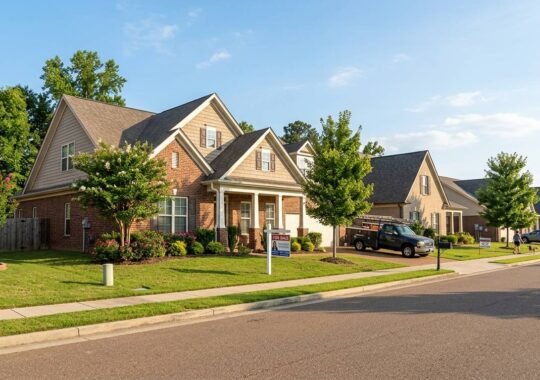
For homeowners researching professional roof replacement for an aging residential home, timing is an important consideration. A planned project generally gives homeowners more opportunity to compare materials, contractors, schedules, and costs rather than making decisions under pressure after significant storm or water damage.
Seasonal inspections can be particularly useful after severe weather. Strong winds, hail, heavy rain, and falling branches can cause damage that is not immediately obvious from ground level.
Making an Informed Roofing Decision
There is no single sign that determines whether a roof needs to be replaced. Instead, homeowners should consider several factors together, including the roof’s age, visible material deterioration, leaks, attic conditions, structural concerns, repair history, and expected future maintenance.
A roof in relatively good condition may continue providing reliable protection with proper maintenance. On the other hand, an aging system with widespread deterioration may require more extensive work.
The goal is not simply to replace a roof as soon as possible. It is to understand its condition and take appropriate action before minor problems develop into larger ones.
With regular inspections, timely maintenance, and professional guidance when necessary, homeowners can protect their property and make better-informed decisions about one of the most important components of their home.